

I still chuckle when recalling the moment a client was adamant that a 30 x 30 square table could seat eight people. Initially, I was tempted to agree, but then I utilized a layout visualization tool that demonstrated the truths of geometry. That experience enlightened me about proportions far more effectively than any traditional sketchbook could.
Limited spaces challenge your creativity. In this article, I will provide five actionable ideas for utilizing 30 x 30 square dining room tables, incorporating insights from genuine projects, budgeting advice, and common challenges to anticipate.
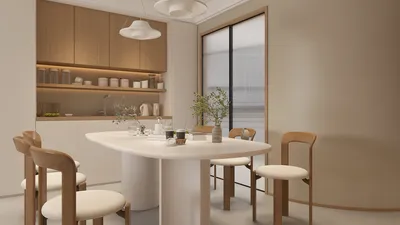
1. Pedestal Base for Enhanced Legroom
I am a fan of using a pedestal base for a 30 x 30 table since it optimizes knee space and allows for chairs or a bench to be tucked neatly underneath. The benefits include increased comfort and a sleeker appearance; however, a stable, well-balanced pedestal is essential to prevent any wobbling.
Tip: Choose a weighted metal or a central wooden column for frequent use — this small investment can save you significant troubles in the long run.
save pin
2. Create a Corner Banquette to Expand Seating
In compact rooms, I frequently design a corner banquette that faces the wall opposite the 30 x 30 table. It offers a snug atmosphere and comfortably seats three individuals better than three individual chairs would.
Banquettes cleverly conceal storage and optimize space, but keep in mind they tend to be more permanent, so consider this when planning future layout flexibility and budget.
save pin
3. Replace Chairs with a Bench or Stools
Using benches or narrow stools with a 30 x 30 table is my preferred method for adaptability: benches can slide under the table when not needed, and stools are easily stackable. This approach is particularly beneficial for kitchens that incorporate dining areas, as it maintains open sightlines and smooth traffic flow. You could even strategically design a compact kitchen around this setup to enhance functionality.
Be cautious: while benches may feel more casual, they might require cushions for comfort; they are perfect for family-oriented homes and limited floor plans.
save pin
4. Choose Light, Reflective Surfaces to Enhance Perception of Space
In one studio project, I selected a light wood 30 x 30 table along with a mirrored panel adjacent to it, complemented by overhead pendant lighting — it gave the illusion of a much larger space. Utilizing lighter finishes and reflective features can amplify your area without altering its physical dimensions.
This is an affordable illusion technique, yet mirrors require precise positioning to avoid awkward reflections, such as toasters or messy counters.
save pin
5. Embrace Multifunctionality—Desk, Dining, and Game Table
My top favorite use for a 30 x 30 table is its versatility: it can serve as a dining table in the evening, a workspace during the day, and a game table over the weekends. Adding a small rolling cart nearby for supplies turns it into a miniature command center.
For a comprehensive view of this arrangement, I often encourage clients to visualize it in 3D using tools like Homestyler before making a purchase — it ultimately prevents returns and regrets. Keep in mind, however, that multifunctional furniture requires careful storage planning to avoid clutter.
save pin
FAQ
Q1: Can a 30 x 30 table accommodate four people?
Generally, I say yes for informal dining — two individuals facing two is comfortable, although elbows might touch during busier meals. For longer dinners, consider using benches or movable extra chairs.
Q2: What clearance space is advisable around a 30 x 30 table?
The standard rule I follow is at least 36 inches (about 90 cm) between the table edge and the wall or any obstacles for comfortable seating and ease of movement behind chairs.
Q3: Which is better for small areas: a square or round 30 x 30 table?
Square tables fit neatly into corners and provide direct sightlines; meanwhile, round tables can facilitate better flow in exceptionally tight spaces. My choice depends on the room's shape and the traffic patterns.
Q4: Is a 30 x 30 table suitable for a kitchen nook?
Definitely — a 30 x 30 table works perfectly in nooks. Pair it with a bench and a slim chair to optimize seating while maintaining a clear aisle.
Q5: Which materials are most durable for small dining tables?
I advocate for solid wood or metal bases topped with a durable surface like treated oak or laminate for high-traffic homes. Opting for lighter finishes helps the table appear less bulky in the room.
Q6: Any budget-friendly tips for purchasing a 30 x 30 table?
Seek out secondhand frames that can be refinished or consider buying a simple tabletop and pairing it with custom legs — you can achieve a unique look for less than a designer set.
Q7: Are there official guidelines for dining clearances?
Indeed — organizations like the National Kitchen & Bath Association (NKBA) provide recommended clearance guidelines; you can refer to NKBA standards at https://www.nkba.org for specific measurements and planning recommendations.
Q8: How can I style a 30 x 30 table to give it an upscale appearance?
Keep decor minimal: a single centerpiece, layered placemats, and a pendant light proportional to the table size will elevate the design. Incorporating a rug that fits under all the chairs also anchors the arrangement and enhances its aesthetics.
save pin
Homestyler is your go-to online home design platform, perfect for transforming your ideas into reality. With its user-friendly design tool, stunning 3D renderings, and a wealth of DIY video tutorials, you can easily create your dream space, regardless of your experience level!
立即免费设计
































