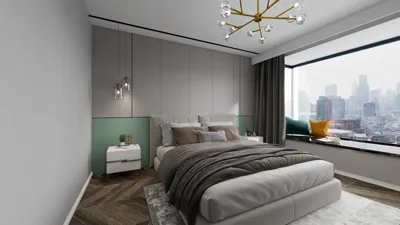


A king-sized bed can serve as the centerpiece of a tranquil retreat, even within the confines of a small bedroom. The crucial factor is to strategically manage circulation, lighting, and storage to ensure that the bed appears spacious without overwhelming the area. I usually begin by outlining clearances and sightlines to minimize visual clutter and maintain equilibrium around the bed.
Effective space planning is reliant on precise measurements. According to the WELL Building Standard, a minimum of 30 inches (760 mm) of unobstructed walking space is essential for comfortable movement, particularly on at least one side of a king bed in tight spaces. Additionally, lighting plays a significant role; guidelines from IES suggest achieving around 300–500 lux at the bedside for comfortable reading, which helps to alleviate eye strain. I rely on these standards to create a functional and serene room layout.
The psychology of color is equally significant as space dimensions. Studies in color psychology indicate that cool, muted shades can evoke a sense of calm and spaciousness, while vibrant colors may contribute to visual clutter. My projects often incorporate soft gray-blue or gentle off-white tones on the walls to provide a grounding effect for the bed.
Designating the Bed Wall and Managing Circulation
Select one primary wall for the bed and ensure that there is a ~30 inch pathway on at least one side. In narrow rooms, centering the bed and using symmetrical, compact nightstands can be effective. For extremely tight spaces, a single broader nightstand paired with a wall-mounted shelf can maintain circulation while offering essential surface area. To streamline layout experiments, utilizing a room layout tool like Homestyler can quickly assess clearances and furniture dimensions in just a few minutes:
room layout tool
Opt for a Slim Frame and Low Profile
A platform bed with a narrow border and low profile contributes to a lighter visual appearance. Avoid cumbersome footboards, oversized frame elements, and thick box springs. I prefer simple legs that elevate the bed slightly, creating a light under-bed shadow that accommodates low storage bins. Ensure the height is matched with the ceiling to prevent tall headboards from making the room feel cramped.
Headboard Size in Relation to the Wall
The headboard should be adequately wide to frame the bed but not so towering that it overtakes the room. In smaller spaces, I generally suggest a headboard height between 36–48 inches, upholstered in soft fabrics or made of wood with a horizontal grain. Low ceilings benefit from horizontal headboards or wall-mounted panels that convey the presence of a king bed while avoiding a dominating effect.
Nightstands: Choose Narrow, Floating, or Integrated Designs
Replace bulky nightstands with more slender alternatives (12–16 inches) or opt for wall-mounted shelves. Floating nightstands enhance the perception of space, allowing the floor to be more visible. If drawers are necessary, a single integrated unit can replace two large tables, while wall-mounted sconces provide indispensable lighting and free up surface area.
Layered Lighting for Compact Spaces
Balanced lighting creates a comfortable atmosphere and enhances spatial perception. I implement three lighting layers: ambient (a dimmable overhead fixture), task (bedside sconces with 300–500 lux), and accent (a soft glow behind the headboard). Aim for color temperatures around 2700K to 3000K for a cozy ambiance, utilizing diffusers or shades to manage glare. If possible, include multiple circuits to craft a softer scene during the evening.
Appropriate Color, Texture, and Visual Harmony
Adopt a limited color scheme—choose two main colors and one accent shade. Light wall colors with low saturation lessen visual strain; the bed can introduce texture through a quilted cover or linen materials. Steer clear of busy patterns near the bed; they can constrict the line of sight. A rug extending just beyond the dimensions of the bed (e.g., 8x10 for a king bed in a small room) helps to stabilize the overall design and muffles sound, especially on hard flooring.
Smart Storage Solutions Without Bulk
Utilize vertical space: shallow storage cabinets or wardrobes with sliding doors can preserve floor area clear. Under-bed drawers or pull-out bins can replace the need for a dresser. If a dresser is necessary, choosing a narrower option (12–16 inches) and wall-mounting the television prevents visual competition. Employ wall-mounted rails and hooks to keep daily essentials in check without encroaching on floor space.
Incorporating Mirrors and Glass for Depth
Positioning a mirror across from a window can enhance natural light and create an illusion of depth. Opt for slender frames and avoid mirrored surfaces directly facing the bed if reflections prove distracting at night. Frosted glass doors on wardrobes can keep the area feeling light and airy while concealing clutter.
Ensuring Acoustic Comfort in Smaller Spaces
Soft furnishings—such as area rugs, padded headboards, and full-length curtains—absorb sound and contribute to a peaceful atmosphere. For bedrooms in high-traffic areas or near noisy systems, using sealants on doors and incorporating fabric wall panels can enhance the quality of sleep. It's advisable to position any mechanical noise away from the head of the bed whenever feasible.
Ergonomic Considerations and Human Factors
The height of the bed should facilitate a comfortable knee position (approximately 90 degrees) when seated, promoting ease when getting in and out. Ensure light switches and outlets are easily accessible from both sides of the bed, including a low, inconspicuous outlet for an under-bed lamp. Maintain a clear, safe path from the bed to the bathroom to prevent any tripping hazards—particularly, anchor rugs and trim them to avoid curling.
Window Treatment and Control of Daylight
Blackout liners can greatly enhance sleep quality; pairing them with sheer curtains allows for privacy while softening ambient light during the day. If the window is positioned close to the bed, a simple roller shade can minimize visual clutter. Mount curtain rods close to the ceiling to elongate vertical lines and create an illusion of height.
Considering a California King Bed
In narrow spaces, opting for a California king, which has a slightly reduced width (typically 72 inches compared to the 76 inches of a standard king), can reclaim valuable space while still providing ample length for taller individuals. This slight adjustment can maintain necessary pathways without sacrificing comfort.
Common Layout Strategies I Employ
- Position the bed centrally on the longest uninterrupted wall; if windows or doors limit placement, adjust the bed slightly but ensure the headboard aligns visually with a ceiling fixture or rug to restore visual balance.
- Align the bed with the main sightline from the room’s entry, allowing the headboard to serve as a calming focal point, rather than having the footboard obstruct the doorway.
- Keep storage options on the wall opposite or adjacent to the bed to avoid cramped spaces. Use an interior layout planner to test various dresser widths while maintaining the crucial 30-inch clearance.
interior layout planner
Trustworthy References
For guidance on circulation and wellness, I refer to the WELL v2 standards; for light levels, I consult IES guidelines. Regarding color psychology, Verywell Mind’s summaries offer relatable context that aligns with client feedback.
Frequently Asked Questions
I aim to maintain at least one side with a clearance of ~30 inches, in line with WELL v2 walking path recommendations. If you can achieve 24 inches on the second side, utilize wall-mounted lighting and a slim shelf to retain functionality.
I prefer a low-profile platform featuring slim rails and short legs. Hefty footboards and thick frames should be avoided as they occupy floor area and heighten visual density.
Aim for approximately 300–500 lux at the task area, following IES recommendations. Using warm 2700–3000K bulbs along with diffusers can help reduce glare.
Not always necessary. A rich, matte accent behind the headboard can foster a sense of intimacy, while keeping surrounding walls light maintains a perception of width. Limit the use of vibrant patterns close to the bed.
Typically, I recommend an 8x10 rug, placed so the front two-thirds of the bed are situated on it. This arrangement balances acoustics, comfort, and visual appeal without cramping the edges.
Yes, provided they have a narrow profile (12–16 inches) or are floating. In extremely tight layouts, consider using a single wider nightstand alongside a wall-mounted shelf.
Utilizing under-bed drawers, shallow wardrobes with sliding doors, and vertical storage options can be effective. Minimize dresser depth and consolidate storage on one wall to avoid multiple pinch points in tight configurations.
In more narrow settings, a California king can unlock side space due to its decreased width while still extending length for taller sleepers.
Position the bed on the longest uninterrupted wall and ensure a clear passage from the door to the bed. If the window is nearby, opt for low-profile treatments to prevent the bed from feeling cramped.
Arrange a mirror to reflect daylight and extend the sightlines, ideally alongside or opposite to a window. Choose slim frames; avoid direct reflections of the bed if they might be distracting at night.
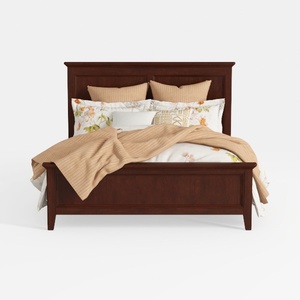

Benzara RYLA Queen Size Bed, Sleigh Panel Headboar

Bedsure Duvet Cover Queen Size - Reversible
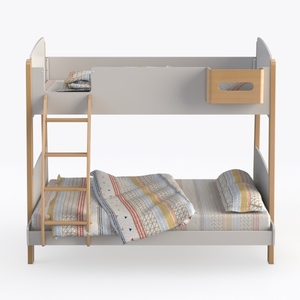
Storkcraft Next Santos Twin-Over-Twin 5-in-1 Conve
Homestyler is your go-to online home design platform, offering an easy-to-use design tool and stunning 3D renderings. Explore a variety of design projects and learn with DIY video tutorials to effortlessly transform your space into your dream home. Start creating today!
Concevez maintenant gratuitement
































