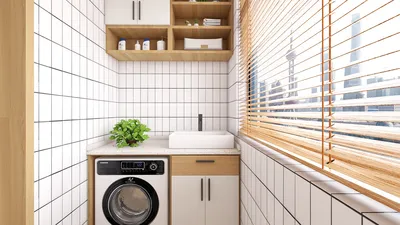


Throughout my career, I've crafted countless compact homes, identifying 20x30 dimensions as an ideal framework for maximizing livable space. This generous 600 square feet necessitates careful attention to circulation, versatile zones, effective light management, and disciplined storage. Research by Steelcase indicates that access to natural light significantly enhances wellbeing and productivity, underscoring the importance of clear sightlines and thoughtful light-oriented design in small living spaces. The WELL v2 standards further advocate for visual comfort—emphasizing the need for balanced lighting and glare reduction—making windows, shading solutions, and layered lighting essential elements rather than mere enhancements. Consider utilizing tools like Homestyler for optimal layout planning.
In compact layouts, the interplay of color and psychology is vital. According to Verywell Mind, lighter shades can create an illusion of spaciousness, while vibrant warm accents infuse energy into a room. To combat clutter, establishing defined drop zones near entrances can aid in maintaining organization. To efficiently test furniture arrangements and pathways, a room layout tool, such as interior layout planner or Homestyler, can effectively simulate necessary clearances and visual lines before making any commitments. Furthermore, insights from WELL v2 provide clear guidance on daylight and visual comfort standards.
Essential Guidelines for 20x30 Homes
• Unwalled Zoning: Implement changes in ceiling heights, lighting variations, rugs, and storage solutions to delineate functions without complete partitioning. In a space of 600 sq ft, every solid boundary must justify its existence.
• Prioritize Circulation: Maintain a clear path of 36–42 inches starting from the entry to the kitchen and living area, minimizing dead-end spaces and door conflicts.
• Optimize Daylight: Orient the longest wall to maximize natural light, and configure furniture to minimize reflective glare. It's critical to layer ambient (2700–3000K), task (3000–3500K), and accent lighting, using dimmers to avoid glare.
• Architectural Storage: Built-in units of 18–24 inches depth serve dual purposes as circulation buffers and sound dampeners.
• Appropriate Furniture Dimensions: Aim for seating depths of 16–18 inches for sofas and 24–25 inches for kitchen counters, ensuring comfort without overcrowding the space.
Design Option A: Open Studio with Convertible Sleeping Space
This design embraces an open-concept philosophy with a sleeping area that can be transformed as needed.
• Entry + Drop Zone (4x6): A bench with concealed shoe storage, hooks for coats, and a mail shelf to keep the area clutter-free.
• Kitchen Wall (10–12 feet): Feature 24-inch deep base cabinets along with 18-inch upper cabinets; incorporating a 24-inch cooktop and convection oven keeps the design sleek, complemented by a single bowl sink. A 60-in island with an 18-inch overhang accommodates two seats.
• Living Core (12x12): Utilize a modular sofa with two armless sections; choose nesting tables instead of a coffee table to maximize flexibility.
• Sliding Partition (8–10 ft): A lightweight partition system transforms a sleeping area when necessary; when closed, it offers sound insulation; opened, it reinstates spaciousness.
• Bath + Laundry (5x8): A pocket door saves on space required for door swing; stackable laundry units are cleverly integrated into a 30-inch closet.
• Storage Spine: Incorporate a 22-inch deep wall cabinet that houses a desk nook, pantry, and media storage.
Acoustic Consideration: Installing cork underlayment and using fabric panels behind the bed can control sound reverberation, enhancing clarity while avoiding a lifeless atmosphere.
Design Option B: One-Bedroom with Galley Kitchen
This option caters to those desiring a separate sleeping area while maintaining a light touch on spatial division.
• Entry Hall (3 feet wide): A direct flow leads to the living area, with a coat closet strategically placed to minimize visual clutter.
• Galley Kitchen (8–9 ft): Opposing runs provide a 36–40 inch clearance to foster comfortable movement. Under-cabinet lighting ensures reduced contrast as per WELL guidelines.
• Living/Dining Area (10x12): A wall-mounted console frees floor space; a round table (36–40 inches) comfortably accommodates four while preserving circulation.
• Bedroom (9x10): A queen-sized bed with 24-inch clearance on either side; a 6-foot wardrobe with sliding doors avoids swing conflicts.
• Bath (5x8) + Utility Nook: Centralize plumbing along one wet wall to optimize costs effectively.
Ergonomics: Ensure seat heights of 17–19 inches and desk heights of 28–30 inches support a neutral posture. A compact sit-stand addition turns the media console into a workspace without clutter.
Design Option C: Corner Kitchen with Flexible Work Bay
For those integrating remote work into their lifestyle, a designated flex bay enhances focus without feelings of isolation.
• L-Kitchen (10–11 ft): Position a corner sink to frame pleasant sightlines to the living room; a 24-inch counter-depth fridge integrates seamlessly.
• Living Area (11x12): A 72-inch sofa paired with a 30-inch accent chair facilitates conversation and viewing without obstructing movement.
• Flex Bay (5x7): A shallow desk featuring task lighting (3000–3500K) and an acoustic pinboard; a blackout roller shade provides visual blocking.
• Bedroom Nook (8x9): A platform bed with built-in drawers eliminates the need for a dresser.
• Bath (5x8): Select a 48-inch shower with clear glass for an illusion of width.
Behavioral Insight: Incorporate a charging drawer near the entrance to facilitate a nightly ‘power-down’ routine, keeping devices off the dining table.
Space Utilization Ratios and Clearances
• Circulation: Strive for 30–35% of the overall space allocated to circulation within open plans, and 25–30% for efficient hallway designs in one-bedroom layouts.
• Kitchen: Maintain a 36–40-inch aisle in a galley layout or 42–48 inches for island designs to accommodate two people comfortably.
• Dining: Allow a 36-inch clearance around chairs, with a minimum of 18–24 inches on constrained sides.
• Bedroom: Ensure a 24-inch clearance on each side of the bed; 30 inches is preferred for smooth bedding adjustments.
• Work Bay: Aim for 30 inches of knee clearance, with a minimum depth of 24 inches, and position task lighting to avoid glare as per WELL standards.
Lighting and Visual Comfort
Proper lighting is crucial for creating a pleasant atmosphere and usability. The WELL v2 framework highlights the importance of balanced illumination and glare control as vital components of visual comfort. My goal is to achieve an ambient light level of 150–300 lux in living areas, 300–500 lux in kitchen and work zones, along with a warm color temperature of 2700–3000K for relaxing evenings. Indirect cove lighting softens ceilings in lower spaces and wall washers provide visual expansion along short walls. To mitigate glare, matte surfaces near glossy items should be utilized for a pleasant sightline experience.
Color Psychology and Material Selections
Choosing lighter neutral backgrounds (soft gray, warm whites) creates a sense of expanded volume; deploy richer colors on smaller surfaces—such as doors or niches—to avoid making the space feel confined. Insights from Verywell Mind suggest blue and green tones foster tranquility, while warmer hues inject energy. Utilize materials that serve multiple purposes: opt for oak or ash veneers for durability and sound dampening, quartz countertops for easy upkeep, and solution-dyed fabrics for their stain-resistant properties. Sustainable choices in small homes—like FSC-certified woods, low-VOC finishes, and energy-efficient LED fixtures—promote eco-friendliness while enhancing indoor air quality.
Acoustic Design and Comfort
Compact living spaces benefit from sound absorption and thoughtful diffusion techniques. Pair a fabric panel behind the sofa, a dense-pile rug, and bookcases with varied spine heights for effective sound diffusion. In bedrooms, a padded headboard and flowing curtains can help with sound absorption without overcrowding the area. Ensuring appliances operate on resilient mounts and selecting quieter ventilation options (look for low sone ratings) will maintain a tranquil environment.
Innovative Storage Solutions: Built-ins and Concealed Spaces
Opt for vertical space solutions: a platform bed elevated 14–16 inches and equipped with drawers takes the place of a bulky dresser; overhead cabinets positioned above doors (12 inches deep) make the most of otherwise underutilized space; a 22-inch deep wall for storage in the hallway can house pantry items, cleaning supplies, and linens. Incorporate perforated metal or slatted wood doors for ventilation where necessary, particularly around electronic devices or laundry areas.
Connection to the Outdoors and Natural Light
In a 20x30 dwelling, having a pocket patio or Juliet balcony provides much-needed psychological relief. Arrange seating to focus on windows rather than screens, with window sills kept at a height of 18–24 inches for an inviting view. Incorporate external shading elements or layering shear with blackout curtains to fulfill WELL’s glare criteria whilst respecting circadian rhythms.
Adaptable Furniture and Transformability
Think creatively with wall beds, drop-leaf tables, and mobile storage cubes that can slide away beneath surfaces. Make furniture selections with rounded edges to enhance circulation and minimize the risk of bumps in constrained areas.
Using Digital Design Tools for Layout Testing
Before finalizing any construction work, test your layout plan using a visualization tool to analyze the spacing for door swings, appliance placement, and lighting focal points; minor errors can lead to major inconveniences in compact designs.
Frequently Asked Questions
For optimal light quality, prioritize east and north exposures for cooler light; add shading to south and west-facing areas, and utilize light shelves or matte finishes to enhance light depth. Layering sheer curtains with blackout coverings effectively handles glare while adhering to WELL’s visual comfort standards.
For small homes, aiming for 36–40 inches works for a galley kitchen; for islands, 42–48 inches prevents traffic jams. Under-cabinet lighting significantly alleviates contrast and visual strain.
Definitely. Allocating 25–30% to circulation space while maintaining a compact 9x10 bedroom design and placing bath utilities along one wet wall can enhance efficiency. Furthermore, sliding doors and built-in storage options support seamless flow.
Go for lighter neutral tones for walls and ceilings, incorporating restrained, saturated accents on smaller design elements. Blues and greens offer relaxation, while warm tones boost vitality without adding visual weight.
To manage sound diffusion, utilize rugs, upholstered furnishings, curtains, and asymmetrical bookcases. Employ cork underlayment and soft headboards to reduce reverberation in the mid-frequency range.
Absolutely! A 5x7 nook featuring a 24-inch deep desk, appropriate task lighting, and a pinboard creates a productive environment without severing connections. Ensure it's close to natural light but shielded from direct glare.
Target a color temperature range of 2700–3000K for living spaces and bedrooms, increasing to 3000–3500K in task-oriented areas. Dim-to-warm LED lights facilitate a comfortable transition into evening routines while supporting circadian health.
Implement a 22-inch deep storage wall complimenting circulation pathways, using platform beds with built-in drawers and overhead cabinets positioned atop doors. Hidden spaces ensure unobstructed floors and open sightlines.
Indeed! They create an airy ambiance while retaining privacy when required, enhancing acoustics and delineating spaces without the permanence of solid walls.
Position screens perpendicularly to windows, adopt matte finishes on adjacent surfaces, and select low-glare lighting fixtures. Orient task lights intelligently to sidestep reflections.
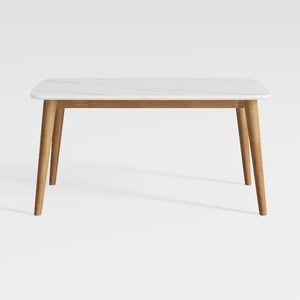

Modern Minimalist Faux Marble Solid Wood Dining Table 3D Model
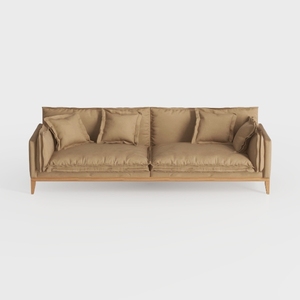
Minimalist Fabric Solid Wood 3 Seat Sofa With Throw Pillows 3D Model
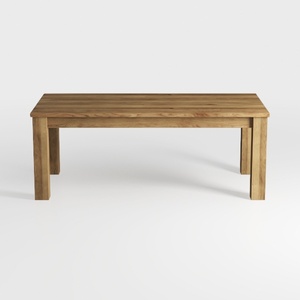
Minimalist Solid Oak Wood Dining Table 3D Model
Discover the simplicity of home design with Homestyler! This outstanding online platform features an intuitive design tool, stunning 3D renderings, and a wealth of DIY video tutorials, empowering you to create beautiful spaces effortlessly. Transform your home vision into reality today!
Design jetzt kostenlos
































