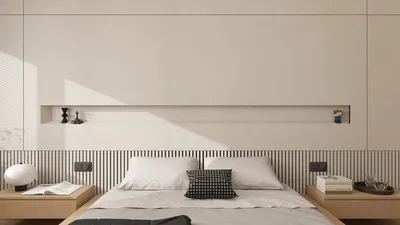


As we look towards the future, there is a growing emphasis on reducing our physical footprints while increasing the versatility of our living spaces. Modern families desire two genuine bedrooms without sacrificing light, air quality, or mental well-being. Surveys from AIA and NAHB indicate a consistent demand for adaptable bedroom layouts, even as the average size of new homes stabilizes. This scenario hints at a need for more efficient and intelligent design interfaces. Within this framework, a two-bedroom home designed in just 600 sq ft transforms into a functional ecosystem for daily living rather than just a physical structure. I always keep a toolkit for spatial reasoning handy, because contemporary spaces are constructed with complexity in mind rather than merely illustrated.
Rail-Core Layout: Corridor-as-Bus, Rooms-as-Modules
Design Logic: In this layout, two bedrooms are positioned along the exterior walls, while a slender service core containing the kitchen, bathroom, and laundry occupies the middle section. This minimizes plumbing runs while maximizing natural light in the main rooms—an essential feature for homes that adapt to multigenerational living situations.
Flow: The layout features a seamless path starting from the entryway, leading to a drop zone, then flowing into a living/dining area, with bedrooms located at opposite ends—similar to a clean function call in programming that avoids circular dependencies.
Sightlines: Upon entering, visitors see a calming window axis across the living area; bedrooms are slightly angled between 15 to 30 degrees to ensure privacy while preserving spatial depth.
Storage: Full-height rail closets provide ample storage; these are 24 inches deep and organized by function, with overhead compartments for seasonal items.
Furniture Fit: The layout accommodates a 76 to 78-inch sofa, a 30-inch round table, and a queen-sized bed in the primary bedroom measuring 60 by 80 inches, with options for a secondary room such as a 54-inch full or a 48-inch wall bed; pathways should maintain a clear width of 30 to 36 inches to meet design codes.
Verdict: This design resembles a stable long-term support (LTS) release: a fixed service core with flexible edge rooms, suitable for five years of evolving routines without the need for major overhauls.
save pin
Corner-Light Layout: Diagonal Bandwidth, Zero Dead Zones
Design Logic: The living area is designed to utilize the sunniest corner of the space; bedrooms are strategically set back, allowing natural light to flow in like a mesh network—particularly crucial as remote work continues to prevail.
Flow: The entryway leads to a kitchen peninsula that serves as a gateway, flowing into the sunny living corner, then splitting off to the bedrooms; each path is designed for straightforward navigation.
Sightlines: Diagonal views extending from the kitchen to corner windows enhance the sense of space; doors are staggered to maintain privacy in personal areas.
Storage: The design incorporates drawers at the peninsula base, bed risers, and a shallow 12-inch deep wall of shelves to keep frequently used items accessible, thus preventing clutter from spilling into the living area.
Furniture Fit: The kitchen peninsula measures 60 by 24 inches and comfortably accommodates two counter stools, while a modular 8-foot media wall boasts a slim 12-inch depth; the primary wardrobe spans 60 inches with sliding doors for efficiency.
Verdict: Natural light serves as the guiding interface, allowing users to navigate intuitively through the space, thereby minimizing daily friction in routines, especially for those working from home.
save pin
Center-Flex Node: Convertible Middle, Quiet Edges
Design Logic: A centrally placed flex room measuring between 9 to 10 feet acts as a multifunctional hub—serving as an office during the day and a guest room at night—providing a buffer for bedrooms to ensure acoustic privacy.
Flow: The layout begins at the entryway, transitioning to the flex node, which connects to both the kitchen and living areas, ultimately leading to the bedrooms, forming a hub-and-spoke design with minimal disruptions.
Sightlines: Translucent sliding doors allow for peripheral visibility without showcasing clutter; light filters through, keeping the core area vibrant.
Storage: Custom ceiling-height cabinetry in the flex room provides a neat solution for storing devices, linens, and folding desks; labeled bins function as a categorized storage system.
Furniture Fit: The flex space includes a fold-down desk measuring 48 inches, and a 72-inch sofa bed, with dining options such as a 36-inch drop-leaf table, while beds in each room type retain a clearance of 24 to 30 inches.
Verdict: This design functions similarly to adaptive firmware, allowing the central space to evolve while the edges remain constant, effectively future-proofing it for changes over the next five years.
save pin
Final Takeaway
A two-bedroom floor plan within 600 sq ft isn’t just a trade-off; it represents a meticulously designed protocol where light, storage solutions, and flow dynamics come together seamlessly. The most effective designs operate similarly to software—stable service cores with modifiable interfaces. Whether referred to as a compact two-bedroom or a micro family layout, my observations indicate that resilient small homes succeed through intentional sequencing, rather than sheer square footage, and it's clear to me how thoughtful design choices recalibrate everyday living greatly enhanced by tools like Homestyler.

Modern Leather Upholstered King Size Bed With Metal Frame 3D Model
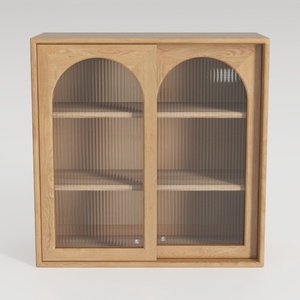

Nathan James Mason Modern Farmhouse Storage

Minimalist Solid Oak Floating Shelf 3D Model
Homestyler is an outstanding online platform for home design enthusiasts! It features an easy-to-use design tool, stunning 3D renderings, and a wealth of DIY tutorials that will inspire and empower you to transform your space. Bring your vision to life effortlessly with Homestyler!
立即免费设计
































