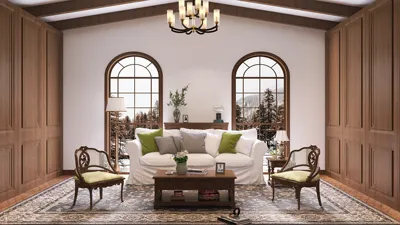


When I design small hallways, I treat them similarly to how I approach compact urban lofts: every square inch should be utilized effectively, and every design choice should enhance both mobility and ambiance. Halls inspired by the Mullai style—featuring serene, earthy tones and subtle expressiveness—can surprisingly exude spaciousness, even in limited areas. The objective is to create a layered environment that skillfully manages light, sound, and flow, all while remaining uncluttered.
Design Aim: Enhance Perceived Space While Retaining Comfort
The perception of space is significantly influenced by lighting and unobstructed paths. The WELL v2 framework advocates for a balanced lighting power density strategy, combining functional lighting with ambient layers to alleviate eye strain and boost alertness. Its Light concept emphasizes strategies that support circadian rhythms and manage glare effectively, which are vital for occupant comfort and performance. Research from Steelcase indicates that environments with options and visual control promote well-being and engagement, which translates into the need for versatile lighting solutions and customizable seating arrangements in our homes. I incorporate these guiding principles to develop compact hallways that feel airy, accommodating, and flexible.
Lighting intensity plays a crucial role: the IES recommends approximately 100–300 lux for general lighting in living spaces, while task zones should aim for 300–500 lux depending on activities. In small hallways, I typically strive for around 200–250 lux for general ambient lighting, complemented by dimmable task lighting for reading or highlighting displays. These levels help avoid overly bright areas and maintain visual clarity without causing glare.
Spatial Balance and Movement
Small hallways require precise spatial ratios. Aim for a 60:40 ratio of open circulation versus functional furniture. Ensure that main pathways remain at least 900–1000 mm wide whenever possible, creating a clear line of travel from entryways to seating areas. To quickly assess layout options, utilizing a room design tool like Homestyler can effectively simulate movement paths, focal points, and sightlines before finalizing your layout.
I typically anchor one wall with a sleek console table (depth of 300–350 mm), complement it with a narrow bench or compact settee (overall depth under 750 mm), and use a rug to delineate the seating area without obstructing flow.
Lighting Layers: Soft, Adjustable, and Glare-Free
Incorporate three distinct lighting layers: ambient, task, and accent. The ambient layer could consist of cove or flush-mount fixtures equipped with diffusers to minimize luminance contrast. Position task lamps at angles of 35–45° to avoid reflective glare on shiny surfaces. Accent lighting, such as wall washers, introduces vertical illumination that enhances the perception of space. Refer to IES guidelines for recommended illuminance levels and glare management techniques.
Maintain a color temperature range between 2700K and 3000K to uphold a warm Mullai-inspired palette. Incorporating dimmable setups is essential; utilizing a 1–10V system or smart dimmers allows you to adjust the hall’s lighting for guest entertaining, reading, or quiet evenings.
Color Psychology and the Mullai Color Scheme
The Mullai aesthetic evokes richness and earthy qualities—think of colors reminiscent of moss, leaves, clay, and tree bark. Greens within the 10–25% chroma range provide a calming effect without appearing overly muted; Verywell Mind’s insights into color psychology illustrate that green fosters balance and rejuvenation, aligning perfectly with entrance and lounging areas. Opt for mid-tone greens for wall treatments, warm off-whites for ceilings to reflect light, and accents in walnut or chestnut to add warmth. Reserve more saturated colors for smaller decorative elements—such as cushions, a singular artwork, or a ceramic lamp base.
Furniture Consideration: Sleek Designs, Multifunctional Pieces
Select furniture with raised legs to facilitate airflow and light below the seating; this approach keeps the hall visually airy. A storage bench serves as both seating and a place to conceal clutter. Utilize round or oval coffee tables to minimize sharp corners, improving the flow of movement. Ensure that seat heights range from 430–460 mm for ergonomic comfort and that backrests are set at 300–350 mm above the seat for short sittings in compact areas.
Layout Strategies to Enhance Space
- Float the rug, allowing 150–200 mm of floor to remain visible around its edges for a broader visual perspective.
- Optimize the media area: wall-mount screens and utilize a shallow cabinet (250–300 mm) to save on space.
- Focus on a single strong focal wall rather than multiple accents; this allows the eye to relax and makes the room feel more spacious.
- When L-shaped seating is impractical, consider two armless chairs paired with a slim bench for flexibility.
Using an interior layout planner can be immensely beneficial for evaluating spacing, circulation, and sightline preferences with precise rendering.
Sustainable Materials
Choose matte finishes to limit glare, especially by windows. Low-VOC paints and FSC-certified woods support healthy indoor air quality. Fabrics like linen, cotton, and wool blends harmonize with the Mullai aesthetic while providing sound absorption. A singular statement material—like raked plaster or textured limewash—can add depth without complicating the palette.
Acoustic Comfort for Smaller Spaces
Compact rooms can enhance sound reflections; therefore, deploy soft materials such as a dense rug (at least 10 mm pile), fabric upholstery, and lined window treatments. Incorporating bookshelves or open shelving can disrupt parallel surfaces and diffuse sound. Strive for a balanced absorption effect rather than complete sound deadening to keep the hall conducive to conversations.
Consideration of Human Factors: Movement, Accessibility, and Sightlines
Maintain reach areas between 700–1200 mm for everyday items, reserving higher spaces for seasonal decorations. Keeping a 15–20° downward angle from seated eye level to surfaces reduces strain on the neck. If the hallway serves dual purposes—such as a workspace—ensure task lighting provides between 300–500 lux and incorporate a chair with lumbar support. Set work surfaces at heights of 720–740 mm to accommodate most users comfortably.
Visual Rhythm and Equilibrium
Incorporate repetition and hierarchy in your design: repeat wooden tones across a few elements, balance a bold texture with two softer surfaces, and emphasize verticality in one area (like an art wall) while keeping adjacent spaces minimal. While symmetry can be soothing, I prefer an almost symmetrical approach with pairs that have slight variations to prevent the room from feeling overly rigid.
Styling: Opt for Larger, Impactful Pieces
Curate fewer yet larger decorative items: a single prominent plant instead of several small pots, and one large art piece instead of a crowd of frames. Embrace negative space utilizing the console; often, a few practical trays and a singular sculptural item can convey elegance more effectively than a plethora of decorations.
Practical Techniques I Implement
- Paint the ceiling a slightly warmer shade compared to the walls to avoid a cramped feeling.
- Position curtain rods higher and wider to create an illusion of larger windows.
- Utilize gallery lighting (narrow beam spots) to illuminate art pieces without overexposing the room.
- Incorporate a floor mirror opposite a light source to reflect light and extend the perceived length of the space.
Credible Resources
For lighting guidelines and glare reduction strategies, refer to the IES recommended practices (ies.org/standards). To learn about comfort principles applicable from office to home settings, consult WELL v2 for practical insights (wellcertified.com). These references ground my recommendations concerning lux levels, glare mitigation, and flexible lighting strategies.
Common Questions
Q1: What is the ideal illuminance level for a small hallway?
A1: Target approximately 200–250 lux for general lighting, with task areas reaching between 300–500 lux. This aligns with IES recommendations for living spaces and enhances comfort without causing glare.
Q2: What color temperatures are most suitable for a Mullai-inspired decor?
A2: A color temperature of 2700K–3000K maintains warmth, ensuring natural wooden tones remain flattering. Implement dimming options to transition from cozy evenings to brighter social settings.
Q3: How can I minimize glare in a confined area?
A3: Incorporate diffusers, indirect lighting, and matte finishes. Arrange task lights at angles of 35–45° relative to surfaces and avoid using bare, high-intensity bulbs in direct sightlines.
Q4: What dimensions are appropriate for furniture in tight hallways?
A4: Seek console tables around 300–350 mm in depth, seating with elevated legs, and round tables to soften circulation. Ensure main pathways remain clear at 900–1000 mm.
Q5: Is it feasible to include a workspace without crowding the hall?
A5: Absolutely—implement a wall-mounted desk at a height of 720–740 mm, a slim task chair, and focused lighting providing 300–500 lux. Store peripherals vertically to optimize floor space.
Q6: What materials support acoustic comfort discreetly?
A6: Utilize dense rugs, fabric upholstery, lined drapes, and bookshelves filled with volumes. These choices can absorb and diffuse sound while aligning with the Mullai design theme.
Q7: How should I select a focal point within the design?
A7: Choose a single dominant wall or object—be it art, textured plaster, or a standout lamp—and maintain a calm aesthetic around it. A prominent focal point enhances the visual perception of space.
Q8: Which green tones offer a restorative feeling without darkening the area?
A8: Opt for mid-tone greens with limited chroma (10-25%), which remain soothing and bright. As noted by Verywell Mind, green is linked to balance and tranquility, making it ideal for hall spaces.
Q9: Are mirrors beneficial or overused in small spaces?
A9: They can be effective, especially when strategically placed to reflect side light rather than facing windows directly. Positioning a floor mirror opposite a soft light source can naturally expand perceived depth.
Q10: How can I maintain a visually orderly decor?
A10: Focus on utilizing fewer, larger decor pieces and repeating materials throughout. Items like trays on consoles, a single large plant, and a cohesive color scheme can reduce visual clutter.
Q11: What's the best method for swiftly testing various layouts?
A11: Use digital design tools that allow for scaling and simulate clearances, sightlines, and circulation, enabling you to iterate designs efficiently before physically rearranging furniture.
Q12: How can lighting contribute to evening relaxation?
A12: Dim warm ambient lighting to around 150–200 lux, add localized task lamps for reading, and create a softer contrast between bright screens and darker surroundings to enhance relaxation.
Homestyler is your go-to online home design platform, perfect for both novices and seasoned DIYers alike. With its user-friendly design tool, stunning 3D renderings, and comprehensive video tutorials, you can effortlessly create and visualize your dream space, making home design a breeze!
Zaprojektuj teraz za darmo
































