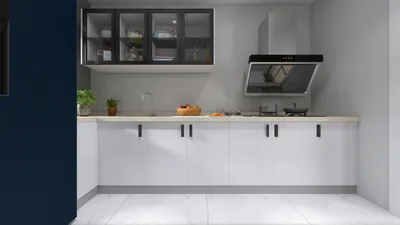


Over the past decade, I have planned and executed numerous small venues, and one consistent characteristic of the most effective small halls is that they create a sense of spaciousness beyond their actual dimensions. The JVP Mini Hall achieves this illusion through meticulous layout, diverse lighting options, sound management, and versatile furniture arrangements. In compact spaces, every square inch serves a purpose—traffic flow, visibility, and acoustics need to be thoughtfully coordinated to ensure events proceed seamlessly without visual distractions.
Data supports this design philosophy. According to Gensler’s U.S. Workplace Survey, spaces that accommodate a variety of activities—such as focused work, collaboration, and social interactions—are associated with a 33% higher satisfaction rate among users when adaptable layouts are available. Additionally, the WELL v2 guidelines suggest lighting levels between 300 and 500 lux for multi-purpose spaces to enhance visual comfort and readiness for tasks, guiding fixture selection based on glare control and spectral quality (v2.wellcertified.com). These standards adapt well to small event venues where programming can swiftly transition from lectures to receptions.
In small settings, the psychology of color plays a significant role. According to insights from Verywell Mind on color psychology, warm neutral tones can soften perceived formality, while shades of blue and green contribute to a calming atmosphere and improved concentration—an essential factor when managing fluctuating attendance or crowded seating arrangements. I recommend combining these soothing tones with high-CRI lighting to ensure accurate skin tones are maintained on stage and in photographs, enhancing the atmosphere to make it feel more upscale despite its compact size.
Zoning and Circulation to Avoid Congestion
I have divided the JVP Mini Hall into three flexible zones: the front-of-house area for arrival and registration, the main program area (stage plus audience), and the service loop for catering and audio-visual equipment storage. Keeping a 1.2 to 1.5 meter wide clear aisle around the audience prevents cross-traffic and ensures emergency exits remain accessible. When it's necessary to transition from rows of chairs to cabaret-style tables, a mobile storage solution on lockable wheels allows for the quick consolidation of chairs and linens without occupying the main event space. For planners needing to quickly assess seating arrangements, utilizing a room layout tool such as Homestyler can streamline the process of visualizing row configurations, cabaret clusters, and bar placements.
Flexible Seating Solutions for Changing Attendance
Compact venues often struggle when seating is fixed. I employ nesting chairs with a width of 450 to 500 mm, along with lightweight tables—700 mm diameter for standing events and 900 mm for seated gatherings—to adapt to varying attendance levels. Additionally, using tiered platforms with two 150 mm risers creates small terraces that enhance sightlines for intimate audiences without the need for a full stage setup. It's important to maintain symmetrical aisles and focus guests’ attention on a visual anchor like a screen or piece of art to provide clear orientation.
Lighting: Layers, Brightness, and Reduced Glare
Small event venues thrive with a three-tier lighting system: ambient lighting at 300 to 400 lux, task lighting peaking at 500 lux in areas like podiums or registration, and accent lighting for visual depth. I select fixtures with a UGR index below 19 to minimize glare and aim for a color rendering index (CRI) of 90 or higher on stage. Dimming capabilities and pre-set scenes allow staff to transition quickly from keynote presentations to receptions. Warm-to-dim LEDs can provide 3000K lighting for hospitality settings and range from 3500 to 4000K for brighter program areas. Following WELL v2 guidelines regarding glare and control ensures a pleasant visual atmosphere (wellcertified.com).
Acoustics: Ensuring Speech Clarity Without Overdampening
My primary goal is maintaining speech clarity, striving for a Speech Transmission Index (STI) of 0.6 to 0.75. In small spaces, flutter echoes and rigid parallel surfaces can hinder this clarity. I combine broadband sound-absorbing materials (with a NRC rating between 0.7 and 0.9) on walls alongside diffusive elements—like slatted timber and acoustically sculpted foam—located at the rear of the room to preserve sound energy without echo effects. Additionally, carpets or modular rugs beneath seating areas help reduce noise associated with foot traffic, while a low-noise HVAC specification (NC 30–35) avoids masking audio from presenters.
Stage and Audio-Visual: Modular, Neat, and Ready for Filming
The stage setup is designed to be modular, employing platforms that are 600 mm deep, allowing for various event formats. Effective cable management with trays and floor boxes keeps the area free of obstructions. A compact audio setup utilizing 4 to 6 microphones, including two wireless handhelds and two lavalier mics, efficiently supports panel discussions and presentations. For visual displays, an ultra-short-throw laser projector or a large 98" screen can be used to avoid cluttering the ceiling. Blackout shades and side wall washers help prevent screen glare and ensure even lighting for video recordings.
Materials and Finishes: Durable, Tranquil, and Easy to Maintain
I prefer using durable, abrasion-resistant fabrics that withstand heavy use (50,000+ double rubs) and semi-matte finishes to diminish glare. FSC-certified timber promotes sustainability. High-traffic areas such as door handles and chair supports benefit from powder-coated metal finishes to handle frequent rearrangements. Neutral color palettes provide flexibility for event branding elements. Avoid overly glossy flooring; instead, semi-matte vinyl or engineered wood reduces reflections and simplifies cleaning after events.
Storage, Back-of-House, and Efficient Turnaround
Effective storage solutions are essential for the smooth operation of a mini hall. A dedicated storage area of approximately 8 to 10 square meters featuring vertical racks for tables, nested chairs, and AV equipment facilitates quick conversions between events. Shelves should be clearly labeled by function (e.g., Registration, Bar, Panel) to assist volunteers in quickly locating necessary items. Service doors need to be positioned away from audience spaces to minimize traffic congestion during setup times.
Navigation, Branding, and Visual Harmony
Effective wayfinding can simplify navigation, utilizing clear signage at eye level and a cohesive typography strategy to lessen cognitive load for attendees. I create a visual rhythm in the space through alternating acoustic panels and wall washers, culminating in a distinct focal wall designed for event branding. Using mirrors in moderation, placed opposite textured surfaces, can expand the perceived depth of a small venue without creating disorienting reflections.
Capacity Planning and Safety Precautions
When determining seating capacity for denser setups, allocate 0.5 to 0.6 square meters per guest; for mixed environments with standing and seated arrangements, provision 0.8 to 1.0 square meters per person. Maintain a minimum door clearance of 900 mm and ensure two egress routes whenever possible. If the event involves service bars, position them near water and power access, and away from main entry points to reduce congestion.
Quick Layout Options for Effective Deployment
Here are three fundamental configurations: 1) Keynote configuration—which consists of rows with a central aisle, side lighting, and rear diffusers; 2) Cabaret setup—10 to 12 round tables, perimeter bar, and warm accent lighting; 3) Gallery setup—with perimeter displays and an open central area, track lighting emphasizes artwork, while music levels are adjusted for auditory comfort. To visualize these arrangements before finalizing bookings, consider using Homestyler's room design visualization tools to experiment with flow and sightlines.
Frequently Asked Questions
For lecture-style seating, aim for a space allocation of 0.5 to 0.6 square meters per guest. When combining standing areas with cocktail tables, 0.8 to 1.0 square meters per guest is advisable. These ratios help keep aisles clear and maintain optimal sightlines.
Ambient lighting should be maintained at 300 to 400 lux, with task areas reaching up to 500 lux at podiums or registration points. Incorporate accent lighting for visual depth and leverage dimming features and scene presets to transition easily between different program modes, adhering to WELL v2 comfort standards.
Select fixtures with a UGR below 19, add side wall washers, and apply semi-matte finishes on nearby surfaces. Refrain from using direct downlights that focus on screens; instead, rely on indirect and perimeter lighting for optimal results.
Utilizing nesting chairs and lightweight tables (ranging from 700 to 900 mm in diameter) on wheels provides rapid adaptability for seating configurations. Incorporating modular risers enhances visibility for small audiences without necessitating permanent installations.
Combine NRC 0.7 to 0.9 sound-absorbing panels at key reflection surfaces with diffusers at the back to manage sound. Ensure that HVAC noise levels remain around NC 30 to 35 to maintain speech clarity.
Employ soothing neutral tones accented with shades of blue or green to foster calmness and concentration, backed by high-CRI lighting to ensure natural skin tones are represented. Research on color psychology supports these outcomes while minimizing visual strain.
A compact audio setup should include two wireless handheld microphones, two lavalier mics, a small mixer, and either a laser projector or a large display panel. Utilize cable management solutions and floor boxes to maintain clear pathways; blackout shades assist in managing outside light interference.
Allocate 8 to 10 square meters for storage featuring vertical racks. Clearly label shelves based on function (Register, Bar, Panel) and ensure that service access routes are separate from audience areas to prevent bottlenecks.
Absolutely. Utilizing a room layout tool allows for the simulation of seating arrangements, aisle configurations, and bar placements, optimizing the planning process and preventing surprises on the day of the event.
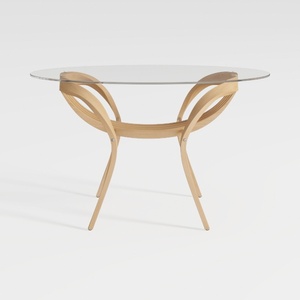

33 in. Natural Medium Round Glass Coffee Table
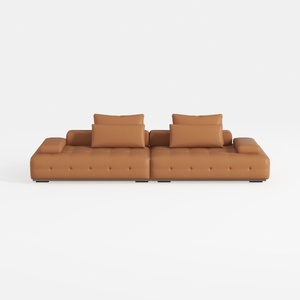
Modern Tufted Leather Oversized Sectional Sofa 3D Model

UEV Mid Century Modern Sideboard Buffet Cabinet
Homestyler is the ultimate online platform for your home design needs. With its user-friendly design tool, stunning 3D renderings, and inspiring DIY video tutorials, you can effortlessly create and visualize your dream spaces. Unleash your creativity and start designing today!
Zaprojektuj teraz za darmo
































