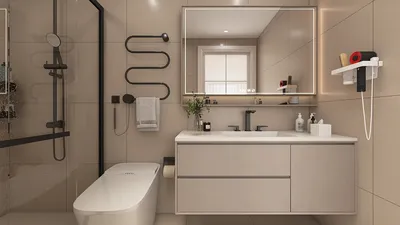


As future living trends tighten their scope, renters are becoming increasingly aware of micro-friction issues such as clutter overflow, fragmented routines, and dimly lit areas. My exploration examines how to create coherence within a 336 sq ft floor plan where space is limited. Surveys from AIA and NAHB illustrate a trend towards smaller new homes and a growing preference for flexible layouts; even data from Zillow on micro-units indicates a demand for efficient flow. We are already witnessing the future unfold, and I recognize that this footprint must serve as a kind of firmware to adapt to behavioral changes, especially with the aid of tools like Homestyler.
Studio Loop: An Introduction to Entry–Galley–Pocket Lounge–Sleeping Niche
Design Logic: By creating a continuous loop, this design condenses daily routines into a clear script, seamlessly connecting cooking, resting, and sleeping in one streamlined process. Future urban micro-living will favor multifunctional areas rather than separate rooms.
Flow: The layout features an entry buffer leading to a galley run, transitioning into a pocket lounge, with a sliding partition for the sleeping niche and a bathroom at the end; this clean sequence minimizes unnecessary backtracking.
Sightlines: From the entry, a long, clear view towards the window opens up; partial screens filter the bed space while prioritizing natural light and social areas.
Storage: Includes overhead galley units, toe-kick drawers, and a 12" deep wall rail system—these storage options adapt to seasonal requirements.
Furniture Fit: The design accommodates a 24–30" deep sofa, a 30" café table, and a queen Murphy bed at dimensions of 60" x 80"; precise measurements ensure movement flows without overlap.
Verdict: This layout is designed to accommodate flexible living for the next five years, absorbing periods of working from home while maintaining seamless functionality.
save pin
Diagonal Axis: Featuring a Corner Kitchen, Angled Desk, and Window Bed
Design Logic: The diagonal design strategy expands visual space, making the 336 sq ft feel more accommodating. Emerging trends support oblique pathways that soften hard corners.
Flow: Starting at the corner kitchen, the angled work area flows into a linear lounge and a window-facing bed; this diagonal approach minimizes interference and creates designated task stages.
Sightlines: Sightlines diverge from the desk towards the window; the bed is kept in a secondary viewpoint, becoming less prominent until night time.
Storage: The design includes a corner pantry, bed drawers, and an overhead shelf system—storage elements arranged according to accessibility: frequently used items within reach, larger items stored deeper.
Furniture Fit: The space accommodates a 48" desk angled at 30°, a 72" sofa, and a platform bed with 12" clearance; each measurement represents a functional aspect of the room’s layout.
Verdict: The diagonal design enhances perception, making adjustments to routines easy, proving to be resilient against changing schedules.
save pin
Split Zone: Integrating a Wet Core with a Dry Flex Area
Design Logic: By centralizing utilities into a compact wet core, we can free up space in the dry area for adaptable living arrangements. Future urban standards favor clustering essential services to reduce maintenance effort.
Flow: The layout features an entry leading to a wet core cluster (bathroom plus laundry), followed by an open dry area that can seamlessly switch between dining, studio, or sleeping setups; a configuration with fluid transitions.
Sightlines: The core serves as a low-height barrier that preserves the view towards the window; the focus remains on maximizing daylight and the communal area.
Storage: Features include vertical lockers surrounding the core, a fold-down pantry, and ceiling racks for bikes—storage options designed with ease of access and respect for reach.
Furniture Fit: The design accommodates a 40" round table, two stackable chairs, and a 54" daybed, along with a movable credenza at only 14" deep; compact dimensions maintain open space.
Verdict: By consolidating services, the dry area remains versatile, ready for new additions such as guests, projects, or quieter times without the need for major layout changes.
save pin
Final Thoughts
Optimal function of a 336 sq ft floor plan comes from treating it like an interface: incorporating nodes, sequences, and storage designed around real-life habits. In compact living, variations of micro-studios and modular units transform every square inch into purposeful space, not excess. The most effective small apartments won't simply be larger; they will be strategically designed. In my observations, I consistently see how well-planned flow lines can significantly alter the way people experience their living spaces, especially with innovative design tools like Homestyler.
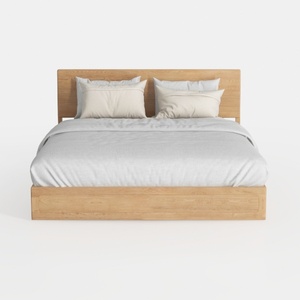
Minimalist Solid Oak Wood Platform Bed with Bedding 3D Model

Minimalist Solid Oak Wood King Size Bed 3D Model


Minimalist Solid Wood Round Dining Table Set with Upholstered Chairs 3D Model
Homestyler is your go-to online platform for transforming home design dreams into reality. With its user-friendly design tool, stunning 3D renderings, and abundant video tutorials, you can effortlessly create and visualize your ideal space. Perfect for both beginners and seasoned designers!
立即免费设计
































