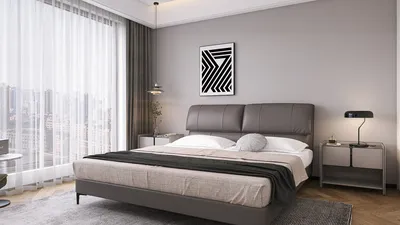


The cabins found in Singapore's cruise itineraries may be smaller than typical city hotel rooms, yet with thoughtful design in layout, lighting, and materials, they can feel surprisingly spacious. I view a cruise cabin as a miniature apartment: each inch is utilized effectively, storage solutions are cleverly integrated, and the ambiance remains tranquil, even amid turbulent waves.
When dealing with limited space, maximizing it becomes essential. A study conducted by Steelcase revealed that a well-organized environment enhances the perception of spaciousness, making this concept particularly applicable to cabins that generally measure between 12 to 18 square meters. Lighting plays a significant role in comfort: IES suggests using task lighting around 300–500 lux for reading, while ambient lighting near 100–200 lux can foster a serene atmosphere after sun-soaked shore excursions.
Prioritizing well-being during a cruise is crucial. The WELL v2 framework emphasizes the importance of controlling glare and implementing circadian-friendly lighting to facilitate better sleep. Moreover, findings from Verywell Mind indicate that shades of blue and soft greens can help lower heart rates and induce relaxation—vital during those nights when the ship sways more than a city block. These insights inform my color scheme and lighting distribution right from the outset.
Designing the Cabin as a Petite Suite
I conceptualize the space in three distinct zones: entry/service, lounge/sleep, and view/terrace. Movement flows effortlessly along one edge, leaving the center open. To avoid a cramped feel, I position bulky furniture away from the bathroom, opting instead for a combination wardrobe and minibar that nest together, creating space for luggage underneath and on higher shelves. To explore layout options, a room simulation tool like Homestyler effectively visualizes bed positioning, traffic patterns, and luggage space—eliminating uncertainties.
Choosing the Right Size for Bed and Headboard
Comfort doesn't hinge on oversized beds. In smaller cabins, a quality queen-sized mattress paired with a slim, upholstered headboard allows for better movement within the space. Integrated reading lights providing 300–500 lux at the pillows, in warm 2700–3000K color temperatures, enhance comfort for nighttime reading. I've incorporated a small shelf into the headboard for phones and glasses, along with a cable pass-through to keep cords tidy at the bedside.
Layering Lighting for Life at Sea
Effective lighting design focuses on three aspects: soft ambient cove lighting for atmosphere, focused task lighting for grooming and reading, and accent lighting to highlight textures. Dimmers are essential to minimize glare during motion. According to IES standards, vanity lights should be bright and even; I prefer vertical LED strips at 3000–3500K on either side of the mirror rather than relying on a single overhead light. For a natural rhythm, providing guests with controls like a dawn-simulating setting can help them adapt their wake cycles, especially when they dock early.
Exploring Color Psychology and Material Harmony
On tropical voyages, I avoid bright, saturated color schemes that can exert visual fatigue. Softer shades such as muted sea-blues, mist greens, and gentle taupes have a calming influence, as noted by Verywell Mind. Utilizing matte textiles helps reduce glare, while light-colored woods like ash or pale walnut reflect ambient light softly. I also create visual harmony through a rhythm of horizontal grains and repeated metal accents to give an illusion of a larger space.
Invisible Storage Solutions
Every item in the cabin should have a designated spot. Shallow drawers beneath the bed are perfect for folded clothing; a tall wardrobe with dual hang rods and a pull-out shoe area simplifies packing. I recommend benches that match suitcase height for easy storage beneath, freeing up floor space. Incorporating pocket or bifold doors can help minimize spatial conflicts when entering. Hooks near the entrance can hold wet jackets after deck time, while a slim laundry area keeps the overall appearance tidy.
Ergonomics in a Moving Environment
Designing for movement is essential. Rounded corners, 900–1000 mm clearance around the bed, and slip-resistant flooring help prevent accidents. Desk chairs should have a stable foundation with a supportive hold when standing, while task seating at a height of 680–720 mm is suitable for most users. I place the TV opposite the seating area rather than the bed to maintain a tranquil sleep zone; adjustable mounts help prevent neck strain when reclining.
Enhancing Acoustic Comfort
Soft furnishings make a significant difference in sound absorption: an upholstered headboard, blackout curtains, and a rug runner can help absorb noise from hallways and machinery. By isolating the minibar within a sound-dampening cabinet, I reduce the sound of the compressor. Additionally, employing perimeter gaskets on doors can improve sound insulation without the need for extensive renovations.
Optimizing Bath Space and Light Access
For compact bathrooms, a sliding door is a space-saver. Selecting a shallow vanity with built-in storage and a ceiling-high mirrored cabinet creates an illusion of height. Clear or lightly frosted glass allows borrowed light from the cabin while ensuring privacy through strategic frosting at eye level. Incorporating recessed shower niches and aligning grab bars with grout lines helps maintain a clean aesthetic.
Utilizing the Balcony as an Extension
Balconies provide valuable extra space for relaxation. Using foldable furniture and stackable stools enables versatility for both lounging and dining. A compact lantern adds charm without using too many power outlets. Keep sightlines unobstructed by ensuring seat heights are around 420 mm and backs are lower than the railing, thus enhancing views of the horizon and contributing to the overall perception of space.
Smart Control Systems for Easy Navigation
Control systems in the cabin should be user-friendly: having a master switch by the entryway, scene-setting buttons for night, reading, and morning lighting, along with a separate bathroom switch, makes for seamless operation. Install USB-C and standard outlets on both sides of the bed to prevent cable clutter. Motion-activated toe-kick lights aid late-night navigation without disturbing a partner's sleep.
Sustainability for Enhancing Comfort
Utilizing sustainable, low-VOC materials and washable fabrics simplifies maintenance while promoting health. LED lighting reduces heat in the cabin, providing a comfort benefit in hot climates, and lowers energy consumption. Whenever feasible, I opt for fabrics made from recycled resources and marine-grade coatings, which can withstand the marine environment without looking excessively utilitarian.
Effective Layout Strategies I Utilize
- Consolidate the millwork design: merging wardrobe, minibar, and storage into one cohesive element enhances space efficiency.
- Position the bed slightly off-center to directly align with balcony doors, improving the view direction.
- Keep visibility of furniture legs; elevated bases suggest airiness and visually expand the floor area.
- Strategically employ mirrors: a vertical panel opposite the balcony can draw in light without causing disorienting reflections.
Real-Life Design Considerations for Singapore Itineraries
The tropical climate calls for breathable linens and effective ventilation. I prefer light quilts over heavy bedding and opt for adding a ceiling fan wherever possible to promote airflow. After a long day at the beach, the entry area needs to be functional: towel hooks, a bench, and a discreet hamper can prevent sand from invading the sleeping quarters.
When to Reassess the Layout
If guests find it difficult to store their luggage or navigate around congestion points, a quick redesign can be beneficial. Consider switching the bed's orientation to enhance sightlines or consolidating furniture onto one wall. Utilizing an interior layout planner like Homestyler can help visualize these changes and gauge clearances based on ergonomic requirements.
Trusted References for Design Advice
To gain deeper insights on layout and comfort, I rely on industry research that emphasizes behavioral patterns and wellness in confined spaces. Gensler's research library provides crucial data on how spatial organization can alleviate cognitive load in smaller environments, while studies by Herman Miller and Steelcase on task-oriented spaces enhance cabin ergonomics. I also refer to WELL v2 and IES standards as benchmarks for lighting quality and glare reduction.
Frequently Asked Questions
Q1: What are the ideal lighting levels in a cruise cabin?
A: Aim for ambient lighting between 100-200 lux to create a relaxing environment, and use task lighting at 300-500 lux for activities such as reading and grooming, in line with IES recommendations. Warm light temperatures of 2700-3000K help ease the transition into the evening.
Q2: Which colors can help small cabins appear larger?
A: Opt for desaturated blues, greens, and light neutrals to create a calming atmosphere and provide an illusion of depth. Research from Verywell Mind indicates that these colors reduce stress, contributing to a more spacious feel.
Q3: How to manage luggage effectively without clutter?
A: Utilize under-bed storage drawers, benches that are the same height as suitcases for easy slide-under access, and double-hang rods in wardrobes to optimize space. Pocket doors also prevent swing conflicts in constricted entryways.
Q4: What is the best bed orientation for maximizing space efficiency?
A: Position the bed to harmonize with the balcony doors and maintain one side clear with a clearance of 900–1000 mm. Use a layout simulation tool like Homestyler to check for proper clearances and sightlines before finalizing your layout.
Q5: How can acoustic comfort be enhanced in cruise cabins?
A: Incorporate dense blackout curtains, an upholstered headboard, and a rug runner to absorb sound. Applying gaskets to door edges can significantly reduce noise from corridors without extensive renovations.
Q6: What ergonomic standards should I follow?
A: Maintain desk heights around 680-720 mm with supportive armchairs; avoid sharp edges, and ensure clear pathways alongside the bed. Align the TV for optimal viewing from the seating area to prevent neck strain.
Q7: Are smart control systems beneficial in smaller cabins?
A: Absolutely! Simple scene settings (like night, reading, and morning) combined with a master switch by the door prevent the need to fumble for various switches. Motion-sensing toe-kick lights offer suitable guidance for nighttime moves without disturbing others.
Q8: How should I select materials for tropical cruises?
A: Favor breathable fabrics, low-VOC surfaces, and marine-resistant textiles. Energy-efficient LED lighting reduces both heat and energy usage, providing extra comfort in humid settings.
Q9: What bathroom improvements can add comfort without expanding the space?
A: Implement sliding doors, vertical lighting on mirrors at 3000-3500K, recessed storage niches, and shallow vanities with integrated storage. Allowing light to flow through frosted glass helps maintain privacy while brightening the space.
Q10: How can I ensure balcony furniture does not obstruct views?
A: Choose foldable designs, maintain seat heights around 420 mm, and keep backrests below rail height to preserve sightlines and enhance the overall experience.

Boucle Fabric Modern Upholstered Platform Bed Solid Wood Legs 3D Model


Minimalist Fabric Upholstered King Size Bed 3D Model
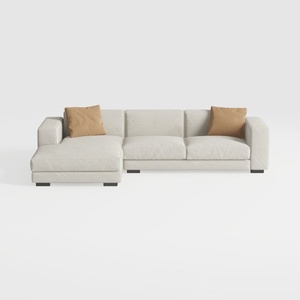
Minimalist Fabric L Shape Sectional Sofa with Throw Pillows 3D Model
Homestyler is an exceptional online platform for home design, perfect for both novices and seasoned decorators. With its user-friendly design tool, stunning 3D renderings, extensive design projects, and helpful video tutorials, you can effortlessly turn your design dreams into reality. Start creating today!
Design Now for FREE
































