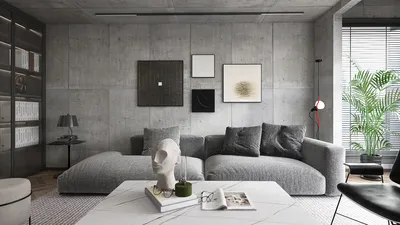


Cottage-style homes emphasize the importance of intentional design. With limited square footage, each area must cater to daily living, comfort, and adaptability for the future. In my experience, efficient one-story designs work best when movement within the space is kept minimal, furniture arrangements are carefully planned, and light is deployed effectively to create a perception of openness.
Research consistently shows that a well-thought-out layout combined with natural light enhances feelings of space and overall wellbeing. The WELL Building Standard points out that sufficient daylight and glare control are linked to increased comfort and efficiency (WELL v2). Additionally, studies by Herman Miller on home ergonomics reveal that seat heights of 16 to 18 inches and workspace heights around 28 to 30 inches can lessen physical strain during routine activities—important when spaces serve multiple functions such as dining, working, and hobbies (Herman Miller Research). These guidelines form the backbone of an effective cottage layout.
In small spaces, movement should serve a purpose rather than be an afterthought. Research from Gensler highlights that clear relationships between spaces enhance efficiency; this concept also applies at home: connect kitchen, dining, and living areas in a compact loop to minimize foot traffic and visual disorder (Gensler Research). For lighting, aim for ambient light levels between 200 and 300 lux in living spaces as recommended by IES, and target 500 lux during tasks such as reading or cooking (IES standards). Adhering to these standards creates a soothing ambiance that prevents small rooms from feeling overly bright.
Core Spatial Strategy
I advocate for a 60/40 division between communal and private spaces. About 60% of the area should support shared activities like living, cooking, and dining, while the remaining 40% is reserved for bedrooms, bathrooms, and storage. Arrange major traffic areas along the outer edges of communal spaces rather than through the middle so that furnishings can create a prominent focal wall. If you're exploring different layout options, tools like Homestyler offer quick visualizations for traffic flow and furniture placement.
room layout tool
Living-Dining Convergence
An open-concept does not equate to lack of boundaries. Create subtle divisions using rugs, the height of pendant lights, and low shelves. Ensure there is at least a 36-inch pathway behind dining chairs and 30 to 36 inches of clearance between seating and coffee tables to facilitate easy movement. Installing a compact banquette against a wall can free up floor space while also providing hidden storage. Utilize warm neutral color schemes—soft taupes and muted greens—drawing from color psychology: greens are known for fostering calm and balance, making small spaces feel more inviting rather than constrictive (Verywell Mind).
Kitchen Efficiency
In cozy cottages, I prefer a single-wall or L-shaped kitchen with a minimum 42-inch aisle where feasible. Keep the work triangle within 12 to 23 feet in total to minimize movement. Opt for 24-inch deep countertops, supplemented by an 18-inch high backsplash shelf for spices and small gadgets, to keep surfaces tidy. Under-cabinet LED lighting at 3000 to 3500K provides a warm task light without glare; for evenings, pair this with dimmable pendant lighting around 2700K over dining areas. Consolidate waste disposal with a single pull-out to avoid bulky bins that interrupt movement.
Bedrooms and Storage
Efficient bedrooms rely on built-in storage solutions such as full-height wardrobes, under-bed drawers, and slim alcoves. Leave at least 24 inches clear beside the bed for comfortable access. In compact primary bedrooms, consider using pocket doors to maximize available space. Choose breathable, low-VOC materials and environmentally-friendly wood finishes. Soundproofing is also essential: a solid-core door alongside a dense rug with proper padding can significantly enhance privacy by minimizing noise transfer between spaces.
Baths That Feel Larger
Using sliding shower doors or fixed glass panels can help reduce spatial conflicts. A wall-mounted vanity not only enhances floor visibility but also allows for extra storage via a mirrored medicine cabinet. Ensure task lighting is vertical and close to eye level beside the mirror to minimize shadows—aim for 500 lux at the face. Install a quiet exhaust fan vented outside to protect finishes and improve indoor air quality.
Light, Views, and Color
Natural light is the most effective way to enhance perceived space. Favor taller windows that allow for sky views while still retaining wall storage. Control solar heat gain with appropriate outdoor shading for south and west-facing windows. For artificial lighting, blend ambient (like recessed lights) with task and accent lighting. Managing glare is crucial—utilizing matte finishes on counters and light-diffusing shades can mitigate harsh reflections. According to color psychology, soft blues can encourage tranquility, while warm whites (LRV 70–85) illuminate without creating a sterile environment; deeper colors can be applied on accent walls to lend depth.
Flex Room: Work, Guests, Hobbies
A multi-use room near the entry or living area is a valuable feature in a cottage. Incorporate a foldable desk and a wall-mounted bed or daybed. Design for two lighting settings—task lighting at 500 lux and ambient lighting at 200–300 lux. Designate spaces for managing cables and include an outlet cluster at desk height to reduce clutter. When planning furniture arrangements or seasonal decor transitions, an interior layout planner can facilitate quick adjustments.
interior layout planner
Acoustics and Materials
Sound can reverberate more in smaller homes, thus it’s important to balance hard and easy-to-clean surfaces with soft, absorptive elements like fabric curtains, area rugs, plush seating, and sound-absorbing art installations. Utilize FSC-certified wood, tiles made from recycled materials, as well as low-VOC paints to promote sustainability and ensure better indoor air quality. In kitchens, opt for quartz or matte-finish solid-surface counters to minimize glare; in living spaces, selecting natural fibers helps manage humidity and maintain comfort.
Outdoor Transition Spaces
A cottage can feel more spacious when outdoor areas like porches, decks, or patios are integrated into the living dynamics. Align the indoor flooring with the exterior decking to create a seamless transition. A 6 to 8-foot sliding door centered in the living room establishes a connection to the outdoors and promotes natural circulation between spaces.
Spatial Proportions and Visual Harmony
I strive to maintain a room width-to-length ratio of 1:1.6 in primary areas; this facilitates balanced furniture layouts and promotes comfortable line of sight. Ensure main seating is focused toward a central wall or view to avoid disrupting focal points. Consistency in fixtures—such as matching pendant light finishes and uniform door handles—fosters visual harmony that pleases the eye.
Planning Essentials
- Ensure circulation paths avoid furniture layouts while maintaining clear 36-inch walkways.
- Implement layered lighting: ambient at 200–300 lux; tasked at 500 lux; utilize warm tones during evening hours.
- Favor built-in storage options such as banquettes, wall-mounted vanities, and full-height closets.
- Choose low-VOC, sturdy materials; prioritize sound absorption with textiles and rugs.
- Experiment with various layouts digitally using tools like Homestyler before finalizing designs.
Research and Guidelines for Standards and Ergonomics
Delve into insights on daylighting, ergonomics, and health from WELL v2 and Herman Miller’s research archives for comprehensive specifications and design parameters. Their findings are particularly pertinent to compact living, where each decision can significantly influence space utilization.
Frequently Asked Questions
Utilize a minimal furniture footprint, maximize sightlines with taller windows, and layer ambient and task lighting to achieve 200–300 lux and 500 lux respectively. Keep traffic paths near the edges and establish a focal wall to enhance visual organization.
A 42-inch aisle width is optimal; if that’s not achievable, 36 inches works as a minimum. Position the work triangle across a distance of 12 to 23 feet to enhance movement efficiency.
Warm neutrals paired with soft greens or blues promote tranquility and an expanded sense of space. Use higher LRV warm whites (70–85) on large surfaces while applying deep accent colors sparingly to enrich without constraining.
Aim for approximately 500 lux for lighting tasks at reading areas and kitchen prep zones, supplemented with ambient lighting at 200–300 lux to ensure balanced brightness and reduced glare.
Findings from Herman Miller advocate a workspace height of 28 to 30 inches alongside a seat height of 16 to 18 inches for optimal comfort. Incorporate 90–100-degree knee angles and ensure forearm support is adequate at desk level.
Incorporate storage solutions like banquettes with built-in drawers, full-sized wardrobes, and wall niches. Utilize wall-mounted vanities and under-bed compartments to enhance the visible floor space.
Counteract sound using absorptive materials, area rugs with sufficient padding, and solid-core doors. Develop spatial plans to prevent bedrooms from being too close to noisy equipment; adding soft furnishings and curtains can help reduce echoes.
While open layouts are beneficial, implementing thoughtful zoning through rugs, shelving, and pendant arrangements is critical for effective functionality. Avoid pathways that cut through seating to maintain clear areas around the perimeter.
Opt for taller, narrower windows that allow for wall storage while capturing beautiful sky vistas. Incorporate sun shading for southern and western facades to regulate heat and glare effectively.
Use a layout simulation tool like Homestyler to design and adjust clearances, sightlines, and movement patterns. This method minimizes physical trial and error and aids in validating focal wall placements and circulation loops.

Minimalist Fluted Solid Wood 6 Drawer Dresser 3D Model
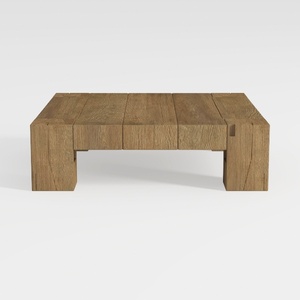
Rustic Solid Oak Wood Coffee Table Minimalist Living Room 3D Model
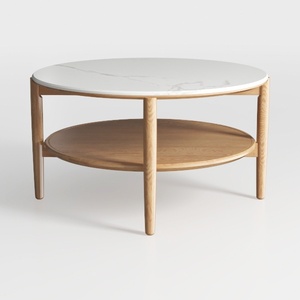
Minimalist Marble Top Solid Oak Round Two Tier Coffee Table 3D Model
If you're looking to transform your living space, Homestyler is your go-to online design platform. With an intuitive design tool, stunning 3D renderings, a plethora of inspiring design projects, and helpful DIY video tutorials, you can effortlessly bring your ideas to life and make your dream home a reality!
Concevez maintenant gratuitement
































