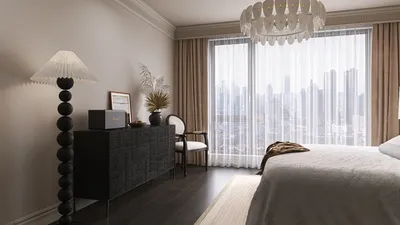


I specialize in designing compact split-level homes that create a feeling of spaciousness that surpasses their actual square footage. By utilizing a thoughtful arrangement of stairs, half-levels, and interconnected spaces, I can enhance privacy, increase natural light, and maximize storage—all without expanding the home's footprint. In my experience, split-level homes spanning 900 to 1,400 square feet provide superior circulation efficiency and a greater sense of openness compared to single-story designs when the level variations are employed to delineate areas instead of relying solely on walls. Integrating tools like Homestyler can help visualize these unique layouts effectively.
Natural lighting and sightlines are crucial to creating the illusion of space. According to WELL v2 guidelines, achieving 300 to 500 lux of illumination at work surfaces is vital for visual comfort. I typically implement this in kitchens and study areas using a combination of ambient and task lighting. Ergonomically designed seating and desk heights that maintain elbow angles between 90 and 100 degrees can help in reducing musculoskeletal discomfort, as supported by research from Herman Miller connecting good posture to higher productivity in home workspaces. These standards guide my decisions regarding window placements, skylight integration, and color temperature adjustments across varying levels.
I emphasize clear movement paths and behavioral zoning in my designs. Research conducted by Steelcase indicates that individuals are more effective at completing focused tasks in spaces that minimize noise and visual distractions, while social settings benefit from more open areas. In split-level designs, a slight elevation change can distinguish a cozy conversation area from a quiet reading nook. I frequently utilize a room layout tool to test different furniture arrangements before finalizing plans, ensuring optimal placement and flow.
Layering Levels for Daily Life
Effective compact split-level designs feature intentionality at each half-level. I often position the main entry on a mid-landing, providing three distinct routes: one leading down to a cozy media room, another up to the living-kitchen area, and a final half-flight to the bedrooms. This stacked organizational method helps to reduce noise while keeping the occupants connected. By incorporating low walls and open railings, I can maintain unobstructed sightlines while also managing sound and glare.
Circulation That Saves Space
In small footprints, oversized stairs can consume considerable space. I typically design residential risers to be between 7 and 7.5 inches, with treads measuring 10 to 11 inches, ensuring comfort without sacrificing compactness. While winders at corners may seem appealing, I find that straight runs with integrated storage below—such as pull-out drawers for shoes or a hidden laundry bin—offer far greater benefits. Continuously positioned handrails across half-landings support intuitive movement for individuals of all ages.
Daylight, Color, and Visual Balance
Split-level homes thrive on vertical illumination. I often use clerestory windows in upper living spaces and incorporate light shelves to distribute natural light deeper into the interior. Color psychology advocates for warm neutrals and muted tones to create calming environments; research from Verywell Mind suggests that colors like blue and green promote relaxation and focus, making them ideal for bedrooms and study areas. Task areas are designed to receive 350–500 lux of ambient light, using a warm-white tone of 2700–3000K for dining, and a neutral-white of 3500–4000K for kitchens. Glare control is essential, highlighting the need for matte countertop finishes and low-UGR fixtures to enhance comfort.
Acoustics and Quiet Pockets
In small homes, purposeful acoustical treatment is essential. I balance hard surfaces—such as hardwood or polished concrete in circulation spaces—with soft textures like wool rugs and upholstered seating in communal areas. Half walls fitted with bookshelves can also serve as effective sound absorbers. In integrated living-kitchen spaces, I specify low-sone-rated range hoods and soft-close cabinetry to minimize noise. Bedrooms elevated by a half-level are equipped with solid-core doors and shared storage walls that mitigate sound transfer.
Ergonomics in Compact Kitchens and Work Corners
Though the working triangle concept remains valid, in small split-level homes, I advocate for either a galley or L-shaped configuration while ensuring a minimum aisle width of 42 inches. A countertop height of approximately 36 inches accommodates the majority of users, while adjustable stool designs work well for breakfast bars. For work nooks, employing task lighting set at 400 lux, aligning monitor heights to eye level, and providing lumbar-supporting chairs encourages healthy posture. I strategically position these work areas on landings or adjacent to living spaces, allowing them to benefit from natural light without interrupting main traffic patterns.
Storage as Architecture
The changes in levels naturally create opportunities for additional storage solutions. Incorporating under-stair drawers, landing cabinets, and bay-window benches can effectively reclaim otherwise wasted vertical space. I often design a 12 to 16-inch deep built-in storage wall along the upper living level, featuring a combination of closed doors and open shelves to maintain a visually appealing rhythm. Mirrors placed opposite staircases can also enhance the impression of space without feeling forced or gimmicky.
Material Selection and Sustainability
In compact homes, I favor durable, warm materials like engineered oak, non-toxic paint, and low-VOC sealants. Using recycled PET for acoustic panels provides both soft texture for visual appeal and effective noise control. I often specify quartz or sintered stone counters for their durability and performance, while also ensuring that LED fixtures meet IES recommended levels of illuminance without creating excessive glare. If budget allows, investing in triple-glazed windows can enhance thermal comfort and reduce noise intrusion from neighboring properties, especially beneficial in urban developments.
Smart Zoning and Mechanical Strategy
Half-levels can create challenges with temperature control. To address this, I incorporate transfer grilles and low-speed circulation fans to promote even temperature distribution throughout the home. A dual-zone mini-split heating and cooling system with separate thermostats on each primary level helps to prevent over-conditioning. Strategic placement of return air near the den and supply vents by the upper living space ensures optimal comfort while avoiding noisy equipment proximity to bedroom areas.
Furniture Scaling and Spatial Ratios
Design scale can significantly affect a room's feel. Furniture pieces with slender arms and elevated legs create a more visually open environment, while nesting tables can offer flexibility over large coffee tables. I typically aim for a seating ratio of 2:1 in smaller living areas, pairing a sizable sofa with a more compact accent chair. Using vertical design elements—tall bookshelves and artwork—can enhance the perception of height in restricted spaces. It’s vital to maintain at least 30 to 36 inches of clearance around frequently used pathways.
Planning the Split-Level Layout
When designing for compact lots, I cluster functions based on noise sensitivity and privacy needs: semi-public areas should be positioned on the mid-level, tranquil spaces above, and utility zones below. Aligning kitchens to capture light from upper clerestory windows while creating intimate dining areas helps balance functionality with comfort. Before construction begins, utilizing an interior layout planner allows me to validate furniture arrangements and circulation paths, ensuring efficiency and minimizing costly modifications later.
2024–2025 Design Updates Worth Adding
Current trends show a preference for hybrid workspaces over traditional enclosed offices. I recommend integrating power and data solutions at landings, opting for tunable-white LEDs that adjust from 3000K in the evening to 4000K during the day, and designing multifunctional steps with built-in pull-out benches. Incorporating biophilic elements—such as a planted ledge alongside stair windows and the use of natural textures—can enhance well-being without adding visual clutter.
Compact Split-Level Concepts
The entry should be located at the mid-landing, with the kitchen and living areas positioned half a flight up, featuring clerestory windows, and a media den built half a flight down. Two bedrooms can be placed above with a shared bathroom, and the laundry room designed to fit beneath the stairs enhancing overall efficiency.
A spacious kitchen and dining layout can occupy the mid-level, while a quiet playroom integrates seamlessly half a flight down, separated by a half wall. The primary suite can be built above with a compact office, while secondary bedrooms are slightly offset to minimize sound transfer; an outdoor terrace aligns with the mid-level for comfortable hosting.
Consider dual work areas positioned on landings to take advantage of task lighting; optimize the den for acoustics; orient the kitchen to soak in morning sunlight; place bedrooms strategically to utilize storage for sound mitigation; and design a flexible room that can transition between guest accommodations and a studio with a wall bed.
FAQ
Half-level transitions create layered vistas and distinct zones without imposing full-height barriers, resulting in spaces that feel interconnected while clearly defined. Maximizing vertical light and incorporating open railings enhance the perception of spaciousness.
For daily tasks, strive for 300 to 500 lux of illumination at work surfaces in alignment with WELL v2 recommendations, utilizing a blend of ambient and task lighting. Kitchens are optimal at 3500 to 4000K, while dining and living areas remain comfortable at 2700 to 3000K.
Mix durable hard flooring with soft carpets and upholstered seating to effectively absorb sound. Employ solid-core doors for bedrooms, use acoustic panels, and align storage solutions along level boundaries to optimize sound insulation.
Utilize risers measuring between 7 to 7.5 inches paired with treads of 10 to 11 inches for comfortable navigation in tighter staircases, ensuring integrated storage solutions beneath and continuous handrails across landings for safe and intuitive movement.
Landings or edges of half-levels should be designed to receive ample natural light and experience lower foot traffic. Incorporate task lighting set at around 400 lux, ergonomic seating arrangements, and hidden power/data ports for a clutter-free aesthetic.
Scale furnishings appropriately to ensure clearances of 30 to 36 inches are preserved. Favor furniture with slim legs, opt for nesting options, and utilize vertical storage solutions. Utilize a room design visualization tool to experiment with arrangements before making purchases.
Implement zoned HVAC systems or mini-split units with independent thermostats across different levels, and pair them with transfer grilles to balance internal temperatures throughout the home. Position noisy appliances away from bedroom zones for optimum tranquility.
Choose durable materials such as engineered wood, quartz or sintered stone counters, low-VOC finishes, and recycled PET acoustic panels to enhance longevity while promoting healthier indoor air quality.
Absolutely. Blues and greens foster calmness and focus, making them particularly fitting for bedrooms and study spaces. Warm neutrals contribute to an inviting atmosphere without overwhelming visual elements.
Organize functions by noise sensitivity and privacy across half-levels, sketch out pathways for circulation, and utilize layout simulation tools to confirm furniture footprints and clearances prior to detailed design phases.
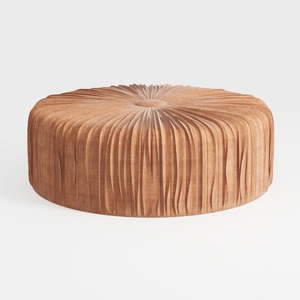
Minimalist Round Tufted Fabric Ottoman 3D Model
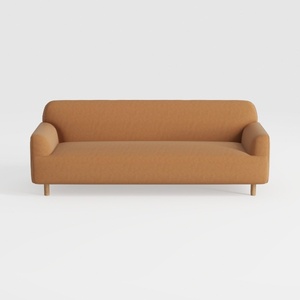
Minimalist Fabric Wooden Legs Sofa 3D Model
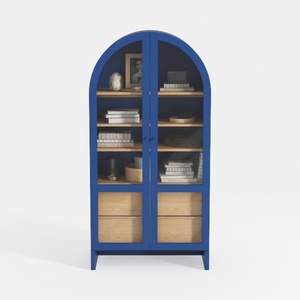
Arched Kitchen Pantry Cabinet with Glass Doors
Homestyler is an incredible online home design platform perfect for both novices and seasoned decorators. With its easy-to-use design tool, stunning 3D renderings, diverse design projects, and helpful DIY video tutorials, you can effortlessly create and visualize your dream spaces. Give it a try today!
تصميم الآن مجانا
































