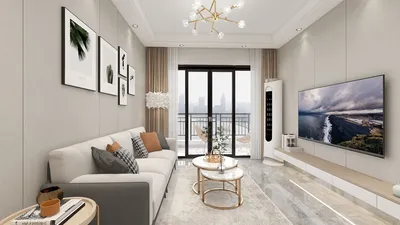


When dealing with compact spaces, enhancing the ceiling can dramatically change the perception of the room's size. I view fall ceilings as a strategic element that influences how we perceive space, manages light, and conceals utilities without sacrificing height. According to a 2023 study by Gensler, the quality of lighting ranks among the top three factors affecting workplace experiences, directly impacting the perceived spaciousness and comfort levels. The WELL v2 framework stresses the importance of controlling glare and achieving uniformity in illuminance, particularly in small areas where surfaces are close to the eye. When designed effectively, the ceiling can act as both a reflector and an acoustic barrier, making the area feel taller, quieter, and more open, and integrating tools like Homestyler can assist in achieving this visual depth.
Achieving the right balance of light is essential for creating a productive environment. Research from Steelcase indicates that optimal productivity occurs in spaces with low glare and even ambient light, combined with adjustable task lighting. This is especially vital in smaller rooms, where uneven lighting can make space feel cramped. I incorporate fall ceilings with soft, indirect coves and a well-planned grid of low-glare downlights, adhering to IES guidelines for uniformity ratios and cut-off angles to ensure smooth transitions of brightness. By including a simple perimeter cove, one can enhance the room's edges, giving the illusion of a more expansive area.
Strategies for Extending the Perception of Small Rooms
To create a visually soothing environment, I prefer to maintain a rhythm in the ceiling design that minimizes overhead clutter. In confined spaces, a continuous ceiling surface featuring a singular dominant lighting approach appears more serene than a patchy mix of fixtures. By placing linear slots along the length of the room, it draws the viewer’s attention outward, effectively elongating the perception of the space. Additionally, narrow acoustic baffles set at a consistent interval help organize the ceiling and reduce sound reflections, which is particularly beneficial in small study areas or offices with hard flooring.
The psychological impact of color should not be overlooked. As highlighted by Verywell Mind, cooler shades can create a sense of spaciousness and cleanliness. For small areas, I suggest using 3500–4000K for general ambient lighting to maintain a crisp atmosphere, while adding warmer lighting at 2700–3000K in seating areas to foster a comforting ambiance. This combination introduces depth without visual clutter.
Managing the depth of the ceiling is crucial in design. Ideally, I aim for a drop of about 75–100 mm, utilizing shallow LED fixtures, compact fire-rated housing, and careful duct planning to avoid encroaching too much into the space. It’s important to centralize any penetrations (like sprinklers or sensors) along a cohesive line to give the appearance of intentionality. Tools for room layout, such as visualization options like Homestyler, can be helpful for testing sight lines, fixture spacing, and glare management before construction begins.
Lighting Techniques for Enhancing Ceiling Height
Using indirect light along the walls can effectively counteract the common 'press-down' sensation that low ceilings may impart. By complementing this with low-output downlights in the center, keeping beam spreads wide (40–60°) and cut-offs deep, we can avoid intense highlights. For reading or working tasks, task lights should be placed below eye level, allowing the ceiling to only support ambient light, which aligns with IES glare recommendations while fostering a 'sky-like' effect overhead.
In small rooms, glare can be intensified by reflective surfaces. I prefer using matte diffusers and luminaires with low glare ratings suited to the room's purpose. By reflecting light off matte ceilings (with an LRV of 80–85), we achieve gentle gradients that lessen harsh contrasts. This simple adjustment yields significant results, allowing surfaces to blend into the background rather than stand out forcefully.
Sound Management Without Excess Bulk
In environments where every decibel matters, the ceiling serves as a crucial element for acoustic control. I have achieved positive results using mineral fiber tiles (CAC 35–40) or PET felt baffles with an NRC around 0.7 in small meeting spaces. Varying depths in a regular pattern can disrupt standing sound waves and diminish the conversion of whispers into noise. When a room is quiet, it feels significantly larger; thus, managing noise levels equates to reducing visual complexity.
Choosing Materials that are Light, Clean, and Eco-Friendly
I favor lightweight materials such as gypsum, fire-rated MDF, and recycled PET for baffles. The finishes should possess high light reflectance values, be low sheen, and easy to maintain—especially in versatile micro spaces. It's beneficial to keep vibrant colors in the furniture while allowing the ceiling to mimic an expansive sky.
Ceiling Design: Lines, Layers, and Proportioning
In narrower rooms, align lighting and baffles parallel to the long sides to create an elongating effect. Conversely, in short, wider rooms, crosswise lines can tighten the appearance and create rhythm. It’s best to elevate the ceiling with steps only in one direction; multiple directions can create visual noise. I strive for a ratio of 1:3 between main and secondary lines, so the overall composition appears cohesive.
Seamless Integration of Storage and Services
Compact spaces require efficient integration of features like cable trays, Wi-Fi, and air systems. These can be neatly concealed within a service spine—a recessed band (300–400 mm wide) that includes access points. Matching the lighting with this service spine can transform it into a design highlight rather than a practical afterthought.
Maximizing Daylight Through Ceiling Design
When a room includes a window, it is advisable to avoid heavy coffers that obstruct the influx of vertical daylight. Instead, use cove reflectors to direct light towards the window wall, allowing the ceiling to engage with natural light and perpetuate brightness throughout the space. This design approach maintains a connection to the exterior and enhances the sense of height within the room.
Simple Layout Adjustments
Position a pendant light only when it serves a singular purpose (such as dining or reading). Otherwise, distribute linear lighting throughout and allow the furniture arrangement to define different zones. To test circulation and fixture placements in tight configurations, tools like an interior layout planner can simulate potential glare and fixture overlap—streamlining the design process.
Key Installation Recommendations for Clients
• Coordinate early with MEP to minimize penetrations for efficiency.
• Always sample optics and color temperature on-site; mistakes can be exaggerated in small spaces.
• Ensure easy access panels are prioritized, as tiny areas necessitate straightforward maintenance routes.
• Complete ceiling painting only after lighting adjustments have been made to avoid excessive touch-ups on high-LRV finishes.
Common Questions
Q1: What is the maximum allowable drop for a fall ceiling in a compact room without creating a cramped feeling?
A: Aim for a drop of 75–100 mm when possible, utilizing shallow LED profiles and combining services to conserve headspace while improving lighting and sound performance.
Q2: Which color temperature can make a smaller space appear more expansive?
A: A cool-neutral ambient light at 3500–4000K helps maintain a clean and spacious feel. Layering in warm lighting at 2700–3000K over seating areas adds comfort without compromising the room's openness.
Q3: How can I reduce glare from downlights in a low ceiling setting?
A: Use deeply recessed downlights with broad beams (40–60°), opt for matte optics, and position them outside high-reflectance sight lines. Indirect perimeter cove lighting can provide balance while adhering to IES glare guidelines.
Q4: Is it effective to use a fall ceiling to enhance acoustics in confined spaces?
A: Yes. Utilizing mineral fiber tiles (CAC 35–40) or PET felt baffles (NRC ≈0.7) can lower echo effects and reverberation. Consistently spaced elements can add visual rhythm while minimizing audio clutter.
Q5: What finishes contribute to a heightened ceiling perception?
A: High-LRV (80–85), low-sheen paint on smooth surfaces is ideal. This type of finish diffuses light softly, blending edges rather than highlighting them. It’s advisable to avoid vibrant colors or glossy finishes on ceilings.
Q6: Is it worthwhile to implement indirect cove lighting in small spaces?
A: Definitely. Perimeter coves elevate wall outlines and establish a serene lighting environment, a comfort enhancer noted in workplace research from Gensler and Steelcase.
Q7: How should lighting fixtures correspond to room dimensions?
A: For narrow rooms, install linear fixtures following the long axis to create an elongation effect; use crosswise lines in shorter rooms to instill rhythm. Keeping a singular dominant direction prevents visual chaos.
Q8: What's the best way to incorporate ventilation without complicating the ceiling design?
A: Develop a service spine—an understated recessed band—to accommodate diffusers and maintenance hatches. Lighting that corresponds with this spine can enhance its design while ensuring functionality.
Q9: Do smart lighting controls contribute to making small rooms feel larger?
A: Yes. Configurations that shift from task to ambient light, alongside dimming capabilities that maintain uniform light at night, improve visual comfort and decrease contrasts that could make spaces seem smaller.
Q10: How can I validate layout and lighting plans prior to construction?
A: Implement an interior layout planner to model fixture placements, glare angles, and furniture flow. This is an effective method for confirming sight lines and proportionality in compact spaces.


Homestyler is your go-to online home design platform that empowers you to create stunning interiors effortlessly. With its user-friendly design tool, detailed 3D renderings, an array of inspiring design projects, and helpful video tutorials, transforming your space has never been easier. Start your design journey today!
立即免费设计
































