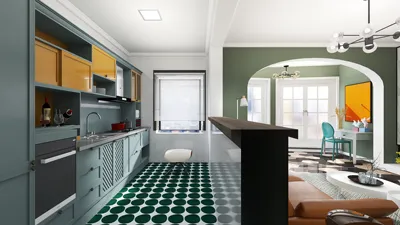


In South Delhi, I have successfully redesigned numerous banquet halls, with Malviya Nagar often seeking the same solution: how to transform a limited space into an expansive and elegant venue that facilitates effortless hosting. The bright side is that optimizing space doesn’t mean compromising on style or function. Instead, it requires making precise choices concerning spatial dynamics, circulation patterns, lighting strategies, and utilizing modular designs, enabling a venue spanning 2,500 to 5,000 sq ft to function like a much larger hall. Leveraging tools like Homestyler can aid in visualizing these changes effectively.
My design strategy is driven by two foundational insights. First, research from Steelcase highlights that guest interactions and dwell patterns tend to follow predictable patterns—people usually gather around thresholds and amenities. This reinforces the necessity of creating wider pathways and clearly defined zones to ensure smooth transitions throughout the space. Second, the quality of lighting significantly influences mood and alertness. Adhering to WELL v2 guidelines, achieving task illuminance levels between 300 and 500 lux in social and hospitality areas, while minimizing glare, is essential for making guests feel at ease and enhancing the presentation of food.
Design Intent: Maximizing Every Square Foot
When assessing a banquet site in Malviya Nagar, I delineate three key elements: the guest journey from entry to seating to service, staff pathways for setup and clearing, and essential utilities like power and HVAC. The objective is straightforward—reduce cross-traffic movement while maintaining clear sightlines throughout the venue. Ideally, 20 to 30% of the area should be allocated to circulation that can simultaneously serve as service pathways, ensuring unobstructed views from the entrance to the stage. For venues that require versatile configurations—transforming from wedding settings to corporate meetings—a lightweight modular system should be incorporated as a foundational element.
Flow-First Planning for Compact Venues
The first impression of a hall is often formed in the initial 10 feet upon entry. Establish a welcoming pocket that can manage small queues while offering an inviting backdrop for photos. I recommend maintaining an entryway width of 6 to 8 feet that leads guests to either a central stage or a standout installation, which can broaden to about 10 to 12 feet as guests disperse to their seats. It's essential to design a secondary service route—minimum 4 feet wide—for discreet staff movement around the seating area. Utilizing a planning tool, such as Homestyler, can be invaluable for experimenting with layouts and ensuring everything flows seamlessly before the event.
Seating Strategies that Maximize Space
- Round tables measuring 60 inches comfortably seat eight while promoting an engaging social atmosphere; ensure 54 to 60 inches of space between table edges for waitstaff mobility.
- Banquet rectangular tables (30 × 72 inches) can accommodate six people, fitting neatly into chevron or mixed configurations, making them suitable for corporate functions.
- Theater-style seating generally requires 36 inches between rows and 20 to 22 inches seat width; keep aisles 48 inches wide every four to six rows to facilitate movement.
- In mixed-use scenarios, it’s beneficial to maintain 10 to 15% of your seating as flexible options, like stackable chairs or light lounge arrangements, allowing for mid-event alterations without major disruptions.
Stage, Mandap, and Focal Zones with Minimal Footprint
Focus on enhancing the experience rather than merely increasing floor area. A modular stage that is 12 to 16 feet wide and elevated to 12 to 16 inches is sufficient for visibility in smaller venues. For weddings, a shallow mandap design (6 to 8 feet in depth) paired with layered backdrops and vertical floral arrangements creates an upward visual draw while preserving floor space for seating. Incorporating side-runner aisles helps photographers capture moments without compromising the audience's sightline.
Lighting: Lux Levels, Color, and Glare Control
An ambient light level of around 200 to 300 lux provides comfort; increase to 300-500 lux during peak meal service or presentations. Maintain a color temperature (CCT) of 3000 to 3500K for warm, natural skin tones during social events, while a tunable range of 3000 to 4000K pairs well with corporate functions. Use high CRI (90+) lighting above stages and buffet areas to accurately reflect food colors. Control glare by reflecting light off ceilings and utilizing diffusers, and enhance depth with vertical lighting on backdrops to add dimension without increasing overall power consumption. The lighting guidelines from WELL v2 serve as an excellent point of reference for balancing brightness with comfort.
Acoustics and Speech Clarity
In smaller banquet venues, reverberation can become a significant issue, making the space feel constrained as guests raise their voices. Aim for an RT60 of 0.8 to 1.0 seconds for versatility across different events. Utilize fabric-wrapped wall panels, acoustic clouds above dining areas, and soft decor to minimize noise. Ensure speakers are positioned at ear height for effective communication, and place subwoofers strategically to mitigate excessive bass.
Color Psychology and Visual Lightness
The choice of color can significantly influence perceived volume. Use desaturated colors on the largest surfaces; combine a soft neutral shade (like warm gray or muted sand) with a rotating accent color that aligns with event branding. High-LRV (light reflectance value) paints on ceilings enhance vertical perception, while a darker wainscot reduces visual clutter. Warmer color schemes (such as peachy neutrals, champagne, and soft gold) can create a welcoming atmosphere and flatter skin tones, aligned with insights from color psychology research.
Buffet, Bar, and Service Logic
To prevent congestion, cluster food and beverage stations on one side while ensuring essential points such as water and dessert are located independently from the main setup. Construct a buffet that is at least 36 inches deep with a service clearance of 60 to 72 inches for effective two-way traffic. If transitioning from a ceremony to dinner, roll-away induction stations and nesting risers can help keep the back of house organized. It's advisable to designate a service pocket of 6 to 8 feet behind a screen or drapery for clearing items discreetly.
Materials that Perform Well in Compact Spaces
- Floors should feature resilient luxury vinyl tiles with a wear layer of 20 mil or more to withstand high traffic, while area rugs can help absorb sound in lounge areas.
- Utilizing acoustic fabric panels or micro-perforated wood for walls adds warmth, and modular backdrop tracks can enhance the flexibility for various events.
- Ceilings can benefit from matte or micro-textured finishes to reduce glare; integrating linear access slots for HVAC can minimize bulky appearance.
- Furniture may include lightweight aluminum banquet frames, stackable up to 8 to 10 high, and folding tables with lockable casters to facilitate swift reconfigurations.
- For sustainability, select low-VOC paints and Greenguard-certified finishes whenever feasible, and consider LED lighting sources rated at 90+ lumens per watt to decrease heat load and power consumption.
Zoning and Transformability
Create divisions without erecting permanent barriers. Utilize translucent screens, tall planters, or draped arches to segment pre-function areas, seating zones, and dance floors. A portable truss structure can support lighting, sound, signage, and floral decor and can be easily dismantled post-event. Experiment with various zoning configurations using an interior layout planner to ensure efficacy before finalizing any structural developments.
Wayfinding, Branding, and Ideal Photo Opportunities
In today's photographic world, curate three visually appealing spots: the entryway, a stage backdrop, and a sponsor/branding wall near the bar area. Maintain an open space of 8 to 10 feet for group photos. Ensure signage contrasts with backgrounds and is positioned at a height of 48 to 60 inches, using backlighting to prevent visual clutter. Position power outlets near these areas to facilitate lighting adjustments without trailing cables across the venue floor.
Safety, Regulations, and Comfort Considerations
It's essential to respect egress routes, maintaining a minimum clear exit width of 44 inches relative to occupancy levels. Ensure an accessible path of 48 inches for individuals with prams or mobility issues, with ramps designed at a 1:12 slope and handrails set between 34 to 38 inches. For comfort, aim for supply air temperatures around 20 to 22°C, using low-velocity diffusers to avoid drafts that may affect light fabrics. Incorporate two accessible restrooms if the venue capacity exceeds 150 to ensure manageable queue times.
Event-Day Checklist
- Conduct a final walkthrough of the floor plan two hours prior to guest arrival to confirm aisles and sightlines are unobstructed.
- Save dimmer presets for different phases of the event—arrival, speeches, dining, and dancing—on a simple control keypad.
- Perform a sound check using a handheld microphone from the back row to ensure clarity.
- Prepare a reset cart stocked with essentials: gaffer tape, cable covers, additional uplights, spare chair caps, and a compact vacuum for minor clean-ups during the event.
Maximizing Budgets
Allocate funds in areas that enhance perception—lighting control, stage aesthetics, and acoustic treatments. Consider renting items that change often—such as bar fronts, photo walls, and floral arrangements—while investing in durability for furniture like stacking chairs and banquet tables. A compact, focused lighting setup can outperform a larger, unmanageable configuration and takes up less storage space.
Frequently Asked Questions
Q1: What is the maximum capacity for a compact banquet hall in Malviya Nagar?
A: For a space of 3,000 to 4,000 sq ft, plan for 120 to 180 guests in banquet seating arrangements, or accommodate up to 250 in theater-style seating while ensuring ample aisle space and a modest stage.
Q2: What table size offers the best balance between intimacy and capacity?
A: Round tables measuring 60 inches for eight guests strike the right balance for socializing and movement. If necessary, incorporate a few smaller 54-inch rounds for tighter configurations.
Q3: What lighting levels should I aim for?
A: Maintain ambient lighting between 200 to 300 lux and increase to 300 to 500 lux in key areas such as the stage and buffet, with a color temperature of 3000 to 3500K to create a flattering environment for skin tones, in accordance with WELL v2 standards.
Q4: How can I control noise levels effectively?
A: Employ acoustic wall treatments near the stage, acoustic clouds over dining areas, and include soft furnishings. Strive for an RT60 of around 0.8 to 1.0 seconds to maintain clarity in speech without compromising the room's ambiance.
Q5: What strategies can I implement to prevent crowd bottlenecks?
A: Design a clear entry path of 6 to 8 feet that expands to 10 to 12 feet for branching areas, while implementing a dedicated 4-foot service route around seating to ensure staff and guests navigate seamlessly without interference.
Q6: Is it feasible to transition quickly from a ceremony to dining?
A: Absolutely—utilize modular staging, collapsible tables with wheels, and maintain 10 to 15% flexible seating to allow for smooth adjustments. Plan layouts ahead with a room design tool like Homestyler, and store lighting transitions on your control panel.
Q7: What color schemes can create a sense of spaciousness?
A: Use high-LRV neutrals on expansive surfaces paired with a singular accent color that changes according to event themes. Darker trims can help ground the design and reduce visual clutter.
Q8: How should I organize buffet circulation to minimize congestion?
A: Allow for 60 to 72 inches behind the buffet for service clearance, position dessert or beverage stations away from the main line, and angle the buffet setup to keep views clear to the stage.
Q9: What are the ideal stage dimensions for smaller venues?
A: A stage measuring 12 to 16 feet wide by 6 to 8 feet deep at a height of 12 to 16 inches achieves a perfect balance of visibility and efficient use of space in compact halls.
Q10: How can I enhance accessibility for all guests?
A: Provide a ramp at a 1:12 slope to the stage, ensure 48 inches of accessible paths, and display clear signage at a height of 48 to 60 inches. It’s essential to have at least one ADA-compliant restroom near the main event area.
Q11: Which investments yield the best results?
A: Focus spending on lighting control, acoustic enhancements, and a modular backdrop system, as these investments generate significant improvements in perceived quality without requiring massive budget expansions.
Q12: How can technology assist in the planning process?
A: Utilize an interior layout planner to visualize seating arrangements, stage orientations, and aisle widths efficiently, allowing for seamless sharing of plans with vendors to eliminate guesswork on site.
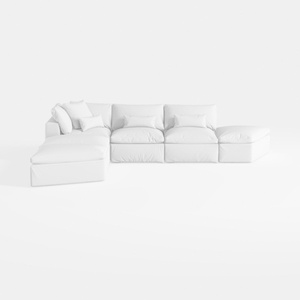

Minimalist White Fabric L Shaped Sectional Sofa 3D Model
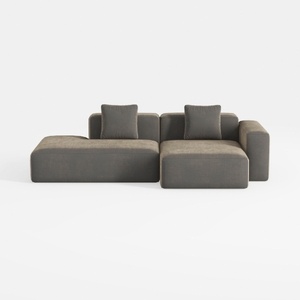
Minimalist Fabric L Shape Sectional Sofa with Throw Pillows 3D Model

Modern Dark Green Velvet Tufted L-shaped Sectional Sofa 3D Model
Homestyler is your go-to online home design platform! With its user-friendly design tool, stunning 3D renderings, and vast library of DIY video tutorials, you can effortlessly create and visualize your dream spaces. Perfect for both novices and seasoned designers looking for inspiration!
Design Now for FREE
































