


I create charming small village farmhouses with a focus on maximizing every square foot while maintaining a serene ambiance that reflects rural living. Typically ranging from 600 to 1,200 square feet, the design incorporates strategic planning, lighting, and material selection to optimize functionality. Research from WELL v2 indicates that access to natural light enhances comfort and supports circadian rhythms, while findings from Steelcase reveal that thoughtfully designed spaces can significantly boost focus and recovery. These two fundamental aspects—lighting and spatial arrangement—guide every design choice for small farmhouses.
Natural daylight is the most efficient and healthy resource available. The Illuminating Engineering Society recommends lighting levels of about 300-500 lux for living areas and suggests achieving up to 500 lux in work zones. My goal is to achieve the higher end of this spectrum in kitchen prep areas, desks, and crafting corners, while softening it to 200-300 lux in seating areas to prevent glare. WELL v2 further highlights the importance of glare control and visual comfort, so I opt for warm lighting in the 2700-3000K range, complemented by dimmers and simple lamp shades. Color choices also matter: Verywell Mind emphasizes that greens and muted earth tones lessen stress, contributing to a home that feels both grounded and effectively illuminates with daylight.
Compact Design, Spacious Feel
Begin with a straightforward, rectangular shape—this reduces perimeter, minimizes thermal bridges, and simplifies construction. A 24' × 36' structure with a 9' ceiling can feel ample if circulation spaces are kept close to the edges. I integrate storage into thick walls (like pantries, coat racks, and broom closets) while ensuring pathways maintain at least 36 inches in width for unhindered movement and accessibility. During the design process, I aim for direct sightlines: connecting the entry to the living area, the living space to the porch, and the kitchen to the garden. If you want assistance visualizing different layouts, a room design tool can effectively highlight potential bottlenecks and furniture impacts before making final decisions.
Porch as: An Essential Transitional Space
The village porch functions as both a mudroom and an extension of the living area. I design it to be a conditioned or semi-conditioned space, measuring 6-8 feet deep, oriented to capture prevailing breezes, and featuring a screened panel on the leeward side. Hooks for farm hats, a boot bench with a tray, and an overhead shelf all keep the main living space organized. This porch shields from low winter sun while promoting natural airflow during summer—helping to reduce cooling costs and enhancing acoustic comfort by directing noisy activities (like shelling peas or children’s crafts) outdoors.
The Kitchen: Heart of the Home
In these compact farmhouses, the kitchen serves as a vital hub. I prefer a U or L layout with a 36-inch prep space and a 42-inch island whenever space permits. The National Kitchen & Bath Association offers guidelines for clearances and work triangles that enhance efficiency and safety. Keeping pantry depth at 16-20 inches prevents 'container burial,' and opting for drawers instead of deep shelves allows for better visibility. A single, large window above the sink provides a view of the yard, while task lighting at 500-700 lux ensures clarity during food prep. Durable finishes like oiled wood, matte enamel, and breathable paints gracefully endure daily use.
Living Space: Designed for Flexibility
I envision the living space as a calm, rectangular area with a balanced furniture layout. Two chairs can be repositioned to form a work-from-home nook when necessary, while a cozy sofa facing a low console maintains open sightlines. Rugs can delineate spaces without the need for walls. To improve acoustics, I incorporate soft fabrics and bookshelves, mitigating echoes in the room. This design allows the area to transition seamlessly from social conversations to reading sessions or evening TV watching without feeling cramped.
Bedroom Design: Efficient and Practical
In a small footprint, bedrooms can still provide ample space with smart design choices. I position beds centrally to allow for 22-24 inches of clearance on either side for nightstands and use sliding closet doors to prevent swing clashes. Built-in drawers under beds and niches behind headboards replace bulky dressers, optimizing space. For tighter layouts, implementing a pocket door can save two feet of circulation. In homes designed for multiple generations, I stack bedrooms along the quiet side, placing the bathroom centrally for easy access.
Breathable Bathrooms
Compact bathrooms can feel expansive with the right design elements, such as glass shower panels, wall-mounted vanities, and light-colored flooring. A small tilt-and-turn window allows for natural ventilation and around 150-200 lux of daylight, enhanced by a low-glare ceiling light. Hooks for towels offer better utility than bars in smaller spaces, and a niche above the toilet provides a place for extra paper and soaps. I prefer using slip-resistant porcelain rated R10 or higher with matte finishes to minimize glare.
Storage as a Design Feature
Thick walls can accommodate a surprising amount of storage. I carve shallow compartments between the studs for items such as spices, cleaning supplies, and seasonal belongings. On the living side, a built-in seat can hide blankets and games, while a 12-inch shelf above doors can store less-frequently used items. This method helps keep floors free of clutter and reduces the necessity for extra furniture that may disrupt navigation.
Lighting, Colors, and Comfort
In a compact design, balanced lighting is crucial. I layer ambient lighting (like pendant and low-glare flush mounts), task lighting (under-cabinet strips and swing-arm reading lamps), and accent lighting (picture lights and small hidden uplights). Choosing warm neutrals for larger surfaces adds a sense of warmth, while textiles add character. Insights from Verywell Mind on color psychology correlate with practical experience: muted greens promote calmness, soft blues provide tranquility on hot afternoons, and terracotta accents add a sense of place without overwhelming the space.
Durable Materials for Daily Life
The demands of rural living call for finishes that can withstand daily wear. Solid timber or engineered wood with robust matte finishes, as well as breathable low-VOC paints and porcelain tiles in wet areas, simplify maintenance. Natural fibers like cotton, wool, and jute enhance acoustic comfort and develop character over time. I avoid glossy surfaces because a small farmhouse feels more spacious when light is diffused gently.
Thermal Strategy and Orientation
On village plots, orienting the long side of the house toward optimal light while using trees or a deep porch to shield from harsh western sunlight is key. High operable windows on the leeward side facilitate warm air expulsion, while lower openings capture refreshing breezes on the windward side—achieving a natural stack effect without mechanical systems. Utilizing night purging during summer works effectively if security screens and ventilation paths are planned correctly.
Integrating Outdoor Spaces
The yard should be seamlessly integrated into the overall design: composting areas situated near the garden, a tidy shed aligned with the house's ridge for aesthetic appeal, and a covered outdoor sink for washing harvested produce. Gravel pathways minimize mud entering the porch, and a simple screening at the porch’s edge can conceal work equipment while allowing airflow. This design choice notably improves the environment—keeping external messes and noises outside allows the interior to maintain tranquility.
Furnishing Guidelines for Small Spaces
Choose fewer, higher-quality pieces. A sturdy table can function for dining, crafting, and working; stackable chairs can be moved to the porch when needed; and a slender console can serve as a catchall. Elevating furniture off the ground lightens visual weight and choosing lighter upholstery increases brightness. I ensure lamps are placed at various heights—such as on the floor, tables, and shelves—to create a gentle contrast, supporting comfortable evening routines.
Recommended Layout Strategies
- Maintain a clear central axis: from the front door to a view of the garden.
- Combine laundry facilities with a bath or porch mudroom to enhance plumbing efficiency.
- Position the kitchen close to the porch; this allows for direct access when transporting harvested goods for prep and for messes to be easily taken outdoors.
- Use a single, continuous ceiling line to create the illusion of taller spaces.
- Opt for sliding or pocket doors when possible to save circulation space.
To visualize these layout strategies effectively regarding furniture dimensions and door swings, utilizing an interior design tool can facilitate verifying clearances prior to construction.
Engagement and Community
Village living thrives on collective routines—through neighbors, local markets, and seasonal festivities. I embrace this rhythm within the home: a table positioned near a window for shared tasks like shelling beans, a porch swing that’s audible from the lane, and a small display of local pottery in the kitchen. Spaces feel larger when they naturally accommodate these communal rituals.
Sustainable Practices in Small Homes
Designing small homes promotes efficient living. Incorporating low-flow fixtures, dense insulation, and durable materials is essential. Plant deciduous trees on the south and west sides, and manage water with simple rain barrels and permeable pathways. Inside, prioritize repairable hardware and avoid temporary trendy replacements. These quiet choices uphold the character of the farmhouse while being budget-friendly.
Frequently Asked Questions
Aim for lighting levels of 300–500 lux in living areas and 500 lux in task zones, as recommended by IES, reducing to 200–300 lux for evening relaxation to minimize glare.
Opt for muted greens, warm neutrals, and soft blues. Verywell Mind highlights greens for stress reduction and blues for fostering tranquility—perfect for small, multifunctional areas.
A U or L-shaped kitchen with clear 36-inch prep runs and a compact island if space allows. Adhering to NKBA ergonomic guidelines promotes safe and efficient navigation.
Layer various textiles—like rugs, curtains, and upholstery—while incorporating bookcases or wood paneling accents. Soft and porous materials enhance acoustic comfort without adding excess bulk.
Utilize warm 2700–3000K light fixtures for evening moods and retain dimming capabilities. Combining ambient and task lighting aids in avoiding stark contrast.
Absolutely. Pocket or sliding doors eliminate conflicts from swing doors, reclaiming 8-10 sq ft of space in compact bedrooms, hallways, or bathrooms while improving circulation.
Design porches that are 6-8 ft deep using screens, hooks, and boot benches; orient the space according to prevailing breezes. Position it to manage mud, mess, and overflow seating comfortably.
Integrate the laundry area with the bath or porch mudroom to streamline plumbing, reduce noise in living spaces, and maintain short travel distances.
Select matte-finished timber or durable slip-resistant porcelain in wet areas. Avoid high-gloss surfaces as they accent dirt and create excessive glare.
Employ a digital room planning tool to verify dimensions, door swings, and furniture sizing prior to any construction or purchasing decisions.

Rustic Solid Oak Round Coffee Table Unique Geometric Base 3D Model
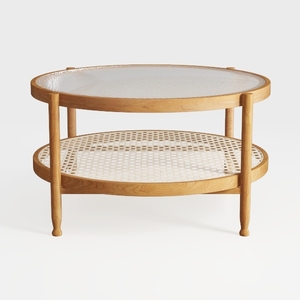
Minimalist Oak Rattan Glass Top Round Coffee Table 3D Model
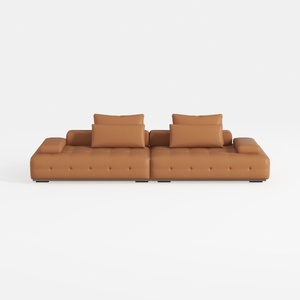

Modern Tufted Leather Oversized Sectional Sofa 3D Model
Homestyler is your go-to online home design platform! With its user-friendly design tool, stunning 3D renderings, and a wealth of creative design projects and video tutorials, it empowers you to transform your vision into reality—all at your fingertips.
지금 무료로 디자인하세요
































