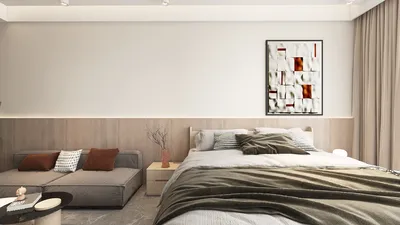


A client once challenged me to design an 11 x 11 dining nook that needed to accommodate six people, store a bike, and also serve as a workspace, all while maintaining a "Zen minimal" aesthetic. Initially, I chuckled and sketched a whimsical folding bench, but then it dawned on me that the real issue lay in the perception of possibilities. Typically, I initiate my projects by envisioning layouts in 3D, which allows me to experiment with an unconventional concept before fully embracing it.
1. A round table that flows effortlessly
In a compact 11 x 11 space, corners can hinder movement. I suggest opting for a round table, ideally between 36 to 44 inches, accompanied by slim, armless chairs to maintain an open flow. This arrangement fosters cozy conversations and eliminates awkward spaces, although it does sacrifice some formal dining room potential for enhanced circulation.
2. Benches that provide extra storage
Whether built-in or freestanding, benches can be positioned against a wall, maximizing aisle space while discreetly hiding away items like linens or games. I've had success with flip-top benches that, while not extravagant, serve practical purposes. The downside is that they can visually dominate a room, so it’s essential to counterbalance them with lighter pendant lighting and airy fabrics.
3. Utilize mirrors and simple focal points
Incorporating a horizontal mirror or a slender gallery wall can create an illusion of width in a small dining area, reflecting light from a nearby window. For those keen on precise furniture arrangement, crafting a floor plan beforehand can help avoid returns and uncomfortable rearrangements later as you search for perfect sightlines.
4. Versatile furniture for dynamic days
Select a drop-leaf table or a slim console that can be expanded as needed, allowing the area to seamlessly transition from casual weekday meals to formal weekend gatherings. Nesting tables and stackable chairs can also be great for clients who need additional seating occasionally; while this does require more storage space, the versatility is invaluable.
5. Create zones with rugs and lighting
Choosing a rug sized appropriately to anchor your dining set along with a pendant lamp placed low can instantly define a space within an 11 x 11 area. This strategy aids in making the dining nook feel intentional rather than an afterthought, and should you ever rethink the layout with the kitchen, layered lighting will still keep the nook inviting.
FAQ
Q1: What size works best for a dining table in an 11 x 11 room?
For comfortable seating, I'd recommend a round table sized 36 to 44 inches for four people; a rectangular option extending up to 60 inches can fit if you ensure chair depth remains slim. Always allow for at least 30 inches between the table edge and the walls or pathways.
Q2: Is there room for a buffet or sideboard in an 11 x 11 space?
Absolutely. If you opt for a narrow sideboard (12 to 16 inches deep) placed along a wall opposite the table, you'll gain valuable storage without overwhelming the space. Consider options with mirrored fronts or lighter finishes to minimize visual bulk.
Q3: How do I select the right lighting for a compact dining area?
A single statement pendant light centered above the table is sufficient; ensure its size is proportional (about one-third the table's width) and install a dimmer for versatility. If the room lacks ambient light, consider adding wall sconces or floor lamps for additional illumination.
Q4: Is a rug necessary to define the dining area?
A rug is beneficial for anchoring the table and mitigating echoes; however, ensure it is large enough for chairs to remain mostly on the rug when pulled out, which typically means at least 24 inches beyond the table. Low-pile rugs are the easiest for dining spaces due to their manageability.
Q5: How can I enhance the flow between a small kitchen and dining area?
Clear paths by aligning seating with natural walkways and opting for slimmer chairs. For effective layout testing that assesses adjacency and traffic flow, professionals frequently employ kitchen layout planners like Homestyler to visualize options in realistic scales.
Q6: What colors can make an 11 x 11 dining room appear larger?
Light, warm neutrals coupled with a consistent color palette across adjacent spaces can effectively visually expand the area. Employing a darker accent on a single wall adds depth, but refrain from painting all walls in dark shades unless the room has ample natural light.
Q7: What clearance should I allow between the table and walls?
It is advised to maintain a clearance of 30 to 36 inches from the table edge to the walls. This spacing ensures comfortable chair maneuvering and provides room to navigate behind seated guests. Remember to measure from the table edge and not the chair's back for true comfort.
Q8: Are there design standards to consider for dining spaces?
Indeed. Associations such as the National Kitchen & Bath Association (NKBA) put forward guidelines for proper clearances and ergonomics; their recommendations can serve as a trustworthy reference when determining the sizes and arrangements of dining furnishings (see NKBA standards at https://nkba.org).
Homestyler is your go-to online home design platform! With its user-friendly design tool, stunning 3D renderings, and a wealth of DIY video tutorials, you can effortlessly create and visualize your dream spaces. Start your design journey today!
Zaprojektuj teraz za darmo
































