

Direct Answer
Maximizing space utilization in an 18,000 sq ft luxury residence involves dividing the property into distinct functional areas, minimizing unnecessary passageways, stacking service utilities vertically, and creating multipurpose rooms. In extremely expansive homes, the main challenge is not the lack of space, but rather preventing the layout from becoming sprawling and unmanageable, ensuring the design remains purposeful, navigable, and convenient for everyday living.
Quick Takeaways
Introduction
Designing the floor plan for an 18,000 sq ft home might sound like a dream for luxury architecture, but it introduces unique design challenges. Based on experience with sizable estates in states like California and Texas, the primary concern isn’t filling space, but rather keeping the home efficient and practical.
In mega residences, wasted areas often hide in overlooked places such as overly wide corridors, duplicate lounges, remote guest quarters, and scattered mechanical rooms. Without strategic design, mansions can lose 20–30% of their usable living space due to inefficient layouts.
Many homeowners begin their design process by experimenting with virtual floor planning software like Homestyler, which allows for testing various large mansion layouts and identifying circulation issues before construction plans are finalized.
This article explores techniques architects employ to optimize space in large luxury homes, spanning from zoning strategies to vertical infrastructure placement.
save pin
Understanding Functional Zoning in Mega Homes
Key Insight: Vast estates feel well-organized when designed as miniature neighborhoods within a single property.
Functional zoning divides the mansion into specialized areas rather than one vast, continuous space. Without this, large homes can develop underused zones that waste valuable square footage.
Typically, I segment luxury estates into five primary zones:
A common misconception is to treat a mansion as just a scaled-up version of a typical house. When properties exceed around 12,000 sq ft, circulation starts to resemble that of boutique hotels more than standard residences.
Firms like Olson Kundig and McClean Design frequently separate entertainment sections from family living spaces to enhance privacy and reduce noise disturbances, greatly enhancing the home’s functionality.
Reducing Wasted Circulation Space
Key Insight: Hallways silently consume thousands of square feet in large mansions.
Circulation space is often the hidden culprit behind inefficiency in expansive homes. Some estate designs allocate over 3,000 sq ft solely to hallways and transitional areas.
Common reasons for this include:
Effective strategies involve:
Designers frequently leverage 3D mansion floor plan visualization tools like Homestyler to simulate circulation paths, enabling early detection of overly lengthy routes during the design phase.
save pin
Stacking Utility Systems Across Floors
Key Insight: Vertical alignment of mechanical systems reduces both building costs and long-term maintenance challenges.
A less-talked-about but crucial element in mansion floor plan design is the stacking of infrastructure systems vertically through the floors.
When bathrooms, kitchens, laundry, and HVAC systems are vertically aligned, several advantages arise:
One recent project involving a 16,500 sq ft estate revealed a 28% reduction in plumbing complexity just by aligning service zones. This translated to substantial installation and maintenance savings.
Large-scale homes magnify inefficiencies. Mechanical rooms poorly situated may be manageable in a small home but can cause significant operational headaches in a mansion.
Balancing Private Suites and Shared Areas
Key Insight: Overabundance of private rooms can make a mansion feel disconnected and empty.
Many clients assume larger estates require more bedrooms and guest suites, but too many private wings can diminish communal living and social interactions.
An ideal bedroom-to-shared space ratio in vast estates often looks like this:
Top-tier luxury homes emphasize shared spaces such as grand living rooms, indoor‑outdoor lounges, media theaters, and gourmet kitchens designed for entertaining.
Achieving this balance prevents the home from feeling like an impersonal hotel rather than a welcoming residence.
save pin
Designing Multi‑Purpose Luxury Spaces
Key Insight: Flexibility often trumps elaborate single-use rooms in massive homes.
Prestige rooms used only occasionally—like formal dining halls or enormous reception rooms—represent an underutilization of valuable space.
Current estate design trends favor adaptable rooms that serve multiple roles:
Flexible luxury spaces enhance daily functionality and ensure that square footage contributes to everyday living rather than mere decoration.
Homeowners experimenting with floor plans often utilize platforms such as Homestyler to visualize furniture arrangements and multipurpose setups before committing to building.
Answer Box
The most successful approach to optimizing an 18,000 sq ft home layout combines purposeful zoning, minimized hallway space, vertically stacked utilities, and versatile rooms. Without these methods, large homes risk inefficient space use and become challenging to navigate.
Optimizing Vertical Layout in Multi-Story Mansions
Key Insight: Thoughtful vertical structuring impacts daily ease of use more than just total square footage.
While many sizable homes expand horizontally, stacking functional layers vertically greatly boosts efficiency.
A common vertical planning framework includes:
Strategically positioned elevators and central staircases further cut down travel distances inside the home.
Research by the American Institute of Architects confirms that vertical zoning enhances circulation in homes over 10,000 sq ft by consolidating functional areas.
save pin
Final Summary
FAQ
How can I optimize the layout of an 18,000 sq ft house?
Implement functional zoning, minimize hallway areas, stack utility systems vertically, and prioritize multi-use rooms instead of seldom-used formal spaces.
What causes the greatest space waste in large luxury homes?
Excessively broad corridors and isolated wings typically account for the most wasted area.
How many bedrooms suit an 18,000 sq ft mansion?
A balanced estate usually includes between 6 and 10 bedrooms, as more can reduce efficiency in shared living spaces.
Why do mega mansions sometimes feel inefficient?
Inefficiency stems from poor circulation, disconnected wings, and too many specialized or rarely used rooms.
Is an open-concept layout suitable for very large houses?
Partially; while open areas improve flow, zoning remains essential to manage noise and privacy in massive homes.
What strategies optimize mansion floor plans?
Key tactics include centralized circulation routes, vertical utility stacking, and flexible multi-use spaces.
How do you reduce wasted space in large homes?
Limit hallway lengths, integrate circulation into living zones, and design rooms that fulfill multiple purposes.
What design elements make a large luxury home feel welcoming?
Balanced zoning, walkable layouts, and strategically placed communal areas help large mansions feel livable rather than overwhelming.


Minimalist Modern White Fabric Modular Sectional Sofa 3D Model

Modern Two Tone Fabric Leather U Shaped Sectional Sofa with Side Table 3D Model
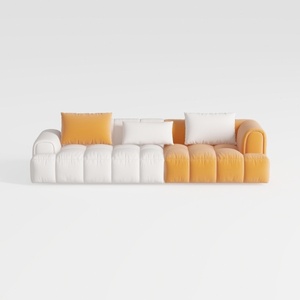
Modern Two Tone Fabric Sectional Sofa With Throw Pillows 3D Model
Homestyler offers an easy-to-use online design tool, stunning 3D renderings, and a vast collection of interior projects and DIY video tutorials. It’s a great platform to bring your home design ideas to life quickly and creatively.
立即免费设计
































