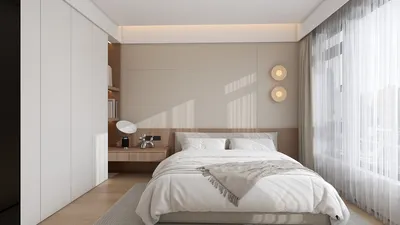


In a previous project, I designed a compact two-bedroom apartment in Logan Square where the client insisted on retaining all the cardboard boxes “just in case.” It was quite a chaotic situation until we transformed that clutter into a clever built-in shelving solution — suddenly, the apartment felt twice as spacious. Small living spaces can inspire immense creativity, and this is the focus of our discussion today.
1. Optimize vertical storage
When floor space is at a premium, I always look upwards. Tall bookshelves, wall-mounted cabinets, and sleek wardrobes can help free up much-needed walking space while simultaneously defining each bedroom's purpose. The benefits are significant — you gain additional storage without crowding the floors. However, accessing those top shelves can be a challenge; using a foldable step stool or establishing a lower “everyday” zone can easily address this issue. For quick layout visualizations, I often rely on a 3D planner like Homestyler to see how tall units influence sightlines.
save pin
2. Incorporate multi-functional furniture
I once persuaded a hesitant couple to incorporate a sofa bed and a dining bench with hidden storage; they were astonished by how much additional floor space became available. Furniture pieces that serve multiple functions — such as Murphy beds, sleeper sofas, and storage ottomans — provide flexibility for both guests and daily activities. The compromise may sometimes involve comfort or style, so I recommend testing these items personally and choosing one high-use item to ensure quality.
save pin
3. Create zones with color and rugs
In a snug two-bedroom apartment, color blocking and area rugs can give the illusion of separate rooms without the need for walls. For a cozy living area in a West Loop apartment, I used a warm accent wall along with a large rug; guests were convinced it was a larger living space. The key is to maintain a consistent color palette so that the small apartment remains cohesive rather than disjointed.
save pin
4. Utilize light, mirrors, and slim furniture profiles
Natural light is invaluable in Chicago’s varying seasons. Opt for slim-profile furniture and position mirrors opposite windows to reflect light deeper into the living area. I’ve witnessed tiny bedrooms shift from cramped to spacious simply by replacing heavy nightstands with floating shelves and including a full-length mirror. The drawback is that mirrors need to be strategically placed to avoid glare or privacy issues; however, when implemented correctly, they make a significant difference. If you're looking to experiment with layouts, a room planner, such as Homestyler, can assist you in testing mirror placements and furniture scales.
save pin
5. Efficient kitchen and bathroom upgrades
With a strict budget of $600, small enhancements to a kitchen or bathroom can yield substantial results — consider updating cabinet hardware, adding a peel-and-stick backsplash, or replacing a faucet. These updates can bring a sense of luxury without the need for a full renovation. I once rejuvenated a tiny kitchen in Pilsen for under $400, much to the owner's delight. Keep in mind the limitations of plumbing and electrical systems; typically, cosmetic improvements are the safest approach for budget-conscious individuals. For redesigns or to plan an efficient galley kitchen, a kitchen layout planner can simplify decisions and help avoid expensive mistakes.
save pin
FAQ
Q: Is it possible to secure a two-bedroom apartment in Chicago for just $600 per month?
A: It’s quite improbable to find a legal two-bedroom unit at $600 within Chicago’s current rental market; prices differ significantly by neighborhood and overall condition. Consider exploring roommate arrangements, subsidized housing, or income-restricted programs if your budget is strictly $600.
Q: Which neighborhoods offer the most affordable two-bedroom apartments in Chicago?
A: More budget-friendly options are typically located in the farther southern or western suburbs, though availability and safety can vary — always visit in person and evaluate transit options.
Q: How do I make an inexpensive two-bedroom apartment appear larger?
A: To maximize perceived space, utilize vertical storage, opt for multi-functional furniture, maintain consistent color palettes, and employ mirrors.
Q: Can renovations be completed on a $600 budget?
A: Minor cosmetic improvements such as painting, updating hardware, and lighting can usually be managed within a $600 budget. Major structural or mechanical renovations, however, will likely exceed this amount.
Q: Are there legal issues associated with extremely low-cost rentals?
A: Yes. Very inexpensive units might involve code violations or represent illegal conversions; it’s essential to request a lease, inspect for safety issues, and utilize local tenant resources.
Q: Where might I visualize layout concepts for a compact apartment?
A: I suggest taking advantage of a 3D floor planner like Homestyler to play around with furniture scaling and circulation before making any purchases.
Q: How do I locate subsidized housing in Chicago?
A: Reach out to the Chicago Housing Authority (CHA) or visit hud.gov for detailed information about official programs and waitlist availability; HUD is a trusted source for housing assistance.
Q: Can I cut costs by purchasing secondhand furniture?
A: Absolutely — thrift stores and online marketplaces offer excellent options for budget-conscious, unique finds, but remember to measure carefully to ensure everything fits and is in good condition.
save pin
Looking to transform your space? Homestyler is your go-to online home design platform! With its user-friendly design tool, stunning 3D renderings, a variety of design projects, and helpful video tutorials, you can effortlessly turn your decorating dreams into reality.
立即免费设计
































