

Direct Response
Maximizing space in a 120 square foot home layout hinges on three fundamental tactics: building upward, utilizing multifunctional furniture, and creating adaptable areas that evolve throughout the day. When these approaches are integrated from the start rather than retrofitted, a compact dwelling can accommodate sleeping, cooking, storage, and work zones within a footprint smaller than many bedrooms.
In practice, the gap between a cramped 120 sq ft dwelling and an efficient one usually depends on smart floor planning and clever concealed storage solutions.
Key Highlights
Overview
Crafting an efficient 120 square foot home layout ranks among the toughest tasks in residential architecture. Having contributed to numerous micro homes, backyard units, and tight urban studios, one issue consistently arises: small homes often don't fail due to limited size but due to ineffective spatial design.
When interior area shrinks below roughly 150 sq ft, conventional design principles fall short. Beds, kitchens, storage, and living zones can no longer be placed side by side without compromise. Instead, every inch must serve multiple purposes.
Before building starts, I frequently recommend experimenting with digital floor planning tools. These platforms, such as Homestyler, enable users to create incremental layouts that allow testing circulation flow, furniture proportions, and storage placement before finalizing designs.
This guide walks through advanced techniques experts apply to maximize spatial efficiency in micro homes—tactics rarely covered in typical articles but which greatly influence real-world projects.
save pin
Core Principles of Micro Home Space Maximization
Insight: The most successful micro homes view space as a multi-layered system rather than a single flat plane.
Typical homes host most activities on a single horizontal level. However, in a 120 sq ft layout, planning must be three-dimensional, considering the floor, walls, and ceiling planes.
Based on experience, three guiding rules shape nearly all effective micro home designs:
A report by the American Institute of Architects highlights that compact urban living increasingly depends on flexible layouts instead of rigid room divisions—especially relevant when homes are under 200 sq ft.
Multifunctional Furniture in 120 Sq Ft Designs
Insight: Furniture in ultra-small homes takes the place of entire rooms.
While a sofa bed is common, micro dwellings often feature furniture pieces that simultaneously serve two or three functional zones.
Among the most practical solutions I've incorporated are:
A frequent error is selecting oversized furnishings designed for standard apartments. When optimizing space in a 120 sq ft house, the scale is more crucial than style.
save pin
Utilizing Vertical Storage and Wall Space
Insight: Walls should act as practical storage systems instead of mere decorative elements.
In numerous micro home evaluations, nearly 50% of wall surface remains unused—an immense missed chance.
Effective vertical storage strategies encompass:
Experts often segment walls into three distinct zones:
Early visualization of vertical storage is key during floor planning. Many designers leverage platforms like Homestyler to experiment with furniture layouts within confined spaces prior to settling on cabinetry.
save pin
Loft and Split-Level Design Approaches
Insight: Incorporating level differences can simulate multiple rooms within a single area.
Lofts rank among the most effective tiny home space-saving methods but require meticulous design. Poor lofts may cause head clearance issues or unsafe access ladders.
My design priorities often include:
Small split-level flooring can define zones by elevating the sleeping area while keeping living spaces lower, subtly partitioning functions without physical walls.
save pin
Hidden Storage and Convertible Spaces
Insight: Visual clutter diminishes perceived square footage faster than actual size limits.
A noteworthy observation across many micro home projects is that exposed storage disrupts comfort, causing chaos even if the layout is efficient.
Common hidden storage methods in tiny homes encompass:
These techniques don't add floor area but greatly enhance usable storage while preserving open feel.
Adaptable Living Zones Within 120 Sq Ft Homes
Insight: Efficient micro homes transition functions over the course of a day.
Different times call for distinct spatial arrangements. Smart tiny home designs anticipate and embrace these shifts.
A flexible layout might include:
Professionals maintain open circulation paths allowing furniture to move or transform without obstructing traffic flow.
To ensure viability, many architects employ 3D renderings—often using Homestyler—to verify lighting, furniture sizing, and sightlines. These visualizations frequently uncover spatial conflicts pre-construction.
Response Summary
Combining vertical storage, convertible furniture, lofted sleeping pods, and concealed compartments represents the most effective approach for optimizing space in a 120 sq ft home layout. When integrated harmoniously, these strategies enable multiple everyday functions without crowding.
Conclusion
FAQ
Can a functional home exist within 120 square feet?
Absolutely, with a deliberate and strategic layout. A 120 sq ft house plan can incorporate sleeping, cooking, storage, and workspace by leveraging vertical storage and adaptable furniture.
Which furniture best suits tiny homes?
Items that fold, lift, or convert are most suitable. Examples include Murphy beds, storage benches, and fold-down desks, all effective in conserving space.
How can space be maximized in micro dwellings?
Utilize vertical storage solutions, lofted beds, multifunctional furnishings, and hidden compartments—these dramatically boost storage capacity and flexibility.
Do loft beds make small homes appear larger?
Yes. Lofts free up main floor area and help separate sleeping from living spaces, enhancing spatial perception.
What common mistake is made in tiny home layouts?
Choosing furniture sized for traditional apartments is a frequent pitfall. Proper scale matters more in small spaces.
How much storage should a 120 sq ft residence provide?
Designers generally target storage covering at least 15 to 20 percent of floor area via vertical and hidden units.
Is it possible to install a kitchen within 120 sq ft?
Yes. Compact galley kitchens outfitted with vertical cabinets and pull-out features fit comfortably within micro home footprints.
Which design style suits micro homes best?
Minimalist and Scandinavian styles are ideal, focusing on simplicity, light hues, and clutter-free arrangements.
Bibliography
American Institute of Architects – Trends in Housing Design Report
Tiny Home Industry Association – Guideline for Micro Housing Design
Meta Data
Meta Title: Techniques to Optimize Space in 120 Sq Ft House Layouts
Meta Description: Discover expert strategies to optimize space in 120 sq ft house layouts, including lofts, concealed storage, and multifunctional furniture solutions.
Meta Keywords: optimize space 120 sq ft house, maximize micro home space, tiny house space saving ideas, vertical storage for tiny homes, Homestyler tiny home design

Minimalist Solid Oak Platform Bed Frame 3D Model

Modern Leather Upholstered King Size Bed With Metal Frame 3D Model
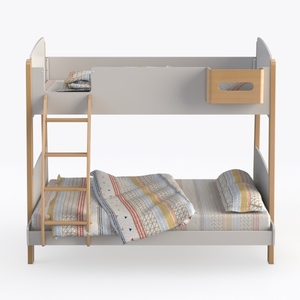
Modern Solid Wood And White Bunk Bed With Boho Bedding 3D Model
Homestyler offers an easy-to-use online design tool packed with 3D renderings, inspiring interior projects, and helpful DIY video tutorials—making it simple to create and visualize your perfect home design.
Progetta ora GRATIS
































