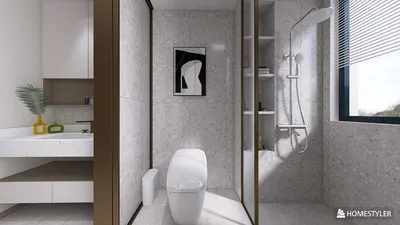


I’ve crafted numerous compact bathrooms where a space of 5 x 10 feet serves as a complete wellness retreat—incorporating storage, spa elements, and an overall serene appearance. In such limited areas, every detail is crucial. Ensuring proper light levels, equipment spacing, and flow is essential so that daily activities feel seamless rather than cramped. A recent survey by Steelcase indicates that 41% of individuals prioritize spaces that promote well-being in their homes, highlighting the growing demand for these features, especially in smaller bathrooms. Furthermore, according to the WELL v2 Light concept, a careful balance of vertical and horizontal illumination along with appropriate color temperatures can enhance circadian comfort—an aspect achievable even in compact settings with the right tools like Homestyler for planning.
From a practical angle, I aim for lighting between 300 and 500 lux at the vanity to facilitate grooming tasks, using low-glare fixtures in accordance with IES standards. I also target an ambient light layer around 2700 to 3000K to maintain a relaxing atmosphere during evening routines. The impact of color cannot be overlooked; insights from Verywell Mind indicate that cooler shades appear cleaner and more expansive, while warmer neutrals yield a comforting ambiance—important for effectively utilizing a narrow space. Implementing these research-backed strategies can make a compact 50-square-foot area feel equivalent to 70.
Establishing a Wet-Zone Spine to Anchor the Layout
In a 5 x 10 bathroom, having a linear wet zone becomes essential: position the shower, toilet, and vanity along one wall to streamline plumbing and maintain clear sightlines. I recommend allowing a 30–36 inch passage from the entryway to the shower, with the vanity conveniently situated near the door for easy access to towels. In tight spaces, it's wise to assess clearances before making final decisions; utilizing a space planning tool like Homestyler can help visualize layouts and confirm door swings and aisle widths early on.
Idea 1: Utilize Sliding Glass and a Curbless Shower
Replace a swinging door with a sliding glass door to gain an additional 8–10 inches of maneuverable space. Opting for a curbless shower creates an illusion of a larger area by visually extending the floor plane. Implement a linear drain on the back wall with a slight slope (1–2%) to facilitate drainage. Where feasible, choose a glass panel that is 78–80 inches high to enhance verticality, and continue the same floor tiles into the shower for a cohesive look. Opt for low-iron glass to enhance clarity and combine it with a wall-mounted mixer to minimize visual clutter.
Idea 2: Elevate the Floor with Wall-Hung Fixtures
Floating vanities (18–21 inches deep) and wall-mounted toilets elevate visual lines and increase floor visibility, giving the impression of more space. I typically set the vanity height around 34–36 inches, using shallow undermount sinks to maximize drawer capacity. Incorporate a 6–8 inch recess in the wall to install a mirrored cabinet. For a 5-foot width, a vanity measuring 30–36 inches works well to balance storage and flow. Ensure a minimum distance of 15 inches from the toilet's centerline to nearby obstructions, leaving 24 inches in front of the bowl for convenience.
Idea 3: Expand with a Mirror Wall and Layered Lighting
Mirrors serve a practical purpose beyond aesthetics; they amplify light and create an illusion of space. Consider extending a wall-to-wall mirror above the vanity and adding a slimmer mirror panel across from it to bounce extra light. For better visibility while grooming, place vertical sconces at eye level on both sides of the mirror to minimize shadows. Additionally, incorporate diffuse LED strips below the vanity for a floating effect and gentle night-time illumination. Maintain task lighting at 3500–4000K with a CRI of 90+ for accurate skin tones, aiming for 300–500 lux at the mirror's face level.
Idea 4: Employ Pocket or Barn Doors for Enhanced Clearances
When a standard hinged door takes away precious aisle width, using a pocket or track-mounted barn door can reclaim valuable space. In a 5 x 10 layout, gaining even 7–9 square feet of swing radius significantly improves the room's flow. Opt for soft-close hardware and solid-core doors for improved noise control. Frosted glass doors offer privacy while allowing natural light to permeate the corridor.
Idea 5: Choose Large-Format Tiles with Minimal Grout Lines
To create a sense of tranquility in a narrow setting, install 12x24 or 24x24 inch porcelain tiles with tight grout joints (1/16–1/8 inch) in a lengthwise direction. Continue the same tiles from the floor into the shower to establish a unified appearance. A matte finish with R10 slip resistance enhances safety without appearing overly stark. On walls, opt for a stacked bond pattern to create elongated sightlines while reserving textural accents for a single focal wall to minimize visual distraction.
Idea 6: Color Awareness—Balancing Cool Lights and Cozy Neutrals
Color significantly affects perception. Use cool whites or soft gray-greens to create an airy ambiance, complemented by warm wooden accents for contrast. If a cocooning effect is preferred, employ warmer tones (beige, clay) and utilize higher-gloss wall tiles on one surface to enhance light reflectance. Striking a balance is crucial: Implement cool light for clarity around the mirror, while incorporating warmer ambient lighting for relaxation in the shower area. This approach aligns with color psychology insights related to arousal and tranquility, making a confined bathroom feel both spacious and comfortable.
Idea 7: Incorporate Built-In Niches and Concealed Storage
Every square inch should serve a purpose. Frame a 14x30 inch niche within the studs of the shower for storing bottles, ensuring it is lined with a contrasting mosaic and designed with a slight slope for drainage. Recess a medicine cabinet flush with the wall and install shallow 3–4 inch shelves behind the door for backup toiletries. If ceiling height permits, consider high cabinetry (12–15 inches deep) above the toilet for linen storage, ensuring at least 18 inches of clearance above the tank for maintenance access.
Idea 8: Addressing Ventilation and Acoustic Comfort
Small spaces tend to retain both humidity and sound. Specify a quiet exhaust fan rated at or below 1.0 sone to maintain a restful environment, targeting 8–10 air exchanges per hour for effective moisture management. Utilize solid-core doors and insulation measures to reduce sound transmission to adjacent areas. For glass doors, opt for soft-close features and consider rubber edge seals to limit rattling.
Idea 9: Smart Fixtures and Water Efficiency
Make use of low-flow fixtures such as lavatory faucets with a flow rate of 1.5 gpm and toilets rated at 1.28 gpf to ensure performance while conserving water. Integrate thermostatic valves to maintain consistent temperatures, enhancing the comfort of small showers. Additionally, install a humidity-sensing fan that operates automatically post-shower and a timer switch to ensure sufficient running time without wasting energy.
Idea 10: Install Niches, Ledges, and a Bright Ceiling
In narrow bathrooms, verticality can be an advantage. A 3–4 inch ledge along the wall provides a spot for candles and small essentials without intruding on space. Above, create a shallow cove with indirect LED lighting (2700–3000K) to soften the ceiling and diminish contrast, making low ceilings feel more elevated. Choose moisture-resistant, high-LRV ceiling paint to boost light reflectance.
Designing Layouts for a 5 x 10 Configuration
- Side-by-Side Linear: Place a 30–36 inch vanity by the entry, a 60 inch shower at the back with a sliding door, and the toilet in between. This layout keeps plumbing efficient and sightlines unobstructed.
- Enclosed Wet Room: Designate the last 40 inches as a wet zone with a curbless shower; keep the remaining area dry with a wall-mounted vanity. This works effectively for families and individuals looking to age in place.
- Split Line with Pocket Door: A pocket door opens onto a vanity wall; the toilet is positioned behind a half-height divider, with the shower across the room. This arrangement provides privacy without enclosing the space.
Quickly validate these options using an interior layout planner like Homestyler to check for clearances and visualize finishes before beginning renovations.
Material Selection and Sustainability Initiatives
Select porcelain tile for its durability and low absorption rate; pair it with epoxy grout in wet areas for lasting results. Choose Greenguard Gold–certified paints and low-VOC sealants to ensure indoor air quality—especially vital in smaller spaces. For cabinetry, consider FSC-certified plywoods and resilient laminates that can withstand humidity. Incorporating natural textures—such as rift-sawn oak and tumbled stone accents—adds warmth without overwhelming the area.
Detailed Lighting Strategies
- Ambient: Use ceiling-mounted or cove lighting at 2700–3000K, aiming for 150–250 lux for overall comfort.
- Task: Incorporate vertical sconces or integrated mirror lighting at 3500–4000K, targeting 300–500 lux measured at eye level.
- Accent: Use LED strips under vanities or in niches at 2700K for added depth and safe evening illumination.
Maintain low UGR (glare) with the use of diffusers. Consider dimmable warm light options for evening use. Follow IES recommendations for task accuracy and glare management, while referencing the WELL v2 Light standard for a balanced exposure to light throughout the day.
Final Touches to Create an Expansive Feel
Select hardware in brushed nickel or light brass to bring warmth to cooler color schemes; keep profiles sleek. Opt for a single long towel bar or a slender heated towel rail instead of multiple hooks to minimize wall clutter. Utilize clear countertop canisters and maintain a consistent accessory palette to cultivate serenity in the room. The key is to achieve a tranquil utility with everything easily accessible and nothing demanding excessive attention.
Frequently Asked Questions
Q1: What is the most efficient layout for a 5 x 10 bathroom?
A1: A linear design with the vanity positioned near the entrance, toilet centered, and a 60-inch shower at the back is optimal for plumbing efficiency and clear sightlines. Ensure there is a 30–36 inch route from the entrance to the shower, and verify door swings ahead of time.
Q2: How much illumination is necessary at the vanity?
A2: Aim for 300–500 lux at face level, utilizing vertical fixtures around the mirror, at 3500–4000K with a CRI of 90+. This setup supports effective grooming and minimizes shadows, consistent with IES task-lighting standards.
Q3: Are wall-hung toilets beneficial in compact bathrooms?
A3: Absolutely. They enhance floor visibility, creating an illusion of increased space and simplifying cleaning. Ensure proper installation with adequate in-wall carrier framing and keep 24 inches clear in front of the bowl.
Q4: What strategies can help reduce visual clutter?
A4: Elevate the vanity, conceal the medicine cabinet, employ large-format tiles with narrow grout lines, and limit to only two wall finishes. A wall-to-wall mirror combined with hidden storage can help achieve a calm aesthetic.
Q5: Which color schemes can make a narrow bathroom feel more spacious?
A5: High-LRV neutrals for the walls (soft whites, light gray-greens) paired with warm wooden accents create an expansive feel. Glossy or satin tiles on a single wall can enhance reflectance, while consistent flooring into the shower visually extends the space.
Q6: How should I manage ventilation in a small bathroom?
A6: Install a quiet fan rated at or below 1.0 sone alongside 8–10 air changes per hour and a humidity sensor. Timers for post-shower ventilation ensure thorough moisture removal without manual oversight.
Q7: What low-flow fixtures can conserve water while delivering strong performance?
A7: Lavatory faucets operating at 1.5 gpm, showerheads at 2.0 gpm or lower, and toilets that flush at 1.28 gpf all help achieve this balance. A thermostatic valve can maintain stable temperatures in compact showers.
Q8: What is the best door option for limited clearances?
A8: Pocket doors or premium barn doors optimize space by eliminating swing. Frosted glass options ensure privacy while allowing light to filter through. Use soft-close tracks and solid-core structures for better sound insulation.
Q9: Is it possible to fit a tub in a 5 x 10 bathroom?
A9: A 54–60 inch soaking tub can fit along the 10-foot wall, but consider a shower/tub combo with a sliding screen for retaining circulation space. If regular bathing isn't a necessity, a curbless shower usually provides a more expansive feel.
Q10: How can I minimize glare with mirrors and glass surfaces?
A10: Employ diffused light sources, position sconces at eye level, utilize low-iron glass for clarity, and consider dim-to-warm options for evening use to reduce contrast and glare.
Q11: What types of storage are effective without overcrowding the space?
A11: Utilize recessed niches, shallow cabinetry above the toilet, and mirrored medicine cabinets. Ensure small shelves (3–4 inches deep) near the door for easy access to necessities while keeping countertops clear.
Q12: Which materials are resilient in humid environments?
A12: Select porcelain tiles with epoxy grout for wet areas, marine-grade or sealed wooden cabinetry, and low-VOC, mildew-resistant paint. Avoid MDF in areas frequently exposed to steam.
Homestyler's roots trace back to Autodesk, the global leader in design and engineering software. That heritage lives on in every feature we build. Today, with a community of more than 18 million users worldwide, Homestyler continues to make professional-quality interior design accessible to everyone — from first-time decorators to seasoned architects.

Modern Solid Wood Metal Bathroom Vanity with Open Shelf 3D Model
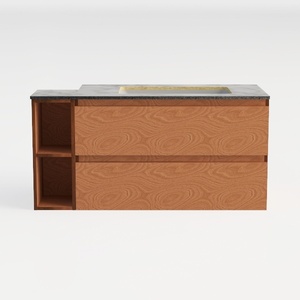
Modern Solid Wood Marble Top Bathroom Vanity Cabinet 3D Model

Modern Solid Wood Bathroom Vanity Cabinet with White Stone Top 3D Model
Discover the creativity of home design with Homestyler! This user-friendly platform offers an intuitive online design tool, stunning 3D renderings, inspiring design projects, and informative DIY video tutorials. Transform your living spaces effortlessly and unleash your inner designer today!
Concevez maintenant gratuitement
































