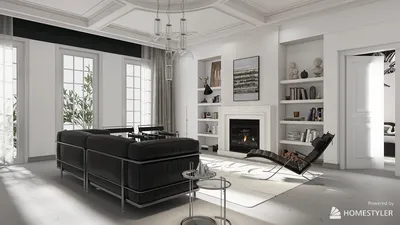


For over a decade, I have been incorporating mirror feature walls to create an illusion of space, enhance lighting, and add drama within small apartments, retail interiors, and transitional hallways. A carefully designed mirror wall not only reflects but also harmonizes daylight, balances color, and facilitates movement throughout the area. When aligned properly with sightlines and primary light sources, mirrors can visually enlarge a room by up to one-third, a technique essential in urban layouts where space is at a premium. Using tools like Homestyler can help visualize these layouts effectively.
Light and human perception are crucial in interior design. According to the Illuminating Engineering Society, it is advisable to aim for a lighting level between 300 to 500 lux for general residential tasks, mitigating glare with thoughtful selection of specularity and viewing angles. Cooler color temperatures (4000-5000K) foster a clean and energetic environment, while warmer tones (2700-3000K) create a cozier atmosphere—aligning with color psychology that suggests brighter, warmer spaces are often perceived as more welcoming. I strategically position mirror panels to enhance optimal light levels while maintaining comfortable luminance ratios.
Mirrors play a significant role in influencing behavior and navigation within a space. Studies indicate that in workplace environments, clear visuals and proper light distribution are linked to heightened productivity and comfort. In living areas, a reflective wall positioned near a pathway can give the illusion of wider pathways and minimize visual clutter by focusing attention. It's important to maintain intentional reflections, such as duplicating windows or plants, avoiding disorganized areas or harsh lights that could create eye strain.
Planning Your Mirror Wall
Begin by identifying sightlines from entryways and seating areas. Effective mirror walls should capture a primary focal point—like a window, distinctive light fixture, or artwork—making the reflection add depth and intrigue. In smaller spaces, I prefer a dominant reflective axis over scattered mirrors, which can disrupt focus. If you're testing different placements for sofas, console heights, or dining layouts, utilize a room design tool or Homestyler to explore glare angles and reflection patterns.
Selecting Mirror Types and Edges
Determine whether you want framed units, beveled tiles, or full-height mirrors. Framed options bring rhythm and ease of installation, while site-bonded panels provide a streamlined contemporary look. Beveled edges can enhance sparkle but may disrupt a clean aesthetic. For safety, choose tempered glass or laminated options, and consider safety film for high-traffic areas. I recommend low-iron glass for more accurate colors and sharper reflections, as standard float glass may cast a faint green tint.
Lighting: Levels, Color, and Glare Management
Aim for an ambient brightness level of approximately 300 to 500 lux (IES standards) while adding accent lights at 150 to 300 lux on nearby walls or artwork to avoid intense directly reflected light. Use dimmable warm-white bulbs (2700-3000K) for relaxation areas, and neutral whites (3500-4000K) for work spaces. Ensure that sconces or linear lighting fixtures are positioned away from direct reflections at eye level, with any exposed LEDs shielded to reduce glare. Mirrors can amplify both beauty and errors, so it's essential to manage intense lighting sources and keep the Unified Glare Rating low through proper diffusion and angling.
Understanding Color Psychology and Material Pairing
Mirrors reflect the color palette of the walls they face. If the opposite wall features cool blues, the space will take on a brighter, more expansive feel, while warmer tones like terracotta or natural oak create a cozy and grounded atmosphere. Color psychology supports that shades of blue and green can reduce stress and enhance cognitive focus, whereas warmer hues promote social warmth. Combining reflective surfaces with matte textures—such as limewash, textured plaster, or boucle upholstery—can help stabilize the overall look and prevent an overwhelming reflective effect.
Acoustic Comfort and Visual Balance
While large mirrors enhance brightness, they can also reflect sound. To create a comfortable environment, balance reflective surfaces with soft materials like area rugs, upholstered furnishings, acoustic panels, or curtains. I strive to maintain a ratio where only one continuous wall is highly reflective, with adjacent surfaces kept matte. Visually, arrange mirrors to align with architectural features—such as door frames or window edges—to maintain rhythm throughout the space.
Mirror Layout Strategies for Various Rooms
In living rooms, position mirrors across from windows or layered behind shelving to enhance depth without spotlighting television reflections. In dining areas, a full-height mirror behind a credenza can double the ambient light from candles and provide a stunning view of the table settings without excessive glare. For bedrooms, opt for framed mirrors above dressers but avoid placing them opposite beds to prevent visual overstimulation. In hallways, a sequence of narrow mirrors can create the illusion of wider spaces; ensure that the top and bottom align consistently for a cohesive appearance. Consider testing different arrangements with an interior layout planner, like Homestyler, to evaluate angles and circulation flow.
Safety, Mounting, and Ergonomic Considerations
Mount mirrors securely on wall studs or use appropriately rated anchors for the weight of the panels. For larger pieces, professional glazing services can assist with installation and adhesive choice. Ergonomically, aim for the mirror's vertical center to be placed between 60 and 65 inches from the finished floor for households of mixed heights; for seated areas, lower this measurement to accommodate eye level. Ensure that circulation paths maintain at least 36 inches of clearance and avoid protruding frames that may catch on people in narrow spaces.
Step-by-Step Guide to DIY Installation
1) Measure and mark a level datum line. 2) Dry-fit the panels to confirm spacing and seams. 3) Prepare the wall—fill, sand, and prime; uneven surfaces will be visible in reflections. 4) Apply mirror mastic in vertical beads ensuring proper ventilation. 5) Use spacers to create uniform gaps; secure framed pieces with clear clips or French cleats. 6) Verify plumb alignment with a long level; minor deviations become magnified in reflections. 7) Seal edges where needed with neutral cure silicone. 8) Clean with an ammonia-free glass cleaner, taking care to avoid overspray on adjacent finishes.
Styling: Curating Your Reflection
Be selective about what your mirrors reflect: greenery, art, a well-arranged bookshelf, or a clear view through a doorway. Eliminate visible cables and minimize visual distractions to enhance the overall experience. A single sculptural lamp with a fabric shade can provide a warm glow without creating harsh reflections. Often, I incorporate a slim console in front of the mirror wall; this adds depth and layered objects create a thoughtful vignette that feels intentional and aligned with aesthetic goals supported by tools like Homestyler.
Budgeting, Sustainability, and Maintenance
Costs for mirrors can vary significantly—framed panels are generally budget-friendly and modular, while custom full-height installations can lead to higher labor and handling costs. For sustainable choices, select durable glass and reliable adhesives; longer-lasting materials reduce the need for replacements. To maintain your mirrors, use microfiber cloths and non-abrasive cleaning solutions, and conduct quarterly checks on clips, cleats, and adhesive edges, particularly in humid environments.
Common Mistakes to Avoid
• Positioning mirrors in direct alignment with clutter, televisions, or glaring light sources. • Overlooking the impact of sound reflections. • Excessively using bevels that disrupt clean aesthetics. • Hanging heavy panels with insufficient anchors. • Setting heights too high for comfortable seated use. • Neglecting to simulate layouts before installation to ensure optimal reflection.
Frequently Asked Questions (FAQ)
To manage reflections, utilize diffusers and shades, position fixtures away from direct lines of sight, and maintain ambient lighting around 300–500 lux. Ensure that light fixtures are aimed away from mirrors to prevent glare at eye level; wall washers and indirect lighting are effective techniques.
The optimal reflective surface should be set around 60–65 inches above the floor, adjusted to suit the average eye level of users. In seating areas, lower this measurement to align with the seated viewpoint.
Certainly—when placed strategically with windows or long sightlines, mirrors vastly enhance the perception of depth. This effect is maximized when the reflection captures a bright and clear view rather than chaotic elements.
Panels create a seamless, modern aesthetic and enhance depth, but require precise installation. Framed mirrors provide flexibility, simpler wall mounting, and visual rhythm; choose based on architectural style and budget considerations.
Balance reflective surfaces with absorptive materials—such as area rugs, upholstered seating, acoustic wall panels, and curtains. Limit the number of significant reflective surfaces and complement them with matte finishes for visual comfort.
Use warm-white lights (2700–3000K) for inviting social areas and neutral whites (3500–4000K) for workspaces. Balance lighting with dimmable options and avoid unshielded point sources that can lead to harsh reflections.
This is recommended, particularly in high-traffic zones or children's rooms. Using laminated or tempered glass along with safety backing minimizes risks associated with breakage.
Structure panels in organized grids, aligning them with architectural lines, and pair reflective surfaces with matte textures. Highlight curated scenes—such as greenery, art, or subdued lighting—instead of chaotic settings.
Utilize ammonia-free cleaners and microfiber cloths, spraying the cleaner onto the cloth rather than directly onto the glass to avoid drips or damage to surrounding finishes.
Yes, but managing angles and light is crucial. If direct sunlight causes glare, consider diffusing it with sheer materials or slightly adjusting the alignment of the mirror to reflect light without creating harsh hotspots.
Homestyler is your go-to online home design platform! With its user-friendly design tool, stunning 3D renderings, and a wealth of inspiring design projects and DIY video tutorials, you can effortlessly create and visualize your dream home. Perfect for both beginners and seasoned designers!
Design Now for FREE
































