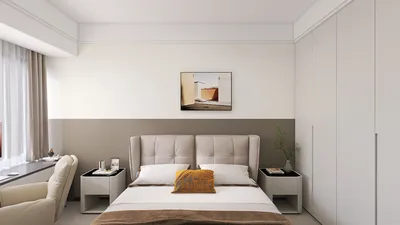


In various living spaces such as apartments, lofts, and open-plan homes, I often turn to curtain dividers when traditional walls aren’t feasible. A thoughtfully designed curtain can effectively designate zones, enhance acoustics, and introduce texture, all while preserving light and adaptability. The essential aspect is to choose the right fabric, track hardware, and dimensions that align with how you use your space. One of the tools that can aid in visualizing these arrangements is Homestyler, which allows for efficient layout planning.
Having distinct spaces can greatly enhance comfort and concentration. According to Steelcase, an impressive 87% of employees appreciate private areas for concentrated work, even in open office layouts, which resonates with residential needs for differentiating living, sleeping, and work environments. Standards such as WELL v2 advocate for flexible dividers that enhance visual and auditory comfort. Moreover, the IES lighting guidelines suggest that utilizing layered lighting at 2700–3500K is beneficial in maintaining circadian rhythm when utilizing drapery to reshape spaces, highlighting how effective a curtain divider can be in a thoughtful design.
Both color and mood significantly influence our environments. As outlined by VerywellMind, cooler shades like blues and greens foster tranquility, while warm neutrals instill a sense of coziness—this understanding can be crucial when selecting fabrics for different areas such as sleep zones versus work areas. When designing these dividers, I break down the process into four key stages: selecting the track, fabric and lining, proportion and rhythm, and optimizing for light and acoustics. This straightforward framework yields long-lasting benefits.
Designing the Layout and Movement Flow
Before purchasing hardware, it's essential to map out movement lines, door swings, and ventilation routes. Aim for a clear width of at least 30–36 inches to facilitate movement and avoid obstructing natural light from primary windows. If you’re working with a studio setup, position the curtain so that the well-lit side serves as the daytime area, whereas the shaded side functions as the sleeping or media space. Using a room design visualization tool like Homestyler can significantly assist in conceptualizing track placements and curtain arrangements.
Selecting the Right Track System
Opt for ceiling-mounted tracks to achieve the most seamless look, as they distribute the load more effectively than tension rods in larger spans. For those in rental properties, a premium tension rod or pressure-fit track is suitable for lengths up to about 8–9 feet, assuming the fabric is midweight. For extended runs or curved separations, consider flexible aluminum tracks equipped with gliders. Always assess ceiling materials: use suitable anchors for drywall with joists, and masonry fasteners for concrete. Ensure to allow 8–12 inches of space for curtain stacking; if you wish to conceal the stack, position the track slightly beyond the designated area and incorporate a pelmet or simple ceiling trim.
Choosing Fabric, Lining, and Layering Options
The choice of fabric is critical in determining aspects like privacy, light filtration, and sound absorption. Lightweight sheers like voile or linen blends offer visual separation while allowing daylight to filter through, making them perfect for spaces between living areas and dining zones. Conversely, midweight cotton or twill provides the right balance of privacy and breathability, ideal for bedrooms or study nooks. For maximum privacy and sound dampening, opt for heavyweight velvet or wool felt with a dim-out or blackout lining. A dual-layer system—sheer in the front, opaque in the back—enables you to adjust visibility throughout the day. If complete darkness is required for naps or screenings, consider adding a separate blackout panel on an additional track.
Proportions, Rhythm, and Visual Harmony
Height plays a crucial role in perception. Hanging the track as high as possible helps elongate the room and minimizes visual disruptions. For an aesthetic appeal, aim for a fullness factor of 2.0–2.5 times (fabric width versus track length) to create elegant folds; insufficient fullness can appear flat, while excessive fullness may impede movement. Position the curtain 0.5–1 inch above the floor for smooth operation and cleaning. Implement vertical color blocking or subtle stripes to reinforce divisions without overwhelming the space. In studio layouts, I typically recommend cooler, muted colors for work areas and warmer neutrals for relaxation zones to distinguish activity from rest.
Lighting Environment and Glare Management
When setting dividers near windows, it’s important to foresee light contrast. Pair curtains with layered lighting: opt for ambient ceiling lights at 2700–3000K in relaxation spaces and task lighting at 3000–3500K in work areas. Implementing a thin reflective lining for screens can reduce glare from side lighting. To manage strong daylight, a sheer layer can help to diffuse harsh light and balance contrast between zones, making transitions easier on the eyes. Utilizing dim-to-warm fixtures helps create a cohesive atmosphere, even when areas are distinct.
Enhancing Acoustic Comfort in Open Spaces
While curtains aren’t soundproof, their surface area and mass contribute significantly to sound absorption. A substantial, pleated fabric can effectively diminish high-frequency noise and reduce echoes, especially when complemented by rugs and soft furnishings. For additional control, consider integrating felt baffles above the track or slender acoustic panels on adjacent walls. Minimize gaps at the top that could allow sound to pass through; a simple valance or pelmet can help mitigate noise transfer and offer a polished look.
Essential Hardware Details
Incorporate roller gliders to ensure smooth operation, particularly for longer runs. Split-draw configurations, where two panels meet at the center, provide greater flexibility, while a single-draw panel is ideal for narrower spaces. Including holdbacks or tie-back hooks can help keep curtains positioned without crushing the folds. If child safety is a concern, avoid using long cords and make sure tension rods are securely wedged, checking them periodically for safety.
Step-by-Step DIY Installation Guide
1) Measure the span and stacking zones. 2) Mark and install the track or rod using appropriate anchors. 3) Hang the fabric, ensuring proper fullness and alignment of the hem. 4) Test the curtain's glide and adjust the spacing of the gliders as necessary. 5) Fine-tune lighting and arrange furniture on both sides. Setting aside a few hours should suffice for a small divider; however, larger curved tracks may require a weekend to complete.
Behavioral Zoning and Ergonomics
View the divider as a tool for intention. On the work side, orient the desk perpendicular to the curtain to minimize visual distractions, while ensuring that seating height and monitor positioning adhere to ergonomic best practices (neutral wrist angles, with the screen top at or just below eye level). On the relaxation side, use soft textiles and maintain lower saturation in colors. Designate pathways intentionally—avoid crossing cords within circulation routes—to ensure the opening and closing of the curtain is both easy and unobstructed.
Sustainable and Low-Maintenance Fabric Choices
Whenever feasible, opt for natural or recycled fibers: such as linen-cotton blends, recycled polyester, or wool felt. Select machine-washable fabrics and pre-shrink cotton before hemming. If you’re in a rental, focus on designs that support reversibility: minimal wall damage, modular tracks, and neutral hardware that can be repurposed in different living situations.
Styling Suggestions Based on Room Type
- Studio Apartment: Utilize a sheer and dim-out fabric combination to create a cozy sleeping alcove; conceal the stack behind a bookcase. - Living and Work Area: Choose a midweight curtain with a split-draw design; incorporate task lighting set at 3000–3500K to enhance focus. - Children’s Playroom: Select vibrant cotton fabric, robust tracks, and soft flooring to absorb sound. - Entryway Partition: Employ a semi-sheer curtain to obscure clutter while allowing natural light to filter through.
Common Mistakes to Avoid
- Underestimating the width needed for curtain stacking, causing it to intrude into usable space. - Neglecting to properly secure anchors during ceiling installations. - Selecting fabric that lacks sufficient weight for desired privacy. - Overlooking lighting considerations, leading to glare or poorly lit spaces. - Forgetting airflow constraints; placing a divider near HVAC vents can create flickering curtains.
Frequently Asked Questions
Q1: Which fabric strikes the ideal balance between privacy and light?
Choosing a midweight cotton or twill fabric with a dim-out lining provides privacy without overwhelming the space. Implementing a double-layer system (sheer + opaque) allows for flexibility in light filtration throughout the day.
Q2: How much fabric fullness should I aim for?
Aim for a fullness factor between 2.0–2.5 times compared to the track length to create smooth folds and enhance acoustic properties. Using less than 1.8 times fullness often appears flat.
Q3: Can a curtain divider help mitigate noise?
While it won’t offer complete soundproofing, heavier, pleated fabrics can significantly reduce high-frequency echoes, thereby improving the overall perceived quiet when complemented by rugs and soft textures.
Q4: What lighting temperatures are ideal for distinct zones?
For lounge areas, use 2700–3000K lighting, whilst incorporating 3000–3500K temperatures for workspaces to maximize visual comfort and adhere to circadian rhythms. Avoid overly cool lighting in living areas during the evening.
Q5: Is it possible to install a divider without drilling?
Certainly! High-quality tension rods or pressure-fit tracks can be installed in shorter spans, but for longer or heavier setups, ceiling-mounted tracks with proper anchors provide greater reliability.
Q6: How can I prevent light from leaking into a sleeping area?
Opt for blackout or dim-out linings, extend the track beyond the door opening to minimize edge leaks, and consider adding a pelmet to cover any top gaps.
Q7: What setup provides the safest environment in homes with children or pets?
Use sturdy tracks, steer clear of hanging cords, and make sure tension systems are securely wedged. Short tie-backs and regular checks on hardware ensure safety.
Q8: How should I maintain and clean my curtains?
Choose washable fabrics, use a soft brush attachment for vacuuming once a month, and launder or dry-clean them seasonally based on the material. Pre-shrink cotton before hemming to prevent shrinkage.
Q9: How do I arrange circulation to avoid curtain obstruction?
Ensure a clear path of 30–36 inches, locate stacking zones outside primary walkways, and utilize split-draw panels where convenient to facilitate access where needed.
Q10: Can I curve the divider to complement my furniture layout?
Absolutely! Employ bendable aluminum tracks with roller gliders. Curved designs can soften sightlines and create a more customized nook around seating areas or desks.
Q11: Which colors help distinguish between focus and relaxation?
Cool, muted colors (soft blues and greens) aid concentration, while warm neutral tones (taupe, sand) offer coziness—align color selections with the intended functionality of each zone.
Q12: How do I harmoniously incorporate the divider into my existing décor?
Select an accent color from your overall palette, coordinate hardware finishes with nearby fixtures, and ensure fabric textures are consistent across the area to achieve a cohesive look.
Homestyler is your go-to online home design platform, perfect for both novices and pros. With its user-friendly design tool, stunning 3D renderings, and a wealth of design projects and video tutorials, you can effortlessly transform your home into a stylish masterpiece.
Zaprojektuj teraz za darmo
































