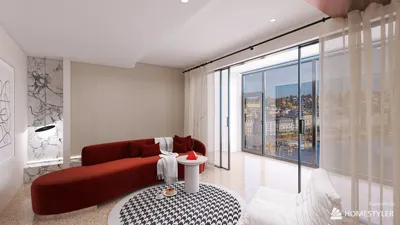


Perungalathur has evolved into a commuter-friendly destination, appealing to students, professionals, and families seeking efficient access to GST Road and suburban rail, all while maintaining affordable rent. My preference leans towards rooms that blend natural light, airflow, and sound management—thoughtful design can transform a small space into a feeling of openness through proper proportions and materials. According to Steelcase research, workspaces that are intentionally designed report a 13% boost in perceived productivity, and implementing these concepts in small rooms, including layout, lighting, and noise management, can yield similar benefits.
Comfort is quantifiable. The WELL v2 guidelines suggest ambient illumination levels of 300–500 lux for most tasks, paired with warmer color temperatures (2700–3500K) in relaxation areas to assist with evening wind-down; I adapt these recommendations for bedrooms and inviting areas to aid in maintaining a consistent circadian rhythm. Noise is a key factor in the bustling corridors of Perungalathur—Steelcase identifies unwanted noise as a prevalent complaint, and basic solutions (such as soft furnishings, area rugs, and lined curtains) can significantly reduce perceived echo without extensive renovations. For efficient planning, utilizing a layout simulation tool can help evaluate furniture arrangements before committing to a lease.
How to Rapidly Select a Room in Perungalathur
I begin with three criteria: commute convenience, ventilation effectiveness, and flexibility of layout. If you’re located near the Perungalathur railway station or the bus services along GST Road, it’s wise to check peak travel times for both walking and driving. In the hot climate of Chennai, cross-ventilation is essential—having two operable openings on opposing walls contributes to stable indoor temperatures and decreased humidity. When considering layout, I favor uninterrupted wall spans of at least 2.4–3.0 meters; this length facilitates the placement of a bed alongside storage without constricting movement. If a listing includes a floor plan, use a room layout tool to confirm bed placement, wardrobe clearances, and the angles for desk lighting.
Ways to Alter Layout That Make Compact Rooms Seem Larger
Compact living spaces feel more spacious when furniture placement respects movement pathways. I seek a minimum clearance of 750–900mm around central pieces (like beds and desks) and position tall storage against the shortest wall to minimize visual heaviness. A convertible desk-and-shelf unit can serve as a micro workspace by orienting the desk towards incoming light, thus preventing screen glare. If the room has access to a balcony or service area, arranging seating to face this opening can create a light-filled environment. Utilizing an interior layout planner with scale blocks can ensure that doors and windows can operate freely without obstruction.
For those sharing the space, I recommend zoning the area with sound-absorbing elements: place a rug under the work area, use an upholstered headboard for sleeping, and install fabric panels on the wall adjacent to the corridor. Steelcase’s findings indicate that mitigating noise distractions is crucial, making it essential to create a separation between areas prone to noise and those focused on work; even lightweight felt panels can significantly reduce echo in rectangular rooms.
Lighting, Color, and Atmosphere in Chennai’s Humidity
The quality of light shapes the ambiance of a room throughout the day. I combine a 4000K task lamp on my desk with 3000K ambient lighting to minimize glare and promote concentrated work without being harsh. The WELL v2 guidelines for lighting performance set a valuable benchmark; it’s optimal to align desk orientations to prevent direct sunlight on screens between 10 a.m. and 3 p.m., as Chennai's sun can create overwhelming glare. Color psychology supports the use of lighter, muted tones in small rooms; soft greens or dusty blues can instill calmness without making the space feel smaller, while warm neutrals on the largest wall can enhance perceived brightness.
Durable Materials for Heat Resistance and Enhanced Comfort
Opt for machine-washable cotton or linen curtains with a light-blocking liner to mitigate heat gain; woven jute or low-pile rugs provide sound absorption and dry swiftly after cleaning. Veneered plywood wardrobes are more effective than MDF for managing humidity in coastal settings. For desks, select matte finishes to reduce glare—prioritizing surfaces with lower sheen levels can be beneficial. Furthermore, consider adding a small HEPA-filter fan or plan to cross-ventilate by opening windows during peak traffic times to ensure good air quality indoors.
Maximizing Ergonomics for Your Desk and Bed
Attention to human factors is crucial, even in a 10–12 sq m space. Aim for a desk height around 730mm, paired with an adjustable chair; having forearms parallel to the floor and feet flat can reduce discomfort. Position the screen so that it rests at or just below eye level. For the bed, it’s best to leave 900mm of clearance on one side if space permits, and utilize under-bed storage bins with soft-close lids to minimize disturbances at night. In shared accommodations, consider a twin bed paired with a fold-down daybed in lieu of a bulky double bed, as this configuration enhances movement and zoning potential.
On-Site Inspections Prior to Lease Signing
I personally verify details: check water pressure at the faucet, fan efficiency, window seals, and nighttime noise levels by standing near entry points. Use a wide-angle shot on your smartphone to capture the room, then employ a room design visualization tool, like Homestyler, to check furniture sizing. Ensure accessibility of power outlets near both the desk and bed; having two circuits can reduce reliance on extension cords and minimize heat accumulation. The sun's trajectory is also important—east or north-facing rooms generally receive cooler light, while west-facing rooms may require heavier drapes.
Financial Considerations and Value in Perungalathur
Rental prices vary depending on closeness to public transport and the age of the unit. Be sure to account for utilities, deposits, and basic enhancements such as curtains, rugs, and task lamps. An optimized setup proves more economical than relocating frequently—if the layout, lighting, and acoustic environment are conducive, your productivity and sleep quality will compensate for the rent.
Essential Items to Arrange First in Your New Space
- Task lamp (4000K) and warm ambient light bulb (3000K)
- Rug appropriately sized for the work area (provides sound benefit)
- Two layers of curtains: sheer and lined
- Surge protector power strip located near the desk
- Foldable shelves or wall-mounted hooks for vertical storage
- Matte desk mat to decrease glare
- Basic toolkit: measuring tape, level, screwdriver
Foundational Resources
In designing compact rooms, I rely on research. The WELL v2 guidelines provide valuable insights on lighting and comfort standards, while Steelcase offers information on noise and productivity. For additional knowledge, refer to WELL v2's performance lighting ranges and Steelcase's studies on workplace acoustics and productivity.
Discover validated standards and research: WELL v2 and Steelcase research.
Utilize this room layout tool, such as Homestyler, to simulate furniture arrangements and movement flow before relocation.
Frequently Asked Questions
Q1. What lighting levels should I seek in a compact rental room?
A1. Maintain ambient light around 300–500 lux and higher task lighting at the work area; ambient lighting of 3000K and task lighting near 4000K can harmonize comfort with focus, aligning with the data from WELL v2.
Q2. How can I manage noise without renovations?
A2. Layering soft materials—like rugs, lined curtains, and an upholstered headboard—can greatly absorb sound. Place felt panels on walls facing shared spaces and position desks away from adjoining walls. Steelcase research emphasizes that noise reduction strategies are vital, so zoning will also assist.
Q3. What wall colors can make a small room appear larger?
A3. Utilize low-saturation light shades like pale green, soft gray, or dusty blue to enhance brightness without glare. Keeping the largest wall in a warm neutral can help to avoid a cramped feeling.
Q4. Which furniture dimensions should I verify before leasing?
A4. Ensure you have uninterrupted wall lengths of 2.4–3.0 meters for a bed and wardrobe, and allow 750–900mm of clear pathways for movement. It’s essential to check that door and window openings don’t interfere with your furniture placement.
Q5. Is cross-ventilation indeed crucial in Perungalathur?
A5. Absolutely. Two operable openings on opposite walls help regulate temperature and humidity in Chennai’s climate, lessening the need for air conditioning and enhancing indoor air quality.
Q6. How can I reduce screen glare if my desk faces a window?
A6. Position the desk such that light comes from the side, employ a matte desk surface, and add sheer curtains for diffusing direct sunlight. Utilize task lighting set at around 4000K with a diffuse shade to maintain comfort.
Q7. What’s the quickest method to assess a layout prior to moving in?
A7. Take a photo of the room, take note of wall dimensions and door swings, then input a scaled plan into a tool like Homestyler. Test bed orientation, wardrobe space, and desk location relative to light and electrical outlets.
Q8. Any material suggestions for handling humidity and upkeep?
A8. Select curtains made of linen or cotton with a liner, utilize low-pile rugs, went towards veneered plywood for wardrobes, and select matte furnishings to minimize glare. It's best to prioritize washable, breathable materials.
Q9. How can I accommodate two people without making the space feel cramped?
A9. Use a twin bed alongside a fold-down daybed, designate sleep and workspace with a rug and shelving, and keep tall storage confined to one wall. Ensure 750mm of clear pathways for movement, and consider sharing a task lamp with an adjustable arm for convenience.
Q10. Which room orientation offers a cooler environment?
A10. East or north-facing rooms welcome softer light and reduce afternoon heat; west-facing rooms benefit from heavier draperies and lighter wall colors.
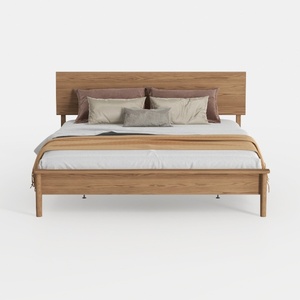
Minimalist Solid Oak Wood Platform Bed with Headboard 3D Model
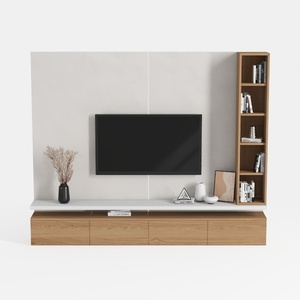
Minimalist Solid Wood White Top TV Stand With Side Bookshelf 3D Model

Minimalist Oak Metal Dining Table Modern Simple 3D Model
Homestyler is the ideal online home design platform to unleash your creativity. With its user-friendly design tool, stunning 3D renderings, and a wealth of DIY video tutorials, you can effortlessly create beautiful spaces and explore countless interior design projects. Perfect for every skill level!
Concevez maintenant gratuitement
































