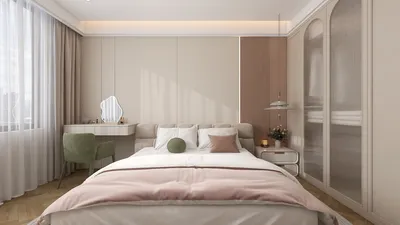


In small spaces, it's imperative to choose the right speakers and position them accurately. I focus on models that provide a good balance of controlled sound distribution, clean low-frequency performance, and appealing aesthetics, ensuring that the audio feels rich without introducing excessive boominess. In confined areas, the directionality of speakers and how they interact with their surroundings are more crucial than just the power output. Research from Steelcase highlights the link between environmental quality and performance, showing that acoustics play a vital role in sensory environments that enhance cognitive focus (Steelcase research). The WELL v2 framework also emphasizes the importance of sound management on mental health, identifying connections between background noise, distraction, and stress levels in its Sound concept (WELL v2).
Defining measurable objectives helps in setting realistic expectations. For living spaces smaller than 150 sq ft, I seek a speaker that can deliver accurate sound down to about 50–60 Hz, complemented by a subwoofer that crosses at around 80 Hz to prevent sound localization. As indicated by the Illuminating Engineering Society, comfortable background sound levels ideally range between 30–40 dBA at rest (IES/standards). Achieving this is easier with speakers that have a stable off-axis response and are not placed against walls. Additionally, color and material choices can influence sound perception; according to Verywell Mind’s color psychology, cool tones can create a calmer environment and reduce perceived loudness, which is particularly beneficial when designing systems intended for relaxation (VerywellMind color psychology).
Top Compact Speaker Recommendations
I emphasize the importance of compact speakers that excel in nearfield listening. The following categories illustrate how I select speakers based on the dynamics of the room rather than solely on specifications.
A well-designed bookshelf speaker with controlled porting is ideal for smaller rooms. Look for a model featuring a 5–6.5" woofer, a smooth off-axis response, and a rear port that comes with optional foam plugs. Position the speaker 6–10 inches from the wall, angling it slightly towards the main seating area. This setup helps to mitigate boundary-induced bass increase while maintaining clarity in the midrange frequencies.
On-wall or shallow-depth speakers can effectively minimize floor clutter and enhance symmetry. Choosing either sealed or front-ported designs ensures tighter bass near boundaries and simplifies placement near entertainment consoles. I often complement these setups with a compact sealed subwoofer placed next to a cabinet, ensuring clarity is maintained while covering lower frequency ranges.
Nearfield powered monitors perform exceptionally well at listening distances of 2–4 feet. The design of their waveguides controls sound dispersion, allowing direct sound to reach the listener before reflections. Employing slight decoupling methods, such as foam pads or isolation platforms, can help reduce unwanted vibrations caused by surfaces. Additionally, applying a gentle low-shelf EQ below 100 Hz can help maintain an even response even at lower volumes.
Smart speakers with room equalization features are advantageous in rental properties. I specifically look for models with adaptive algorithms that manage bass well and provide voice control for quick adjustments. Placing them off corners on a shelf at ear level, with a slight outward angle, can mitigate boundary interactions while still delivering a compelling soundstage.
Essential Placement and Layout Guidelines
Small rooms necessitate a careful layout to avoid issues like comb filtering and excessive bass. When arranging furniture and determining speaker placement, using a room layout tool can help visualize symmetry and listening distance. Aim to create an equilateral triangle between the two speakers and the main listening position, keeping speakers 6–24 inches away from walls based on port design, and avoiding symmetrical placements that might exacerbate standing waves.
Acoustic Comfort and Human Factors
Listening comfort transcends mere loudness; it involves the interaction between the space and the listener. To enhance acoustic comfort, I incorporate soft materials such as rugs, curtains, and upholstered furniture to improve mid/high-frequency absorption and achieve a moderate RT60 of around 0.3–0.5 seconds in small rooms. This approach preserves transient clarity without dulling the acoustics. Ensuring ergonomic seating height aligns with ear level and keeping reflective surfaces out of the first-reflection path are also crucial for optimal sound clarity.
Strategies for Low Frequencies
Low frequencies often pose challenges in smaller rooms. Utilizing a compact sealed subwoofer placed near the front wall and set near 80 Hz can effectively smooth low-frequency response without leading to localization issues. Should bass frequencies become concentrated, repositioning the sub along the wall using the crawl method can help identify the best placement to mitigate modal peaks. Instead of boosting nulls, decreasing the volume by 2–3 dB using EQ at peak frequencies often yields better results and reduces distortion.
Understanding Power, Sensitivity, and Proximity
High-powered amplifiers aren't always necessary for nearfield listening. An amplifier with a power output of 30–60 W per channel can effectively drive efficient compact bookshelf speakers, while powered monitors simplify the audio chain. Sensitivity ratings within the range of 85–88 dB/1W/1m are adequate for small rooms; with short distances between the listener and speakers, clean sound pressure levels can be achieved without strain. Prioritizing high-quality amplification and DACs can capture microdetails even at lower listening volumes.
Material Choices and Visual Cohesion
Select speakers that blend seamlessly into the decor to lessen cognitive load in smaller environments. Opt for matte finishes and neutral-tone fabrics to reduce reflections and create a calming atmosphere. Sustainable materials such as FSC-certified cabinetry and low-VOC finishes align well with wellness objectives. Subtle cues from color psychology, like muted blues and greens, can enhance a sense of spaciousness while encouraging relaxed listening experiences.
Emerging Trends in Small-Room Audio for 2024-2025
Recent trends indicate advancements in intelligent digital signal processing with auto-equalization, compact sealed subwoofers tailored for apartments, and more controlled directivity waveguides in compact speakers. Improvements in wireless technology are enhancing latency and reliability, allowing for multi-room audio setups even in constrained spaces.
Quick Setup Checklist for Small Rooms
- Establish an equilateral triangle; ensure tweeters are at ear level
- Maintain a distance of 6–10 inches from the wall for rear-ported designs; closer for sealed options
- Angle speakers inward until the inner edges are barely visible
- Introduce a small rug between the speakers and seating area to minimize floor bounce
- Utilize isolation pads for desk setups
- Aim for ambient sound levels of about 30–40 dBA when at rest (IES/standards)
Frequently Asked Questions (FAQ)
Bookshelf speakers equipped with 5–6.5" woofers or compact on-wall models provide a good blend of bass extension and flexible placement options without excessively exciting room modes.
A compact sealed subwoofer crossed near 80 Hz can impart depth without overwhelming the room. Position it near the front wall and fine-tune placement to even out bass peaks, ensuring not to boost nulls.
For rear-ported speakers, allow for 6–10 inches of clearance; sealed or front-ported designs can be placed closer. Adjust placement based on the sound quality regarding bass response and imaging.
To ensure enjoyable listening experiences, target ambient sound levels around 30–40 dBA and peak listening levels between 70–75 dB SPL. This strikes a balance between preserving audio detail and preventing listener fatigue, as noted by IES guidelines.
Incorporate soft furnishings like rugs and curtains to help manage RT60, keeping shiny surfaces away from initial reflection points; slight speaker angling can also help direct sound more effectively to listeners.
Powered monitors streamline the audio setup and come equipped with waveguides and DSP features ideal for nearfield listening. On the other hand, passive bookshelf speakers provide more opportunities for upgrades in amplifiers and DACs, giving more versatility based on listening preferences and distance.
Smart speakers with adaptive room EQ can be quite effective in smaller areas. Place them away from corners and at ear level, using modest EQ adjustments to ensure sound clarity.
Opt for materials that reduce visual and acoustic reflections; a calming color palette can help lower the perceived loudness of the audio environment. These design choices contribute to a more soothing listening atmosphere.
Ensure that symmetry and clear sightlines to the speakers are maintained; employing a room layout planner can assist in organizing the placement of seating and speakers, while keeping the main seat centered and avoiding large reflective units in critical paths.
Certainly, while maintaining a compact setup, prioritize correct angles and heights over larger driver sizes. Using wall mounts can free up floor space, and it's crucial to carefully calibrate sound levels to prevent overwhelming the space.



Homestyler is a user-friendly online home design platform perfect for anyone looking to create stunning interiors. Utilize its powerful design tool, explore a vast library of 3D renderings, and access inspiring DIY video tutorials to transform your home effortlessly. Start your design journey today!
تصميم الآن مجانا
































