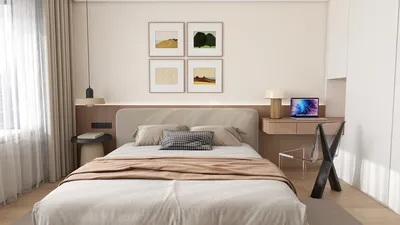


Maximizing the functionality of small-space wardrobes requires smart design choices—these include sliding doors that glide rather than swing, adjustable shelves that adapt to various storage needs, and effective lighting that simplifies item selection. When I tackle compact storage design, I employ the same meticulous principles I apply to kitchen layouts, focusing on precise measurements, convenient reach zones, and durable materials. When designed correctly, a wardrobe fitting into a 1.2 to 1.5-meter wide space can accommodate a variety of hanging and folded items while maintaining an uncluttered appearance, making tools like Homestyler invaluable in visualizing these elements.
Effective storage planning adheres to established standards. According to the WELL v2 Light concept, an illumination range of 300 to 500 lux supports ambient activities while tasks requiring detail benefit from 500 to 1,000 lux; the upper end is especially important in wardrobe interiors to accurately differentiate colors and textures. Research by Steelcase correlates enhanced environmental conditions with improved productivity, emphasizing the critical role of controllable LED lighting alongside organized spaces in small homes. Cool color choices, as summarized by Verywell Mind, can further diminish visual bulk, allowing compact wardrobes to exude a sense of calmness.
The performance of a small wardrobe is directly influenced by adequate clearances and visibility. I consistently implement IES guidelines to achieve a uniform, low-glare distribution of light, targeting a Color Rendering Index (CRI) of 90 or above to ensure fabrics are color-accurate—essential for matching attire. For micro-apartments, an internal hanging depth of 600 mm together with double-hang sections at adjusted heights of 900 to 1,000 mm significantly enhance capacity. Adjustable shelving with 250 to 300 mm spacing is ideal for storing knitwear without causing damage.
Focusing on the Envelope: Openings, Depth, and Door Strategies
Commence design with the outer shell: if swing clearance is limited, opt for full-height sliding or bi-fold doors. I recommend soft-close sliders with aluminum frames to ensure uninterrupted sightlines. In ultra-narrow hall spaces, consider pocket doors or open-shelf designs utilizing fabric panels to eliminate the bulk of traditional doors. Retain an internal depth of 550 to 600 mm for adult hangers; dimensions any smaller risk causing unwanted creases. Incorporate a sleek top track to visually maintain ceiling heights.
Effective Layouts for Micro Wardrobes
I categorize clothing types into distinct zones: designate double-hangs for shirts and jackets, a single long-hang bay for dresses and coats, and utilize a modular shelf system for sweaters and jeans. Implement pull-out trouser racks and shallow drawers for undergarments and accessories. When organizing narrow bedrooms, a room layout tool should be used to simulate circulation paths and door swings, ensuring accessibility around bed and desk areas, thus avoiding tight pinch points and ensuring the wardrobe integrates seamlessly into the room.
utilize a layout tool for planning
Lighting Solutions That Create a More Spacious Feel
Implement layered lighting: install continuous LED strips along vertical stiles to illuminate the entirety of the wardrobe and a top diffused panel to soften harsh shadows. Set wardrobe lighting to 700 to 800 lux for selection tasks, while adjusting the color temperature between 3,000 and 3,500K to complement warm wood tones while preserving color accuracy. Motion sensors are beneficial for small spaces; toe-kick LED strips provide gentle navigation at night.
Understanding Color Psychology and Surface Finishes
In confined rooms, I favor using low-saturation, mid-lightness color schemes—such as soft greys, pale taupes, and cool off-whites—to minimize visual density. Matte surfaces help to reduce glare, and vertical grain laminates create an illusion of increased height. For spaces lacking natural light, incorporating mirror panels or fluted glass can enhance volume perception without exposing clutter. Accent interiors with a slightly darker color to frame the contents attractively while avoiding a washed-out effect.
Prioritizing Ergonomics: Reach, Handle Design, and Motion Mobility
Store frequently used items between 800 and 1,400 mm above the floor for ease of access. Choose recessed pulls or sleeker edge profiles to lessen snags in tight corridors. Full-extension drawer slides allow visibility of the back portion of drawers, preventing the loss of items. In children’s wardrobes, lower the hanging rail to 1,000 to 1,100 mm and consider a built-in step in the toe-kick for added convenience.
Innovative Storage Solutions
Employ a 60/40 division: allocate 60% for hanging storage in urban wardrobes that frequently store shirts and outerwear, and 40% for shelves and drawers for folded items. Shoe storage should have drawers measuring 120 to 160 mm in height fitted with angled tiers to maximize depth efficiency. Incorporate a slim pull-out mirror; it conserves wall space and aids with dressing in tight quarters. Magnetic side panels keep accessories organized—items like hats, scarves, and jewelry are easily contained without taking up shelf space.
Addressing Acoustic and Tactile Comfort in Wardrobes
Utilizing soft-close mechanisms and felt-lined drawers minimizes noise—an important consideration in compact apartments. Positioning wardrobes beside a bed calls for the avoidance of noisy hangers; opt for velvet or rubberized hangers instead. Fabric-covered door panels can absorb sound while offering an appealing texture.
Focus on Sustainable Materials and Durability
Selecting low-VOC laminates and FSC-certified plywood for frames is essential. Powder-coated aluminum structures resist warping and maintain precise tolerances for sliding systems. For superior longevity, I prefer melamine for interiors combined with ABS edge banding, as these withstand daily wear better than standard painted MDF. Ensure ventilation gaps at the back exist to prevent odors, a must in compact designs.
Seamless Integration into Small Bedrooms
Blend wardrobes into the room’s architecture; consider wrapping the design around door frames or stretching it wall-to-wall for a streamlined appearance. A shallow bridge cabinet situated over the bed optimizes storage while balancing the visual weight of the room. For irregular niches, a layout simulation tool is crucial in confirming door clearance and travel before moving forward with custom builds.
leverage a layout simulation tool for projects
Budgeting and Project Phasing
I advocate for phased improvements: begin with adjustable rails and shelves before adding drawers and lighting. High-quality hardware is essential; poor-quality sliders can detract from overall aesthetics. I typically allocate 20 to 30% of the wardrobe budget to lighting and fittings, as functionality greatly relies on these features.
Essential Checklist for Maximizing Small Wardrobe Utility
- Minimum internal depth should be 550–600 mm for adult hangers.
- Incorporate double-hang sections to double storage capacity.
- Install LED strips along stiles paired with a diffused overhead panel to achieve approximately 700–800 lux of illumination.
- Ensure CRI is maintained at ≥90 for true color representation.
- Utilize adjustable shelves with 250–300 mm spacing for versatile storage.
- Implement recessed pulls, soft-close mechanisms, and full-extension runners for efficiency.
- Choose matte finishes, vertical grains, and light mid-tone colors to enhance aesthetics.
- Include ventilation channels and opt for low-VOC materials for healthy indoor air quality.
Key Questions and Answers
Q1: What is the recommended depth for small wardrobes?
A1: Aim for an internal depth of 550–600 mm to accommodate standard hangers without crushing fabrics. Anything shallower compromises functionality for adult clothing.
Q2: How bright should the lighting be inside a wardrobe?
A2: Aim for a brightness level of 700 to 800 lux within the wardrobe for task-oriented selection, adhering to the lighting levels specified in WELL v2 and ensuring a CRI of ≥90 to render colors accurately.
Q3: Should I opt for sliding or hinged doors in compact spaces?
A3: Sliding doors save valuable swing space and promote an open flow; hinged doors can work if there’s enough clearance of 800–900 mm; bi-fold options provide a balanced solution when full swing isn’t feasible.
Q4: How to efficiently organize when folded clothes outweigh hanging items?
A4: Adapt a 40/60 split in storage—40% hanging and 60% allocated to shelves and drawers. Adjust shelf spacing to 250–300 mm and incorporate full-extension drawers for smaller items.
Q5: What color schemes make a small wardrobe feel airier?
A5: Favor low-saturation, mid-light palettes—soft greige or off-white colors diminish visual weight. Shades with cool undertones can create a tranquil atmosphere, as noted in color psychology literature.
Q6: How to accommodate long dresses and coats in a limited design?
A6: Dedicate a single-hang section at heights of 1,600 to 1,800 mm. In cases of restricted depth, consider employing a pull-down rail (or lifts) to ensure accessibility for long garments without extra effort.
Q7: Are motion sensors beneficial for energy savings in compact spaces?
A7: Absolutely. They aid in energy conservation and enhance convenience. Pair with dim-to-warm LED lighting to reduce nighttime glare while preserving pleasant wood textures.
Q8: What are the best materials for high-traffic small wardrobes?
A8: Select durable materials like melamine for interiors with ABS edging, powder-coated aluminum frameworks, and reliable soft-close mechanisms. Prioritize low-VOC surfaces to ensure comfortable indoor air quality.
Q9: How can I optimize shoe storage in a compact design?
A9: Incorporate angled pull-out drawers for shoes measuring 120–160 mm in height; they efficiently utilize space while maintaining visibility. Consider vertical side racks for organizing flatties and sandals.
Q10: Can lighting solutions resolve issues with color mismatching?
A10: Definitely. Proper lighting is essential; maintain a CRI of ≥90 and a color temperature between 3,000 to 3,500K to ensure fabrics are accurately represented. Including a pull-out mirror further assists in final color matching.
Q11: What are quick solutions if I’m on a budget?
A11: Begin by adding adjustable rails, shelf pins, and improving hanger quality. Following that, install LED strips with sensors for enhanced usability without extensive renovations.
Q12: How to verify dimensions before committing to custom cabinetry?
A12: Utilize an interior layout planner to accurately simulate clearances, door paths, and accessibility around beds or desks, ensuring the wardrobe fits comfortably within the space available.
Homestyler's roots trace back to Autodesk, the global leader in design and engineering software. That heritage lives on in every feature we build. Today, with a community of more than 18 million users worldwide, Homestyler continues to make professional-quality interior design accessible to everyone — from first-time decorators to seasoned architects.
Homestyler is your go-to online home design platform that makes creating stunning spaces a breeze. With its user-friendly design tool, impressive 3D rendering, and a wealth of DIY video tutorials, transforming your home has never been this easy and inspiring!
Design Now for FREE
































