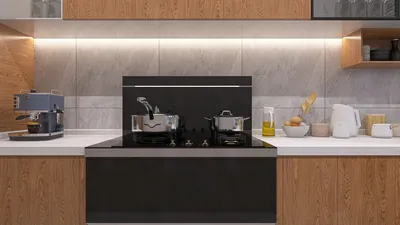


Transforming small spaces into tranquil, spacious environments can be effortlessly achieved with white walls, especially when considering proportion, light, and material thoughtfully. I've applied white-centric palettes in various settings, from apartments to tiny offices and hospitality suites, to visually enhance volumes, manage glare, and provide a pristine canvas for artworks and furnishings. Research indicates that nearly half the participants in Gensler’s U.S. Workplace Survey feel that well-structured environments significantly boost their productivity—white walls, when effectively combined with intelligent lighting and ergonomic designs, contribute significantly to this improvement through clarity, legibility, and minimizing visual distractions. Utilizing tools like Homestyler can assist in visualizing these designs.
Light serves as an essential enhancer. The IES suggests that typical living spaces should have about 100-300 lux of ambient lighting, with task areas ranging from 300-500 lux; white walls facilitate the achievement of these illumination targets using fewer fixtures by effectively bouncing and diffusing light. The WELL v2 guidelines emphasize glare reduction and uniform luminance, which are critical for visual comfort; I maintain contrast ratios between task and surrounding surfaces within a range of 1:3 to 1:10 by utilizing high-reflectance whites to minimize eye fatigue. These principles guide my choice of materials, fixture placements, and sheen levels to cultivate depth rather than flatness.
Understanding color psychology is essential. As noted by Verywell Mind, white symbolizes cleanliness and mental clarity; in practical applications, I temper stark whites with natural textures and warmer color temperatures (2700–3000K) to steer clear of a sterile ambiance. The aim is not to create a lifeless gallery but rather to establish a welcoming environment where furniture, plants, and artwork convey character, while the space remains bright and unified. Leveraging tools like Homestyler helps illustrate these concepts effectively.
Selecting the Right White: Undertone, Sheen, and Reflectance
Not all whites exhibit the same properties. I consider undertones first: cool whites (blue/grey) sharpen edges and feel brisk in north-facing rooms; warm whites (yellow/red) soften and counterbalance cool daylight or concrete. The sheen impacts perceived space—eggshell and matte finishes reduce glare and conceal wall blemishes; satin adds a gentle luster in larger, darker areas. In smaller spaces, I avoid high gloss on walls to preserve depth; instead, I allocate semi-gloss for trims to enhance geometry and reflect light delicately.
Layering Light for Enhanced Perception
Relying solely on an overhead fixture risks flattening spatial dimensions. I incorporate three layers: ambient (uniform wash from the ceiling or walls), task (dedicated to desks, counters, bedside), and accent (highlighting textures). I position indirect ambient lighting at the edges—using cove lights or wall washers elevates white walls and visually expands the area. For reading nooks, targeting around 300-500 lux at the task level and pairing with 2700–3000K lamps enriches skin tones against white backdrops. Dimming options help adjust ambiance from day to night, maintaining the serene quality of a white space while minimizing glare.
For planning room layouts, a quick digital mock-up using an interior design tool can assist in determining fixture placements, beam angles, and the interplay of light with white surfaces prior to implementation.
Utilizing Tone-on-Tone Contrast to Prevent Flatness
A white room flourishes with subtle contrasts. I adhere to a 70–20–10 principle: 70% soft white space, 20% mid-tone woods or textiles, and 10% dark accents. Ensuring trims are a shade brighter than the walls creates clean outlines. Applying plaster, limewash, or microcement introduces gentle shadows; a wall with delicate texture appears deeper than a flat, uniform surface. In settings where acoustics are important, sound-absorbing white felt panels or textured fabric walls can blend seamlessly while dampening sound.
Defining Spaces with Floors and Ceilings
While white walls are great, it doesn’t mean everything has to be white. I typically recommend a slightly darker floor to provide stability and a near-white ceiling to elevate the space. In long, narrow areas, painting the shorter wall a deeper neutral can draw focus and reduce the tunnel effect, while keeping the longer walls bright expands visual width. If psychological division is necessary in a studio, using different ceiling colors or slatted structures over a sleeping area helps maintain brightness while defining function through the white walls.
Consider Scale, Proportion, and Sightlines
Furniture selections against white walls should respect negative space. Low-profile sofas and leggy chairs keep the floor visible, enhancing the perception of space. Mount shelves higher than anticipated (approximately 72–78 inches) to raise sightlines. Maintain at least 30–36 inches for main pathways and 18 inches for passage around coffee tables; these ergonomic allowances prevent an overcrowded appearance, which can diminish the openness achieved through white walls. In compact bedrooms, opting for wall-mounted bedside lighting preserves smooth surfaces and maintains an uninterrupted white plane.
Natural Materials Infuse Warmth
To mitigate clinical vibes, I layer materials such as oak, rattan, travertine, linen, and wool. Rounded edges and textured weaves soften the light reflections on white walls. Greenery particularly stands out against white; I recommend selecting sculptural plants like fiddle leaf figs or olives to add vertical accents. For a monochrome scheme, utilize a range of whites: chalk, ivory, alabaster, complemented by a single grounding black element (like a lamp or a picture frame) to enhance focal points.
Art and Mirrors: Purposeful Scale
On white walls, art that is too small can get overlooked. Opt for larger pieces (at least 60% of the furniture's width below) or create tight grids with uniform spacing. Non-reflective glass can prevent glaring reflections in bright spaces. Mirrors serve as spatial multipliers—position them to capture natural light while steering clear of direct glare from windows if present. A vertical mirror near an entrance enhances perceived height; a horizontal mirror above a console broadens the sense of width.
Acoustic Comfort in Vibrant, Hard Rooms
White spaces often coexist with stronger surfaces. To reduce echo, I employ a comprehensive acoustic approach: area rugs over hard flooring, soft Roman shades, cushioned seating, and ceiling absorbers as necessary. The room feels more expansive with sound effectively managed; excessive echoes can render spaces hollow and exhausting. When incorporating panels, opt for white fabric-wrapped absorbers that seamlessly blend into the overall design.
Daylight Management: Minimize Glare, Maximize Comfort
Employing sheer drapes or light-filtering blinds can help in moderating daylight on white walls. Positioning desks at right angles to windows reduces glare on screens; maintain a smooth luminance transition to avoid bright spots dominating the view. In south-facing spaces, a warm-white color scheme can counterbalance harsh midday illumination; in north-facing environments, slightly warmer paints prevent it from appearing overly blue.
Invisible Storage Solutions
Built-in storage that matches the wall finish helps it blend seamlessly—handles can be discreetly routed or use sleek linear hardware in soft white or light metallic tones. I often incorporate floor-to-ceiling cabinets on one wall and keep neighboring walls simpler to maintain a sense of openness. For those renting, aligning white bookshelves with wall color and keeping their styling minimal can enhance the tranquil ambiance.
Creating Micro-Zones for Work and Relaxation
In studios or multi-functional areas, white walls support dynamic zoning. Crafting a compact work area with a slim desk, wall-mounted lighting, and a pinboard covered in off-white linen presents a unified yet distinct atmosphere. For relaxing spaces, a cozy rug and warmer lamp settings create a soft cocoon in the evening, while maintaining a bright and airy feeling during the day. Utilizing an interior design visualization tool like Homestyler can facilitate the planning of these zones with ease.
Maintenance and Long-lasting Quality
Opt for scrubbable matte or eggshell finishes in high-traffic zones and maintain a labeled touch-up kit. In entryways, installing mid-height wainscoting or a washable micro-texture can fend off scuffs without disrupting the white field. Attention to cleanliness—organized shoe storage, discreet hooks—helps prevent visual clutter, promoting the serene openness you desire.
Living Room: Ambient lighting around the perimeter, off-white linen curtains, oak coffee table, and a single black metal floor lamp for contrast. Bedroom: White headboard wall adorned with textured limewash, warm bedside sconces, and blackout layers behind sheer curtains. Kitchen: Matte white cabinetry with integrated pulls, warm under-cabinet lighting, and pale stone backsplash for added depth. Bathroom: Large-format white tiles with a matte finish to reduce glare, backlit mirror, and soft grey grout for a subtle grid pattern, easing upkeep.
Complete Reference to Standards and Studies
For optimal lighting levels and glare mitigation, I adhere to IES standards and WELL v2 recommendations to refine luminous dynamics and visual health throughout white-dominant interiors.
Frequently Asked Questions
Q1: How can I prevent white walls from feeling sterile?
A1: Combine textures (like linen, wool, and rattan), use warm light temperatures (2700–3000K), and incorporate some natural wood elements. Adhering to a 70–20–10 distribution will keep the space bright yet layered.
Q2: What sheen is most suitable for small rooms?
A2: Matte or eggshell finishes on walls manage glare and conceal imperfections, while semi-gloss should be reserved for trims to reflect a little light without creating hot spots.
Q3: What lighting levels should I strive for?
A3: For general living areas, a range of 100–300 lux for ambient light is comfortable, with 300–500 lux in task areas. Layering ambient, task, and accent lighting is essential to prevent a flat, overhead-only lighting experience.
Q4: How can I visually expand a narrow room with white walls?
A4: Consistently maintain soft white on long walls, slightly deepen the short wall, and utilize perimeter lights to wash the sides. Low, slender furniture enhances floor visibility to create the illusion of width.
Q5: Are cool whites or warm whites preferable?
A5: The choice should depend on the daylight and materials in the space. North-facing or concrete-oriented rooms benefit from warm whites, while very bright south-facing spaces often appear more crisp with neutral to cool whites.
Q6: Do mirrors always provide benefits?
A6: Yes, if positioned thoughtfully. Mirrors should angle to catch soft daylight rather than harsh glare. Vertical mirrors enhance height perception, whereas horizontal mirrors widen the space visually.
Q7: How do I sustain acoustic comfort in a bright, hard-surfaced room?
A7: Layer soft furnishings such as rugs, upholstered seats, and curtains—consider discreet white acoustic panels or ceiling absorbers to mitigate reverberation.
Q8: What’s a simple method to conceal storage on white walls?
A8: Paint built-in storage to align with the wall, utilizing minimalistic hardware or routed pulls. Aligning shelves and doors with existing architectural lines maintains visual fluidity.
Q9: Is it possible to pair white walls with dark floors?
A9: Certainly. Dark or medium-toned floors anchor the room and intensify the brightness of white walls. A rug can be added to soften contrasts if necessary.
Q10: How can I effectively plan lighting positions prior to installation?
A10: Use a digital mock-up to outline beam angles and spacing; a layout simulation tool aids in anticipating light spill, hotspots, and reflections on white surfaces.
Q11: What temperature settings should I utilize for evening comfort?
A11: Adjusting to a range of 2700K–3000K in the evening decreases visual harshness and promotes relaxation; dim-to-warm lighting fixtures provide a smooth transition from daytime clarity to relaxing evening ambiance.
Q12: How can I select the appropriate white to coordinate with existing finishes?
A12: Sample colors on multiple walls at full height, observing them from morning to evening. Match undertones to permanent elements—warm whites with oak, neutral whites with mixed metals, and cool whites with grey stone for a harmonious finish.
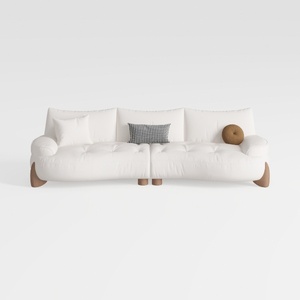
Minimalist White Fabric Curved Sofa With Decorative Throw Pillows 3D Model


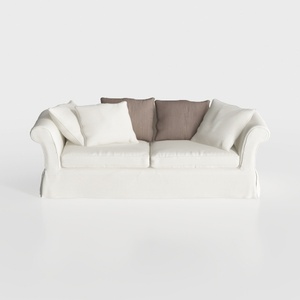
Minimalist White Fabric Sofa with Throw Pillows 3D Model
Homestyler is your go-to online platform for home design! With its user-friendly design tool, stunning 3D renderings, diverse design projects, and helpful video tutorials, you can unleash your creativity and transform your space effortlessly. Discover the joy of DIY home design today!
立即免费设计
































