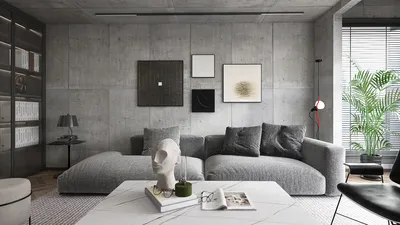


I have frequently relied on wallpaper to transform the ambiance of small spaces, often achieving more than what lighting or furnishings can offer. In confined areas, surface patterns can adjust perceptions of scale, direct visual flow, and add texture without introducing extra physical mass. The appropriate print and placement can visually enhance ceiling heights, stretch wall dimensions, and create an illusion of depth where it might be lacking.
When designing for small areas, evidence-based strategies are crucial. The WELL v2 standard emphasizes the importance of visual ergonomics and managing glare for optimal comfort; patterned surfaces should complement light rather than oppose it. The Illuminating Engineering Society advocates for 300-500 lux in most living spaces, ensuring that wallpaper appears accurate without over-exposure that might increase contrast and visual stress. Research from Steelcase demonstrates that carefully designed environments contribute to improved well-being and productivity, highlighting how mindful control of patterns and lighting can elevate both mood and functionality. I invariably coordinate wallpaper choices alongside a lighting strategy to maintain these standards.
Understanding color psychology is as vital as selecting patterns. According to Verywell Mind, lighter shades often create a sense of spaciousness, while vibrant colors can be invigorating when used sparingly. In smaller interiors, I prefer mid to light color palettes to enhance perceived space, reserving richer shades for feature walls or recesses. When applying these principles alongside consistent lighting and balanced reflectance across floors, walls, and ceilings, the room appears larger and more serene.
Choose Scale: Large Motifs for Small Spaces
It may seem counterintuitive, but using oversized, well-distributed patterns can minimize visual clutter and provide a modern feel, making compact rooms seem less hectic. Smaller prints may create a flickering effect, particularly under LED lights, exaggerating any disarray. A bold botanical or geometric pattern with ample negative space can extend sightlines and soothe the eye. Ensure the pattern repeat exceeds the dimensions of major furniture pieces—if your couch is 72 inches long, a repeat size of 24-36 inches usually complements the scale appropriately without overwhelming the area.
Light and Wallpaper: Striking a Balance
The finish of the wallpaper interacts significantly with lighting. Matte or textured surfaces soften harsh highlights, making them suitable for rooms bathed in natural light or equipped with multiple downlights. Soft satin finishes can brighten dark corners without causing glare. Aim for an ambient light level of 300-500 lux with layered lighting elements—a diffuse ceiling fixture, one or two wall lights for vertical illumination, plus task lamps as needed. This setup keeps patterns clear and skin tones looking natural. If you are planning the complete layout, utilizing a room design tool can help simulate light distribution against wallpaper samples before installation.
Color Choices: Elevate Ceilings and Expand Walls
To enhance perceived height, opt for vertical stripes or designs that evoke upward movement, while choosing a lighter, slightly cooler tone for the ceiling (approximately 4000K lighting to ensure clarity). To widen a narrow space, consider horizontal designs or murals promoting lateral flow. For boxy areas, a gradient or ombré effect that lightens toward the top can visually decompress the room’s envelope.
Feature Wall versus Full Wrap: Understanding the Difference
A feature wall can serve as a focal point, anchoring the space and managing visual complexity—ideal placements include behind the headboard, sofa, or entertainment unit. Full-wrap designs are most effective when the pattern is subdued and the color value is mid-light. In very small spaces, I often opt for wrapping with a gentle texture like linen or grasscloth, saving one stronger design for the least interrupted wall. Think about acoustic advantages as well: cork and grasscloth offer sound absorption, enhancing conversations or media experiences.
Pattern Rhythm and Proportionality
The rhythm of the pattern should resonate with the layout of the room. In elongated areas, staggered motifs can prevent a tunnel-like effect. For cubic rooms, a radial or softly repeating design ensures harmony. I prefer a 60/30/10 ratio: 60% quiet surfaces (walls or ceilings), 30% moderate contrast (textiles), and 10% accents (art or bold panels). Wallpaper typically fills either the 60% or 30% segment, depending on intensity.
Texture and Material Choices
Textured wallpapers—such as grasscloth, silk, or embossed vinyl—add tactile richness without encroaching on floor space. In high-traffic areas or small entries, scrubbable vinyl or coated papers are a durable choice. For kitchens or bathrooms, select moisture-resistant substrates and ensure adhesives work well with ventilation. Incorporating sustainable fibers and low-VOC adhesives assists in maintaining air quality and aligns with WELL v2 material guidelines. Natural textures harmonize with matte lighting, promoting subdued reflections.
Ceilings, Doors, and Nooks: Clever Volume Enhancements
Applying wallpaper to the ceiling can visually lift a low space if the design is subtle and light; consider soft grids, cloud-like textures, or ultra-wide stripes. Wrapping doors and closets in the same wallpaper transforms them into architectural details—select a continuation of the wall print or a complementary micro-pattern in a matching color scheme. For nooks, utilize darker or richer tones; this enhances depth perception, making the main area appear brighter in contrast.
Layout Integration and Furniture Alignment
Wallpaper should facilitate movement and ergonomics within the space. Major pathways need to remain visually quiet; using dense patterns in tight spaces can create a chaotic feel. Align the pattern’s geometry with the edges of the furniture—repeating centers with the sofa's midpoint or the bed's symmetry—for an orderly aesthetic. Prior to installation, leverage an interior layout planner to assess sightlines from seating and entrance areas to ensure the most attractive motif is the one most frequently encountered.
Acoustic Solutions and Softening Techniques
In smaller rooms, sound is often amplified. To combat this, consider pairing wallpaper with sound-absorbing elements—like textile panels, rugs, and upholstered furniture—to lower reverberation times and prevent loudness. Textured wallpaper can diminish sound reflections, while breaking up large reflective surfaces with patterns can help soften acoustics. Arrange bookcases or decorative curtains opposite the most reflective wall to enhance the wallpaper's sound-diffusing properties.
Installation and Precision Detailing
In small rooms, precision at the seams is crucial. Ensure that repeats are aligned in inside corners; for problematic corners, splice them with a sharp blade to prevent pattern disturbances. When working around outlets and switches, remove their plates, wrap the wallpaper under the edges, and replace plates for a polished look. If the walls are uneven, choose patterns with generous repeats—like organic botanicals or painterly textures—rather than strict grids that will highlight imperfections.
2024-2025 Wallpaper Trends for Small Spaces
Popular trends for compact living areas include oversized botanicals in muted colors, monochromatic geometric patterns with substantial line weight, softly textured plasters, and tonal stripes. Metallic accents should be understated—brushed rather than mirrored—to illuminate spaces without causing glare. Murals with horizon lines set at eye level can create a sense of depth, while watercolor gradients facilitate calm transitions, visually enlarging corners.
FAQ
Q1: Do larger patterns genuinely create a sense of spaciousness in small rooms?
A: Absolutely. Large, well-separated motifs minimize visual clutter and create longer sightlines, perceived by the eye as a sense of spaciousness, especially under balanced ambient lighting of around 300-500 lux as per IES recommendations.
Q2: Which wallpaper finish works best in brightly lit rooms with LED lighting?
A: Matte or subtly textured finishes are ideal as they reduce glare and mitigate harsh highlights. In spaces with several downlights, a matte or eggshell surface keeps contrast soft and patterns easily readable.
Q3: How can I select colors that help expand a space visually?
A: Use mid-to-light tones for primary surfaces, coupled with cooler tints on the ceiling to elevate height. Save saturated colors for accent walls or recesses to add depth without crowding the main volume.
Q4: Can wallpaper actually affect room acoustics?
A: Textured wallpapers provide gentle sound diffusion, and when combined with rugs, upholstered seating, and fabric curtains, the overall echo time can be reduced, leading to calmer, less echo-prone atmospheres.
Q5: Is a feature wall more effective than a full wrap?
A: In extremely small rooms, a full wrap incorporating a subtle texture alongside one distinctive motif is often more harmonious. If utilizing a bold pattern, it’s best limited to a single wall behind a key furniture piece to stabilize the design.
Q6: How can I avoid overwhelming patterns around circulation areas?
A: Keep pathways and tight access points visually simple. Align pattern centers with furniture symmetry, and steer clear of dense, high-contrast prints in doorways or narrow passages.
Q7: Are health and sustainability factors important in wallpaper selection?
A: Absolutely. Choose low-VOC adhesives coupled with responsibly sourced materials. WELL v2 emphasizes the importance of material health; natural fibers combined with quality primers help maintain a clean indoor atmosphere throughout and after installation.
Q8: What lighting temperature is ideal for rooms decorated with wallpaper?
A: Lighting temperatures around 3000-4000K are typically best for most residential settings—warm enough for comfort yet cool enough to keep colors vibrant and patterns distinct without excess harshness.
Q9: How can I tackle difficult corners and uneven walls?
A: Opt for patterns that are forgiving, like organic botanicals or painterly images. Use sharp blades to splice at inside corners and consider utilizing quality liner paper to smooth out any minor wall imperfections.
Q10: Is it feasible to apply wallpaper on ceilings in low spaces?
A: Certainly, as long as the patterns are subtle and light. Keep reflectance high while avoiding stark contrasts overhead. Delicate grids or tonal washes can enhance visual height.
Q11: What wallpaper trends are set to dominate small apartments in 2025?
A: Key trends include tonal stripes, muted oversized botanical prints, textured plaster wallpapers, and horizon-themed murals. Metallics should be brushed and understated, carefully arranged to lift light subtly without creating glare.
Q12: How can I test my wallpaper choices before proceeding with installation?
A: Use large swatches in your actual lighting conditions and visualize your layout using a design simulation tool to evaluate sightlines from seating and entry points.
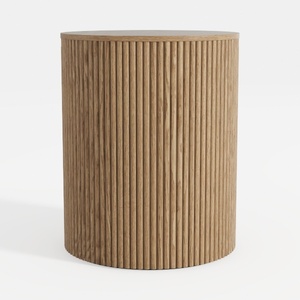
Minimalist Fluted Oak Round Side Table 3D Model
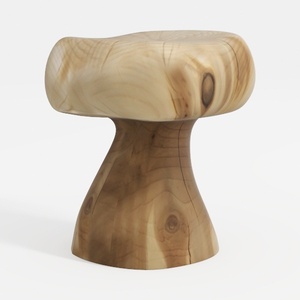


Minimalist Solid Wood Linen Fabric Three Seat Sofa 3D Model
Homestyler is your go-to online home design platform! With its user-friendly design tool, stunning 3D renderings, and an array of inspiring design projects and video tutorials, transforming your space has never been easier or more enjoyable. Unleash your creativity today!
지금 무료로 디자인하세요
































