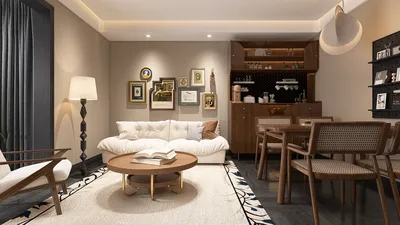


I once measured a compact studio three times, only to discover that my client wished to store art books exceeding the ceiling height — an amusing rookie mistake. That experience taught me to approach small spaces as if they were puzzles: the limitations often lead to more innovative solutions, and a slim bookshelf can be the key element. Typically, I initiate my design process by creating a narrow room mockup to examine sightlines and shelf depths prior to purchasing materials. Utilizing tools like Homestyler can also streamline this step.
1. Floating shallow shelves to maximize floor space
Floating shallow shelves (which range from 12–18 cm / 5–7 inches in depth) enhance visibility of the floor space while making narrow hallways feel more open. I particularly favor them for art books and slender paperbacks as they are sleek, contemporary, and can be staggered at varying heights for a stylish effect. However, be aware of their limited weight capacity; I suggest reinforcing them with sturdy brackets if you intend to store heavier volumes.
save pin
2. Recessed shallow shelving for hallways and alcoves
Incorporating a shallow niche into a hallway or next to a doorway presents a built-in appearance without compromising space. I’ve successfully implemented shelves with depths of 10–15 cm in tight entryways, providing display space for favorites while still allowing passage. Although there may be an additional cost for drywall work, the aesthetic benefits often justify the slight budget increase.
save pin
3. Ladder-style slim bookcases that create an airy feel
Ladder-style bookcases with narrow rungs lean against the wall and take up minimal floor space, conjuring a library atmosphere without overwhelming the room. They are portable and work beautifully alongside a reading lamp. However, ensure they are anchored for safety, especially in households with children or pets. A quick floor sketch can help visualize placement to optimize circulation and clearance.
save pin
4. Shallow shelves above furniture to utilize vertical space
Taking advantage of vertical space is my preferred strategy: shallow shelves placed above sofas, beds, or consoles transform previously unused wall areas into functional storage. These shelves remain out of the direct line of sight, which keeps the area looking tidy, and can be combined with enclosed cabinets below to hide clutter. The only downside is accessibility; a small step stool can mitigate this issue and also serve as a design accent.
save pin
5. Slim shelving in mixed-use kitchen or office corners
Shallow open shelves work exceptionally well in compact kitchens or home offices for storing spices, mugs, or small reference books. They provide easy access without the visual heaviness associated with upper cabinets. I once implemented 12 cm deep shelves in a galley kitchen corner, enhancing the entire workspace — just be cautious of grease and humidity; either treat wood surfaces appropriately or opt for laminate. For layout inspiration that includes small shelving alongside appliances, I often refer to quick kitchen layout concepts, which can also be simulated using design tools like Homestyler.
save pin
FAQ
Q1: What is the ideal depth for shallow bookshelves in confined spaces? A: For paperbacks and smaller books, a depth of 12–18 cm (5–7 inches) is often sufficient. If you're storing larger hardcovers, you might need to consider depths of 25–30 cm (10–12 inches), so always measure your tallest books first.
Q2: Can shallow shelves support heavy books? A: Typically, shallow shelves have limited load capacity. To enhance strength, consider utilizing thicker materials, metal brackets, or anchoring them directly to studs.
Q3: How can I prevent my shallow shelf from appearing cluttered? A: Keep groupings minimal: alternate vertical and horizontal stacks of books, incorporate a small plant or two, and ensure there’s enough space between items to create a light and airy effect.
Q4: Are floating shallow shelves challenging to install? A: Basic installations are quite manageable, but if you're anchoring into drywall or installing long runs, it's wise to hire a professional or use stud finders and proper anchors for safety.
Q5: What finishes are best suited for shallow bookshelves? A: Lighter wood hues or white paint can visually reduce bulk; darker finishes can have dramatic appeal but may add a feeling of heaviness in a smaller space.
Q6: How should I protect books on kitchen shelves? A: Keep shallow shelving away from direct cooking splatter and humidity. Use sealed wood or laminate finishes, and store frequently accessed items in closed containers.
Q7: Any size references from furniture manufacturers? A: Many brands provide shelf depth specifications — for instance, the BILLY line from IKEA typically lists shelf depths around 28 cm (11 inches) for standard models, which can be a helpful guide when planning (refer to IKEA specifications for exact measurements).
Q8: Where should I position lighting for shallow shelves? A: Opt for slim LED strips or puck lights positioned beneath the shelves or above the topmost shelf to accentuate objects without adding visual weight; LED lights are cool-running and compact, making them ideal for constrained shelves.
save pin
Homestyler is your go-to online platform for effortless home design. With an intuitive design tool, stunning 3D renderings, and a wealth of DIY video tutorials, you can easily create and visualize your dream spaces. Transform your home with Homestyler today!
Design Now for FREE
































