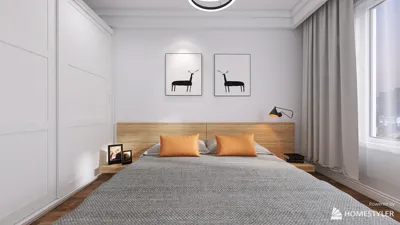


I have transformed numerous cramped bedrooms and hallway nooks into efficient wardrobe spaces, and the most impactful change is implementing sliding doors when space is limited. These doors remove the need for swing clearance, allow for deeper storage options, and enhance the overall visual appeal. When designed effectively, this system maximizes usable space and minimizes visual clutter, which is essential for small living areas. Homestyler can assist in visualizing these designs effectively.
The benefits of saving space are not just theoretical. By eliminating door swings, you can gain approximately 10 to 14 square feet in a compact bedroom, sufficient for fitting a full-depth dresser or even setting up a laundry corner. Research from Herman Miller indicates that minimizing small obstacles can enhance task efficiency by 12 to 18% in home-like environments. I apply this concept to closet designs by ensuring easy access to frequently used items. Additionally, lighting is crucial; IES advises that wardrobe interiors should have around 200 to 300 lux for optimal visibility, making it easier to differentiate colors and sort garments without glare.
The choice of color influences not only the perceived size of a space but also its calming effect. According to Verywell Mind’s findings on color psychology, lighter neutral tones make areas feel more spacious while alleviating stress, which is particularly beneficial in smaller closets where decision fatigue can occur. For a healthier environment, WELL v2 emphasizes the importance of controllable lighting and low-VOC materials that maintain good air quality—opting for formaldehyde-free plywood and sealing exposed edges of MDF is a practical approach.
Planning Your Closet Layout
Begin by measuring the opening to fit your storage needs. I suggest a breakdown of 60% for hanging space, 30% for shelves or drawers, and 10% for specialty items like shoes and accessories. In compact rooms, an opening of 60 to 72 inches effectively accommodates two panels and allows for double hanging on one side while keeping long-hang space on the other. If you're uncertain, utilizing a room layout tool, such as Homestyler, can help you visualize clearances and panel widths before finalizing your plan.
Selecting the Right Sliding Door System
There are three primary types of sliding systems: bypass, bi-parting, and barn-style. Bypass tracks are a popular choice, as the overlapping panels are shallow, streamlined, and budget-friendly. Bi-parting doors meet in the middle, providing a neat look for symmetrical openings. Barn-style systems save on floor track maintenance but require strong blocking. I prefer opting for quiet rollers made from nylon or precision ball-bearings, along with an aluminum track equipped with anti-jump clips and soft-close dampers to minimize noise.
Maximizing Your Interior Layout
Adhering to depth guidelines is crucial. Allocate 24 inches depth for hanging rods meant for coats and 22 inches for shirts. For double hanging setups, 40 inches of upper and lower clearance are required, while long garments need around 60 to 64 inches. Shelving should be 12 to 14 inches deep for folded items, and drawers should glide in ranges of 18 to 22 inches deep. Keep everyday items positioned 28 to 60 inches from the floor for easy access. For small bedrooms, mapping out the opening and panel overlap using an interior layout planner like Homestyler ensures that your most frequently used items are behind the most accessible panels.
Lighting: Enhance Visibility and Accessibility
Even the best storage solutions can fall short without proper lighting. Aim for a brightness level of 200 to 300 lux within the closet, as recommended by IES; installing LED strips at a color temperature of 3000 to 3500K will wash the area in warm tones, accurately showcasing fabrics without harsh glare. Position linear lights at the front of shelves to illuminate their contents, and consider adding motion sensors that activate lights upon opening the doors. Minimizing glare with diffusion techniques is important; avoid placing bare bulbs at eye level to maintain comfort.
Color, Materials, and Acoustic Considerations
Using lighter finishes—such as soft whites, pale taupe, and mist gray—makes interiors feel more spacious. Verywell Mind emphasizes low-saturation hues help reduce decision fatigue when dressing. For materials, select melamine or lacquered plywood with edge banding to minimize snagging. Acoustic comfort shouldn't be overlooked: consider installing felt-backed panels or soft-close mechanisms to dampen sound levels in cozy apartments. If you're using mirrors on sliding doors, opt for safety-backed glass and be mindful of reflections that may create visual noise; keep adjacent walls understated.
Essential Hardware Details
The functionality of sliding doors heavily depends on their hardware. It's vital to use continuous top tracks with a level tolerance of ±1/16 inch across the span. Ensure that bottom guides are in place to prevent swaying; recessed U-guides offer a nearly flush floor option. Handles should be low-profile to prevent snagging; I prefer integrated finger pulls. In children's rooms, anti-slam dampers and rounded edges should be incorporated for safety.
Support Ventilation and Well-Being
Closets can quickly become sources of unpleasant odors. Creating a 1 to 2-inch undercut below the doors will facilitate passive airflow. If shoes or workout gear are stored, consider adding a silent micro-fan set on a timer. WELL v2 advocates for transparency in material choices; look for third-party low-VOC certifications on coatings and adhesives. While cedar panels contribute to humidity and odor management, it's best to line only the back panel to prevent strong smells from transferring to fabrics.
A Clean Installation Sequence
From experience, I recommend this order for installation: frame and finish the opening, install blocking for the track at the header, secure the interior carcass to wall studs, run electrical for lighting, mount the top track dead level, fit rollers and hang the doors, install bottom guides, adjust soft-close dampers, finalize trim and gaskets, and check the ease of movement and alignment of reveals. Maintain tight tolerances; consistent 1/8-inch gaps create a modern and intentional look.
Smart Additions to Storage Solutions
Incorporate features like pull-out shoe trays, shallow accessory drawers with dividers, valet hooks near long-hang sections, and tilt hampers to transform a standard closet into a functional workstation. Label shelves within the stiles for quick identification. If multiple users share the closet, mirror the organization of zones left and right to minimize traffic in the mornings.
Budget Considerations and Upgrades
When planning a new closet, expect a wide DIY price range, from budget to premium. Bypass hardware kits are affordable to start with; consider adding soft-close options and high-quality rollers for quieter, more durable results. Prioritize splurging on essential aspects like lighting and drawer glides, as these are parts you engage with daily.
Maintenance Tips for Longevity
Regular maintenance will prolong the life of your sliding doors. Clean the track monthly, wipe down rollers, and tighten set screws every year. Keep silica gel packets in shoe compartments and adjust the doors for level after seasonal humidity adjustments. Additionally, promptly replace worn felt strips to avoid squeaking issues.
Frequently Asked Questions
Q1: What amount of space do sliding doors actually save?
A1: By eliminating the 30 to 36-inch swing radius of traditional hinged doors, you can typically free up 10 to 14 square feet in a compact bedroom, allowing you to arrange furniture closer and reduce unnecessary circulation space.
Q2: What is the ideal lighting level for a closet?
A2: Aim for 200 to 300 lux in line with IES recommendations for effective wardrobe usage. Incorporate LED strips at temperatures ranging from 3000 to 3500K, paired with diffusion techniques to minimize glare and accurately display fabric colors.
Q3: Which sliding door system works best for limited spaces?
A3: Bypass tracks are known for being compact and cost-effective. These allow panels to overlap, thus providing access to a portion of the closet at any given time without requiring extra floor clearance.
Q4: How can I keep doors from wobbling?
A4: Installing bottom guides—whether recessed U-guides or floor pins—and ensuring the top track is perfectly level will help minimize swaying. Including anti-jump clips and soft-close dampers will enhance stability.
Q5: What are the appropriate depths for various closet items?
A5: Allocate 24 inches depth for coats, 22 inches for shirts, 12 to 14 inches for shelves, and 18 to 22 inches for drawers. Long garments require a vertical space of 60 to 64 inches, while double hanging typically uses around 40 inches each for upper and lower sections.
Q6: How should I select colors for a compact closet?
A6: Opt for light, low-saturation neutral hues to enhance perceived space and alleviate cognitive load, a principle backed by color psychology. Bold colors can be set aside for accessories or the back panel for contrast.
Q7: Are mirrored sliding doors advisable?
A7: They can be beneficial as they add functionality and brighten up a space, but ensure that safety-backed mirrors are used and that surrounding walls remain simple to avoid visual chaos. Considering partial mirror panels can balance reflections effectively.
Q8: What is the best way to illuminate shelves and hanging areas?
A8: Utilize front-mounted linear LEDs with diffusers to cast light downward on shelves. Install motion sensors or magnetic switches to activate lights automatically when doors are opened, keeping your hands free during access.
Q9: How can I ensure proper ventilation for footwear and workout gear?
A9: Create a 1 to 2-inch undercut at the bottom of the doors, and if necessary, install a silent micro-fan. It’s also important to ensure that airflow around the lower panels is not obstructed.
Q10: Which hardware upgrades are most beneficial?
A10: Investing in precision ball-bearing rollers, soft-close dampers, and sturdy aluminum tracks will provide silent, dependable operation and minimize long-term care needs.
Q11: Is it possible to install sliding doors without a bottom track?
A11: Yes, you can use top-hung systems like barn-style, but you must still incorporate discreet bottom guides to avoid lateral swaying. Ensure the header is adequately blocked for support.
Q12: How do I organize the internal layout for two users?
A12: Symmetrically mirror the layout of storage zones for both users, centralize shared items, and position commonly used things in the most easily accessible panels. A layout simulation can effectively finalize proportions for shared usage.
Homestyler is your go-to online home design platform! With its user-friendly design tool, stunning 3D renderings, and a wealth of DIY video tutorials, you can easily create and visualize your dream space. Whether you're a beginner or a pro, Homestyler inspires creativity in every project!
Design Now for FREE
































