

A client once approached me with a unique request: to conceal a piano behind a door in a compact 300 sq ft studio. Initially, I considered a tandem swing door until I recalled the benefits of pocket doors. Through experience, I've discovered that the right sliding system can conserve space and enhance the feel of a small area. For those looking to visualize a room layout before making hardware purchases, utilizing tools like Homestyler can be a wise choice.
1. Slim single-panel pocket doors for bathrooms
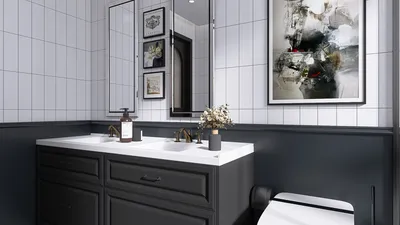
For tight bathroom spaces, I highly recommend a slim single-panel pocket door. This design eliminates the need for door swing, offering a cleaner appearance and maximizing usable floor space outside the restroom. However, be mindful that humid environments necessitate moisture-resistant frames and rollers; thus, it's wise to budget for corrosion-resistant hardware.
save pin
2. Pocket doors framed with barn-style trim for added character
If you're aiming for the sliding advantage while adding stylistic detail, I sometimes choose to frame pocket door openings with barn-style trim. This approach not only conceals imperfections but also provides visual balance in narrow hallways. Do note that this style may require a few inches of depth for the pocket; planning ahead or opting for a shallower pocket system is advisable.
save pin
3. Frosted glass pocket doors to allow light flow
In studio and one-bedroom layouts, frosted glass pocket doors are ideal for maintaining privacy while still permitting natural light to circulate between areas. This solution offers brightness without complete visibility, creating a luxurious feel in a small apartment. To ensure proper fitting, tools like Homestyler can assist in mapping wall depths and clearances before ordering the glass panels.
save pin
4. Double-pocket (bi-parting) doors between living spaces
For scenarios where separation between the kitchen and living area is occasionally needed, a double-pocket solution, which allows two doors to slide into opposite wall cavities, is an excellent choice. It facilitates a wide opening without sacrificing valuable wall space. However, installation is more intricate, so hiring a professional for proper framing and track alignment is recommended to avoid unsightly jambs.
save pin
5. Curved or arched pocket doors for unconventional layouts
Curved pocket doors bring a flair reminiscent of a dramatic movie-theater reveal and can address odd circulation paths where straight doors may not be effective. Although they come at a higher cost and require custom framing, I have successfully utilized one to transform a corridor that was otherwise underutilized — resulting in a striking, functional layout. When considering kitchen adjacency, a kitchen flow study can complement the choice of pocket door design.
save pin
FAQ
Q: Are pocket doors suitable for small spaces?
Absolutely! Pocket doors eliminate the swing arc of traditional hinged doors, freeing up precious floor space and enhancing movement. They are particularly beneficial in bathrooms, closets, and narrow hallways.
Q: How much wall space is required for a pocket door?
Typically, you'll need wall depth that matches the door thickness, alongside a stud bay cleared for the pocket. Exact dimensions will depend on the kit, as well as whether it’s single or double-pocket. It's vital to refer to the manufacturer's specifications for rough openings.
Q: Can pocket doors be installed in existing walls?
Yes, in many cases. However, retrofitting may involve reopening walls and relocating any wiring or plumbing. If the wall is load-bearing, structural modifications will likely be necessary, often requiring a contractor's assistance.
Q: Do pocket doors generate noise?
When equipped with quality rollers and soft-close mechanisms, modern pocket doors operate quietly. In contrast, cheaper models may rattle; I always recommend soft-close hardware for bedrooms and bathrooms to minimize late-night disturbances.
Q: What maintenance is required for pocket doors?
To ensure optimal function, keep the track clean, lubricate rollers as per the manufacturer’s guide, and inspect for loose screws annually. It’s advisable to leave an access panel or removable trim near the pocket for easy repairs.
Q: Do pocket doors comply with accessibility standards?
Yes, provided they are properly sized and installed to ensure the necessary clear opening and straightforward hardware operation. For designs catering to universal access, always consult local ADA guidelines.
Q: What is the cost range for pocket doors?
While basic kits and hollow doors can be relatively inexpensive, custom glass or curved systems usually carry a higher price tag. Expect a diverse range in costs, from budget options to premium selections; remember to include installation labor in your budget planning.
Q: Where can I find reliable installation guidance?
For comprehensive installation instructions and building code adherence, reputable sources like This Old House offer invaluable information (refer to https://www.thisoldhouse.com for detailed articles). Consulting local code officials for structural and fire-rated wall requirements is also advisable.
save pin
Homestyler is your go-to online home design platform, perfect for anyone looking to create their dream space. With an easy-to-use design tool, stunning 3D renderings, an array of inspiring design projects, and helpful DIY video tutorials, transforming your home has never been easier!
Design Now for FREE
































