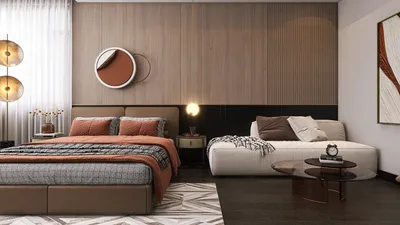


There was a time when I mistakenly installed wall sconces upside down during a hectic day packed with client meetings. Instead of radiating elegance as uplights, they resembled sleepy moons! The light-hearted laughter from my client transformed that little blunder into a valuable lesson. It highlighted just how impactful properly placed sconces can be in a room. In particular, smaller spaces greatly benefit from intelligent lighting solutions, as the right indoor wall light sconce can introduce depth, direction, and personality, all while preserving valuable square footage.
1. Slim Profile Swing-Arm Sconces
When a room requires adaptable task lighting without the bulkiness of traditional lamps, my preferred choice is slim swing-arm sconces. They conveniently fold flat when not in use and can be extended for activities like reading or focused tasks, making them perfect companions alongside narrow sofas or in compact bedrooms. However, take note of the extra hardware on the wall – it's advisable to anchor them securely; otherwise, the installation remains easy and budget-friendly.
save pin
2. Integrated LED Strip Sconces
Modern integrated LED strip sconces emit a continuous glow that can visually expand narrow hallways and cozy living areas. Recently, I incorporated them into a studio makeover, creating an illusion of taller ceilings. The inviting and even illumination fostered a serene ambiance. While energy-efficient, be mindful that altering the color temperature can be challenging, prompting a thoughtful approach to lighting layer planning.
save pin
3. Adjustable Spotlight Sconces
With adjustable spotlight sconces, you can effectively showcase artwork, textured walls, or architectural details within a minimal footprint. In one of my condo projects, two petite spot sconces transformed an uninspired alcove into an eye-catching gallery wall, enhancing the overall curated feel of the room. While they do focus the light more precisely, pairing them with ambient lighting helps mitigate harsh shadows.
save pin
4. Decorative Glass Shade Sconces
Adding decorative glass shade sconces introduces elegance and softness to a space — consider blown glass or ribbed shades that beautifully diffuse light. I recommended these to a client seeking vintage allure without the presence of cumbersome chandeliers. The outcome was intimate lighting infused with distinctive visual character. A word of caution, however: textured glass requires periodic cleaning to maintain its crisp appearance.
save pin
5. Motion Sensor and Smart Sconces
For small entryways and bathrooms, motion sensor or smart sconces revolutionize convenience. They automatically activate when needed and conserve energy, a significant advantage for my bustling family home. However, watch out for occasional false triggers in high-traffic areas. Fortunately, today’s modern sensors feature enhanced intelligence, allowing for sensitivity adjustments via an app.
save pin
Tips 1:
When installing sconces, a practical tip is to position them approximately at eye level (60–66 inches from the floor) for most spaces, layering them with overhead or floor lighting to evade flat illumination. To visualize spatial arrangements, consider an online room planner to simulate placements before committing to any drilling — I frequently employ digital floor plans for sketching various heights and distances.
save pin
FAQ
Q1: What is the ideal height for mounting indoor wall light sconces?
A1: For general use, aim for a height of about 60–66 inches from the floor at the center of the sconce; adjust slightly based on seating or countertop levels.
Q2: Can sconces serve as the primary light source in a room?
A2: Yes, in smaller spaces or corridors, they can serve as the main light source, but combining them with ambient or ceiling lighting provides better overall illumination.
Q3: Are LED sconces a worthwhile investment?
A3: Definitely — LED fixtures have a longer lifespan and are energy-efficient, proving to be cost-effective over time despite higher initial costs.
Q4: How do I decide between hardwired and plug-in sconces?
A4: Hardwired sconces offer a neater appearance, ideal for permanent installations, while plug-in options provide flexibility, making them suitable for renters without the need for electrical modifications.
Q5: Which types of sconces are best suited for compact spaces?
A5: Slim swing-arm, integrated LED strips, and spotlight sconces are optimal choices, as they utilize minimal space while delivering functionality.
Q6: Are sconces available with dimming capabilities?
A6: Yes, plenty of LED sconces offer dimmable features; just ensure that the fixture corresponds with the dimmer for smooth operation.
Q7: What maintenance do glass shade sconces require?
A7: Regular cleaning with a soft cloth and mild cleaner is essential; handle shades carefully to prevent any chipping.
Q8: How can I visually test sconce layouts prior to installation?
A8: I suggest utilizing a 3D floor planning tool or room planner to trial placements — many designers, including myself, depend on digital prototypes. For reliable guidance on lighting standards, refer to the Illuminating Engineering Society (IES) recommendations at https://www.ies.org/.
save pin
Homestyler is your go-to online platform for home design. With its user-friendly design tool, stunning 3D renderings, and a wealth of DIY video tutorials, it makes transforming your space into a dream home easy and exciting. Start creating today!
Progetta ora GRATIS
































