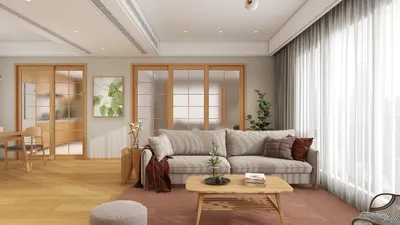


I vividly recall the moment a client tasked me with fitting three children, two desks, and a mini-wardrobe into a mere 9 m² space. Their suggestion of using a bunk bed as an “easy” solution was anything but simple. After sketching and measuring multiple options and facing a few setbacks, I discovered innovative solutions that salvaged both the project and my sanity. Throughout this journey, I utilized Homestyler room examples to compare various bunk bed designs suitable for compact areas.
1: Loft-style IKEA combinations to maximize floor space
Transforming a mattress into a multi-functional platform is one of my favorite strategies: by elevating the upper bed, you can create a convenient study nook or a playful area beneath. IKEA offers modular options that seamlessly integrate with desks and shelves, providing a cohesive and stylish all-in-one solution. The major benefit is the significant increase in usable floor space; however, attention to ceiling height and ladder safety is crucial.
save pin
2: Staggered bunks for improved headroom and movement
Staggered bunk beds offset the upper sleeping area, allowing each occupant more headroom while providing better circulation along the walls. This configuration is perfect if you’re looking to add a chair or a slim dresser at the foot of the bed. Though it may be slightly more challenging to construct than standard bunk beds, the comfort it offers in narrower rooms makes it well worth the effort.
save pin
3: Built-in storage within bunk bed frames
One of my favorite hacks involves integrating drawers and cubbies directly into the bunk frame, effectively replacing clunky wardrobes while keeping toys organized. IKEA’s straightforward drawer modules fit perfectly beneath lower bunks, and utilizing labeled bins can facilitate quick organization. Just bear in mind that this may reduce the under-bed clearance, so it's essential to plan the drawer depth in relation to the mattress and base.
save pin
4: Twin-to-full or convertible bunk beds for growing children
I commonly advocate for convertible bunks that can later be separated into two distinct beds; such an option is a long-term victory in the event your living situation changes. Many of IKEA’s slatted frames can be modified accordingly, and it is vital to include guardrails and a sturdy ladder for safety during the conversion. This choice may be a bit pricier at first, but it alleviates the need for future replacements and maintains flexibility for resale.
save pin
5: Enhancing style and lighting to create a sense of spaciousness
Opt to paint the ceiling a light, soft hue and incorporate layered lighting: a warm bedside lamp for reading paired with an overhead strip for overall illumination. I prefer low-profile wall sconces or clip lamps to avoid head bumps and maintain a tidy aesthetic — plus, adding small shelves keeps bedtime stories conveniently at hand. For clients wishing to visualize these selections in 3D, I often use Homestyler to provide layout previews, allowing them to experience the space before construction begins.
save pin
FAQ
Q1: Are IKEA bunk beds suitable for small rooms?
IKEA bunk beds comply with international safety standards when installed correctly. It’s important to adhere to guidelines regarding maximum height, guardrail requirements, and mattress dimensions. Always consult the manufacturer's instructions and local safety recommendations.
Q2: What ceiling height is required for a bunk bed?
Ensure at least 75–90 cm of clearance above the top mattress, allowing the upper sleeper to sit up comfortably. If ceiling heights are limited, consider loft solutions or single beds instead.
Q3: How can I incorporate storage without crowding the space?
Employ vertical storage options, under-bed drawers, and wall-mounted hooks; maintaining visible floor space generally enhances the perception of roominess. Opt for slim, tall shelving with closed bins to conceal clutter and maintain an organized appearance.
Q4: Can I convert an IKEA bunk into two separate beds later on?
Many IKEA bunk bed models are designed to split or be converted into single beds; it's advisable to check specific products for their conversion capabilities and necessary hardware during your purchase decision. I often strategize for modularity at the outset.
Q5: How do I select the appropriate mattress thickness for bunk beds?
Adhere to the manufacturer's maximum mattress thickness guidelines for safety — thicker mattresses could diminish guardrail effectiveness. Measure and confirm the upper bunk’s guardrail clearance prior to finalizing your mattress choice.
Q6: What are some quick solutions for narrow bedrooms with bunk beds?
Implement staggered bunks, elevated desks, and wall-mounted lighting to reclaim floor space and enhance movement. Lighter paint colors and mirrored surfaces can contribute to a visually larger setting.
Q7: Where can I view real-life layout ideas and examples?
I often utilize curated case studies to present various configurations to clients; you can explore similar visual examples through kitchen layouts to adapt compact design principles throughout your space.
Q8: Are there established safety standards for bunk beds?
Yes, guidelines from the U.S. Consumer Product Safety Commission (CPSC) exist, detailing requirements for guardrails and age recommendations regarding bunk bed use (see: https://www.cpsc.gov/Safety-Education/Safety-Education-Centers/cribs-bunk-beds).
save pin
Homestyler is an exceptional online home design platform that caters to all your design needs. With its user-friendly design tool, stunning 3D renderings, and a wealth of DIY video tutorials, you'll find everything you need to create your dream space effortlessly. Transform your home today!
立即免费设计
































