


Maximizing small spaces requires furniture that maximizes functionality without overwhelming the area. A small side table with a glass top is the perfect candidate—providing practical surface area while maintaining a light visual footprint. Recent workplace studies by Gensler indicate that 33% of individuals engage in tasks outside traditional desk environments, highlighting the necessity for adaptable and compact surfaces that facilitate mobility rather than confinement. The WELL v2 framework stresses the importance of visual connections and access to natural light for enhancing mental wellness, and a transparent table achieves both, aiding in the preservation of an airy ambiance and uninterrupted light flow.
Ergonomically speaking, the optimal height for side tables typically ranges from 18 to 24 inches to match the seat height of sofas and chairs. Steelcase’s research indicates that variations in posture can lead to increased comfort and focus throughout the day, making easily accessible, stable surfaces essential for light tasks like reading, jotting notes, or briefly supporting a laptop. Opting for a glass top on a sleek frame not only keeps usable surface area intact but also minimizes visual clutter—a small adjustment that has significant influence in tight living environments.
Why Glass Tops Are Ideal for Compact Areas
Glass’s transparency minimizes visual bulk. When you look through the tabletop, your view of the floors and walls creates the impression that the furniture occupies less space. This results in calmer pathways and an enhanced sense of openness—especially beneficial near windows where managing glare and diffusion of light is crucial. Tempered, low-iron glass is recommended for its sharp edges and reduced green tint; choose options with polished or beveled edges to prevent harsh reflections and micro-glare from directed lighting.
Perfect Size, Perfect Height, True Comfort
Proportions are crucial. A tabletop diameter between 14 and 20 inches fits snugly in smaller living rooms, while 12 to 16 inches works well in reading corners. Ideal heights of 18 to 22 inches complement most sofas, which typically have seat heights around 17 to 19 inches. Aim to keep the top’s center within 16 to 20 inches of reach from the primary seat arm, ensuring comfortable arm positioning that avoids awkward stretching. For bedside tables, align with the height of the mattress top or position it 1 to 2 inches lower so that lamps and water can be seen and accessed effortlessly.
Base Design and Stability
Stability derives from intelligent base design. Tripod bases accommodate uneven surfaces and glide across rugs without unsteadiness. A weighted disc base paired with a slim column provides a compact yet sturdy solution for limited spaces. A C-shaped design can slide under couches, offering a convenient surface for a laptop or your morning coffee. Ensure the base occupies at least 60 to 70% of the glass top’s diameter for stability; for a 16-inch table, a 10 to 12-inch base will feel secure. Adding subtle felt glides can safeguard your floors and dampen minor vibrations.
Material Combinations: Glass, Metal, Wood
Glass beautifully complements frames in matte black, warm bronze, or brushed nickel. In Scandinavian decor, utilizing ash or white oak bases infuses warmth beneath a clear top. For bright, minimalist aesthetics, powder-coated white frames help maintain an open vibe. If you desire contrast, consider using smoked or gray-tinted glass with a warm brass base—but be cautious about reflections near windows; darker glass may amplify mirrored effects, so position it away from direct glare.
Lighting, Glare Management, and Placement
A small glass table can reflect bright light sources when placed under intense downlighting. Aim for a layered lighting approach: soft ambient light at 2700 to 3000K for living areas, along with targeted task lights featuring cutoff shades to minimize reflections. Adjust angle lamps to prevent direct glare in seating areas. Maintain a distance of 12 to 18 inches from main walkways to avoid accidental bumps, and align edges parallel to seats for a cohesive look. When considering various furniture arrangements, employing a room layout tool such as Homestyler can help assess flow and accessibility before making purchases or assembling pieces.
Storage Solutions and Multi-Use Options
Small tables frequently serve dual purposes as chargers, plant holders, or nightstands. Since cable grommets are seldom found in glass furniture, think about attaching clamp-on cord organizers along the base or using an adhesive channel beneath the tabletop. For those needing a spot for remotes and coasters, look for a secondary shelf made of clear or frosted acrylic underneath the glass to keep the airy feel intact while providing extra storage. Nesting tables are a smart alternative, allowing for flexibility when hosting guests and easy storage when traffic increases.
Color Perception and Visual Harmony
Transparent tabletops soften the color scheme, allowing accent shades to stand out without overwhelming. When a room already has vibrant fabrics or patterned carpets, the glass surface acts as a visual pause. An overview by Verywell Mind connects cool color tones with feelings of space; pairing a clear top with cool neutral frames enhances the light, open feel. In contrast, a warm metallic base can provide balance if the space feels overly light or disorganized.
Sound and Texture Considerations
Glass not only reflects light but also sound. To minimize noise, introduce small silicone bumpers between the tabletop and frame, and use soft coasters. Incorporating rugs beneath or around the table can absorb high-frequency sounds, enhancing acoustic comfort in compact areas. Opt for low-iron tempered glass with a thickness of 8 to 10 mm for a sturdy, less resonant feel.
Safety, Upkeep, and Longevity
Always select tempered glass with smooth, finished edges for safety. In households with children or pets, rounded or oval tops cut down on sharp edges. For cleaning, utilize a microfiber cloth with a non-ammonia cleaner; matte finishes on frames are better at concealing fingerprints than polished surfaces. When layering plants, place them on trays to prevent mineral stains. Routinely check set screws on column or tripod bases every few months to ensure stability.
Stylish Arrangements That Don’t Overwhelm
Keep decorations minimal with a low-profile lamp, a singular sculptural piece, and a compact stack of books for a tidy look. Employ a 60/30/10 ratio, designating 60% for negative space, 30% for functional items, and 10% for decorative elements. In small apartments, pairing a 16-inch round glass table alongside an armless chair and a strategically placed floor lamp creates a functional yet uncluttered reading zone.
Design Considerations for Studio and Small Living Spaces
In studio apartments, a glass side table can seamlessly fit between a sofa and an accent chair as long as the reach zone accommodates both. Position it slightly forward of the sofa arm to prevent guests from needing to reach across one another. When experimenting with various placements and movement routes around beds and sofas, utilize an interior design planner like Homestyler for quick spatial assessment before finalizing any purchases or custom setups.
- Tabletop diameter: 14–20 inches for living spaces; 12–16 inches for nooks
- Height: 18–22 inches for sofas; match mattress height for bedsides
- Glass: opt for tempered, low-iron, 8–10 mm thickness; choose polished edges
- Base options: tripod, weighted disc, or C-frame; footprint should be at least 60–70% of the tabletop diameter
- Finish: select matte or brushed finishes to minimize glare and fingerprints
Frequently Asked Questions (FAQ)
Q1. Is tempered glass suitable for daily use in compact homes?
A1. Absolutely. Tempered glass is designed to be significantly stronger than regular glass, and if it breaks, it shatters into small, safe pieces rather than sharp shards. Ensure edges are finished and that proper mounts are used.
Q2. What is the appropriate height for a side table beside a sofa?
A2. Aim for a height of 18 to 22 inches, which is close to the usual seat height of sofas (generally 17 to 19 inches). This positioning allows for easy access to items and supports neutral wrist and shoulder ergonomics.
Q3. Can a glass top create glare in well-lit rooms?
A3. It may if placed beneath strong downlights or directly opposite unshaded windows. Utilize diffuse lighting, ensure the table is out of direct light angles, and select matte or brushed metal bases to mitigate reflections.
Q4. How can I keep a glass table looking uncluttered?
A4. Limit your decorations to two or three items, preserving at least half the surface as open space. Employ clear coasters and low-profile trays to organize smaller objects without adding to visual density.
Q5. Which base style offers the best stability on rugs?
A5. Tripod bases adapt well to uneven rug edges. Weighted disc bases perform well too, provided the disc size is appropriately scaled to the top (about 60 to 70% of the glass diameter).
Q6. Is it feasible for a small glass side table to double as a laptop stand?
A6. Yes, for intermittent use—especially with a pull-up C-style base. Just keep the load light, avoid leaning on the table, and ensure a balanced base to prevent tipping.
Q7. What’s the most effective way to keep a glass surface streak-free?
A7. Use a microfiber cloth along with a non-ammonia cleaner, wiping in overlapping strokes. Finish by buffing with a dry cloth and incorporate silicone bumpers to reduce minor movements that lead to smudges.
Q8. How should I choose between clear, smoked, or frosted glass?
A8. Clear glass maximizes openness, smoked glass offers depth and conceals minor smudges while potentially intensifying reflections, and frosted glass disperses light and hides fingerprints, although it tends to visually read as heavier compared to clear.
Q9. Are rounded tops preferable for tight spaces?
A9. Yes, rounded or oval tops help soften moving paths and minimize the risk of bumping into corners, especially beneficial near beds, tight hallways, or small living rooms.
Q10. Can a glass side table enhance the feeling of spaciousness?
A10. Indeed. Its transparent nature allows the eye to perceive the floor underneath, effectively reducing clutter and amplifying the sense of openness in any room.
Q11. Which finishes complement warm designs best?
A11. Brushed brass, bronze, or warm wooden bases beneath a clear top harmonize nicely with warm textiles and woods, counterbalancing the cool transparency of glass.
Q12. How do I effectively arrange a table in a studio apartment?
A12. Maintain the table within a 16 to 20-inch reach from primary seating and ensure at least 12 inches of clearance from main walking paths. Rapidly test layout options using Homestyler to confirm reach and traffic flow prior to making any purchases.
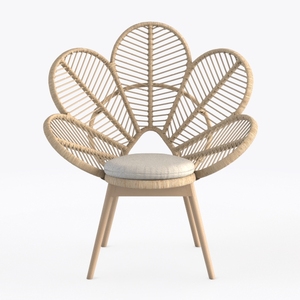
Bohemian Rattan Flower Shaped Accent Chair with Linen Cushion 3D Model

Safavieh Home Soleil Natural and White Leather Wov

Bohemian Rattan Round Coffee Table 3D Model
Looking to transform your space? Homestyler is your go-to online home design platform. Its user-friendly design tool, stunning 3D renderings, and an array of DIY video tutorials empower you to visualize and create your ideal home effortlessly. Discover inspiring design projects today!
Zaprojektuj teraz za darmo
































