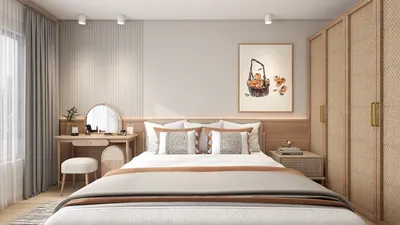


I had a client once who envisioned a daybed simultaneously facing the window, the door, and the TV. After sketching multiple layouts, we finally devised a design that allowed the room to breathe, teaching me an important lesson: creativity thrives under constraints. For those embarking on small room planning, a compact daybed often emerges as the star, maximizing space while infusing personality into the room.
1. Customized built-in daybed with drawers below
I am a huge fan of built-ins due to their sleek appearance and abundant storage potential. A low platform daybed equipped with full-width drawers effectively conceals linens, seasonal garments, and children's toys — a priceless solution for small spaces. Although the initial carpentry investment may appear high, it typically yields savings by forgoing a bulky dresser.
save pin
2. Daybed with a window view and additional shelves
Positioning a slim daybed under a window transforms a cramped corner into a cozy reading nook, harnessing natural light to amplify the space. Adding shallow floating shelves or a slim ledge for books and a lamp creates a snug environment without clutter. This approach is budget-friendly and has a personalized touch, though precise measurements are crucial to avoid obstructing window sills.
save pin
3. Convertible sofa-table daybed for adaptable living
A space-saving sofa that can transition into a daybed offers flexibility: it serves as seating during the day and a sleeping area by night. I often sketch out the necessary movements and clearances early on to prevent the mechanism from colliding with walls or side tables — visualizing layouts prior to purchase is very beneficial. This option is cost-effective, but it’s advisable to check the thickness of the mattress, as slimmer pull-out mattresses may sacrifice long-term comfort.
save pin
4. Lofted daybed maximizing vertical space
In situations where floor space is limited, consider going vertical. A lofted daybed opens up the floor area for a desk or play space beneath, establishing distinct zones within a single room. While the construction may be slightly more intricate and require sturdier supports, the reward is significantly increased usable space and a fun, adventurous atmosphere.
save pin
5. Corner daybed nook with curtains for added privacy
Transforming a small corner into a daybed nook with simple curtains gives a studio or shared room the illusion of separate zones. Curtains are a low-budget yet reversible option if you later choose to refresh the look. When deciding on placement, it’s essential to consider sightlines and pathways so that the nook appears intentional rather than cramped — a guide on daybed placement can aid in avoiding awkward obstructions to natural movement.
save pin
Practical advice and budget considerations
Opt for a mattress thickness that ensures comfort while maintaining a low profile: 6–8 inches are typically suitable for daybed use in compact spaces. If on a tight budget, modular solutions or an off-the-shelf trundle can provide a similar effect to custom built-ins without the hefty price tag. Always measure doorways and stairwells before purchasing oversized furniture pieces.
save pin
Frequently Asked Questions
1. What size daybed works best in small rooms? For most compact areas, a twin (38" x 75") or three-quarter model is ideal; ensuring at least 24" of clearance in walkways is crucial. Twin daybeds maintain proportional seating while still functioning as a single sleeper space.
2. Can a daybed provide comfort for overnight guests? Absolutely — selecting a higher-density foam or a proper mattress topper can significantly enhance support. Convertible sofas may require thicker toppers to ensure mattress comfort for regular sleeping.
3. How much storage can realistically fit beneath a daybed? Quite a fair amount: full-width drawers or a trundle box can hide bedding, seasonal clothing, or toys. Built-ins can optimize this storage, but ready-made drawer frameworks offer a budget-friendly alternative.
4. Are lofted daybeds safe for children? They can be, provided they are constructed to code with appropriate guardrails and secure ladders; adherence to local building codes is critical, and consideration of age-appropriate heights is advisable. Supervision of younger ones and selection of durable materials is essential.
5. What is the recommended mattress thickness for a daybed? Many designers advocate for a thickness between 6–8 inches for daybed profiles to ensure a comfortable seat height; for sleeper sofas or frequent use, aiming for thicker comfort materials is recommended. Following guidelines, such as those from IKEA regarding mattress dimensions, guarantees compatibility with frames and mechanisms before making a purchase.
6. How can I prevent a daybed area from appearing cluttered? Stick to just two to three accent pillows, a throw, and one side table for essentials. Utilize hidden storage options and neutral base fabrics so that decor changes do not overwhelm the compact space.
7. Is a trundle a worthwhile addition? If you occasionally accommodate overnight visitors, a trundle provides a fantastic solution that doesn't take up daytime space. Though less convenient for daily use, it's excellent for added flexibility.
8. Can I create a daybed myself? Yes — simple platform frames are achievable for many DIYers and can incorporate customized drawers. If you lack confidence in building load-bearing structures, it’s wise to consult a carpenter for lofted or integrated designs.
save pin
Homestyler is your go-to online platform for home design! With its user-friendly design tool, stunning 3D rendering, and a wealth of inspiring design projects and DIY video tutorials, you'll effortlessly create your dream space—no prior experience needed!
Zaprojektuj teraz za darmo
































