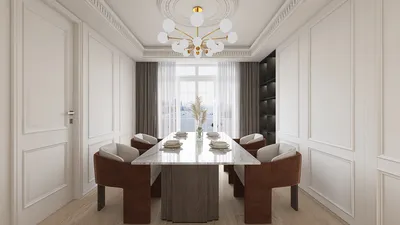


Creating a compact residence in the Philippines requires meticulous attention to detail, as every square meter is vital, natural light becomes essential, and fresh airflow contributes significantly to comfort. I have discovered that well-planned small interiors prosper when elements like circulation, storage, and illumination are thoughtfully managed. Research indicates that effective space management plays a crucial role in optimizing performance for both work and home environments. For example, WELL v2 guidelines advocate for increased access to natural light and views to enhance well-being and cognitive function, aiming for light exposure that supports circadian rhythms. Additionally, IES recommends that living spaces typically receive 100–300 lux of ambient light, while task areas—such as kitchens—should be illuminated at 300–500 lux. These benchmarks guide my approach to establishing varied lighting layers, ensuring that even small rooms feel tranquil yet accommodating, aided by tools like Homestyler for design.
From a behavioral standpoint, minimizing obstacles and clarifying pathways can significantly lower cognitive load and reduce stress. Steelcase’s research suggests that environments conducive to focus and varied postures are linked to heightened perceptions of productivity. Translating this to smaller homes involves selecting appropriately sized furniture, emphasizing ergonomic designs, and defining spaces for reading, dining, and work without overcrowding. Insights from color psychology reveal that employing cool neutral tones can create an illusion of increased space while bold hues can energize particular areas. For resilience against the humid tropical climate, it’s also imperative to consider materials that mitigate mold growth, manage solar heat, and enhance sound insulation.
Key Design Considerations for the Philippine Climate
To effectively combat the tropical heat, humidity, and blinding sun, a design strategy emphasizing passive techniques is crucial. Prioritizing cross-ventilation is fundamental: position operable windows on opposite sides of the house and utilize louvered internal doors to facilitate airflow. For windows, having overhangs of 600–900 mm where suitable can help shield against direct sunlight; incorporating vertical fins on west-facing walls can significantly cut down on glare. Ideally, living areas should be oriented towards the cooler east or north sides, while the west side can accommodate storage or utility functions. Even a narrow clerestory window measuring 300–400 mm can effectively channel heat upwards, enhancing the stack effect. Coupling this with light-colored, high-reflective exterior paints minimizes heat absorption, and opting for breathable interior finishes prevents moisture retention.
Effective Space Planning for Small Interiors
Begin the layout by ensuring that circulation paths measure 800–900 mm to facilitate easy movement around key areas. Cleverly integrating storage solutions like under-stair drawers, recessed niches between studs, headboard cabinetry, and benches with lift-up lids can maximize space utility. In a home with a footprint of 24–40 square meters, I prefer a unified living-dining area complemented by a pocket or sliding door leading to a compact bedroom; this arrangement reduces space constraints caused by swinging doors. If experimenting with various configurations is needed, utilizing a room layout tool—such as Homestyler—can simulate different furniture layouts, window placements, and movement patterns.
Creating Layered Lighting for Compact Spaces
To achieve optimal illumination, ambient lighting should be set at approximately 150–250 lux within living and dining areas, with emphasis on even distribution to prevent harsh brightness contrasts. Task lighting, particularly in kitchens, work areas, and vanities, should reach between 300–500 lux utilizing under-cabinet lights or adjustable lamps. Accent lighting can introduce 75–150 lux to highlight art or shelving niches, adding depth without cluttering the visual space. It’s important to maintain a consistent color temperature of 2700–3000K in living areas for warmth, while kitchens may benefit from a cooler 3500K range for clarity. Effective glare control employs shielded fixtures, matte finishes, and light-filtering blinds to mitigate the intense brightness characteristic of tropical locales.
Utilizing Color, Texture, and Spatial Perception
Adopt a low-contrast color scheme using warm whites, light sands, or pale grays to create a seamless effect that expands spatial perception. Introduce one bold color accent—like terracotta or deep olive—on focal points, such as a door or accent wall, to ground the design. Implement vertical grain textures and ribbed surfaces to visually elongate walls, while horizontal alignment can offer width. Opting for glossy ceilings can enhance light reflection, conversely keeping wall finishes matte can minimize glare. Avoid dark, heavy flooring in small rooms unless lighter shades dominate the walls and ceilings to maintain a sense of balance.
Adaptive Furniture Choices for Small Living
Select versatile furniture that caters to transformation: a drop-leaf table that can accommodate six during gatherings, nesting side tables that can be tucked away, sofas with under-seat storage, and platform beds featuring lift-top storage. Implementing sliding or pocket doors can free up space that traditional swinging doors would utilize. In compact kitchens, consider 600 mm deep work surfaces paired with 450 mm shallow upper cabinets to enhance headroom; utilizing a small two-burner stove, single-bowl sink, and compact dishwasher can optimize cabinetry usage. Additionally, maintain low-profile furniture in living rooms to ensure clarity of sightlines and allow ample daylight access.
Approaches to Ventilation, Moisture Control, and Indoor Air Quality
In humid environments, it’s essential to design for effective daily air circulation. Incorporate operable windows at different heights, and ceiling fans that operate in reverse to promote airflow. Ensure exhaust fans in kitchens and bathrooms are vented directly outside as opposed to into ceiling spaces. To combat moisture, select materials that withstand humidity such as fiber cement boards and marine-grade plywood, and utilize low-VOC paints. A shoe bench at the entrance can help minimize particulate entry, while washable rugs and removable covers simplify maintenance.
Acoustic Comfort in Small Living Spaces
In compact homes, noise can accumulate quickly. To counteract this, layer soft materials in the environment such as lined drapes, area rugs with felt undersides, upholstered dining furniture, and acoustic wall panels in areas prone to echo. Install seals on door edges to isolate sound in bedrooms. In multi-level tiny homes, consider adding mass-loaded vinyl or rubber underlayment beneath floors to mitigate impact sounds.
Maximizing Outdoor Spaces: Utilize Every Square Meter
Even a 1–1.5 meter deep porch can serve as a breakfast nook or workspace if properly shaded and equipped with a fan. Utilize adjustable bamboo screens or roll-down shades to diminish afternoon glare. Implement balcony planters with native plants for both privacy and cooling benefits through evapotranspiration. If zoning allows, a small service yard with permeable pavers can accommodate laundry functions without intruding on indoor space.
Strategies for Kitchens and Baths in Tropical Climates
Design the hot zones of kitchens compactly, ensuring that the cooktop, countertop, and exhaust are aligned with an external wall. Choosing matte light-colored countertops can reduce glare, and supplementing with under-cabinet lighting ensures 300–500 lux during food preparation. Opt for corrosion-resistant fittings (304/316 stainless steel) and ensure cabinetry is moisture-sealed. In bathrooms, create a slight slope of 1–2% towards drains, ensure aggressive ventilation, and select textured porcelain tiles to prevent slips. Wall-mounted vanities are a great addition, freeing up floor space and simplifying cleaning.
Disappearing Storage Solutions
Think vertically by incorporating full-height cabinets reaching 2400–2700 mm high with ladders for seasonal item storage. In living areas, design shallow wall systems (200–250 mm) for books and decorative items. Integrating mirrored wardrobe doors can improve light reflection and create a feeling of depth. Entryways can benefit from organized drop zones featuring concealed hooks, mail slots, and shoe drawers to manage clutter and maintain a tidy interior.
Safety, Building Regulations, and Human Factors
Ensure a minimum egress width of 900 mm is maintained where feasible, while keeping pathways in compact kitchens at 750 mm clear between counter runs. Round corners on furniture in tight areas to enhance safety. For staircases, a tread of 250–280 mm combined with risers measuring 170–190 mm provides comfort while traversing. Handrail heights should range between 850–950 mm for continuous support. Implementing night lighting at 1–3 lux along pathways, such as toe-kick LEDs, aids navigation without disturbing sleep.
Budget-Conscious Material Selections
Opt for finishes that are resilient and have longevity: engineered bamboo or SPC flooring with sound dampening underlayment, cementitious microtopping for a uniform appearance, low-VOC washable paints, and compact laminate for moisture-heavy cabinetry. Ensure roofs are light-colored and feature radiant barriers, as well as considering ventilated roof designs to lessen air conditioning demands. In areas prone to coastal wear, select anti-corrosive fasteners and powder-coated aluminum frameworks.
Planning Tools and Iterative Design Approaches
Before commencing construction, explore several layout alternatives to analyze daylight exposure, storage capabilities, and flow dynamics. Using a simple interior layout planner can expedite design decisions, helping to identify conflicts early—particularly revolving around door swings and appliance clearances. Consider a layout simulation tool, like Homestyler, to visualize movement patterns, seating layouts, and sightlines effectively.
Standards for Light and Well-Being
When optimizing lighting and overall comfort, I refer to comprehensive guidelines from WELL v2 (which includes recommendations for daylight access, glare mitigation, and quality of electric light) alongside IES illuminance standards targeted at residential activities. These frameworks enable me to align small home designs with the principles of human performance and well-being, even in constrained living spaces.
Common Queries
For open layouts, ensure clear sightlines and minimize door swings by utilizing sliding or pocket doors. Unifying flooring styles across spaces and adopting low-contrast palettes can enhance cohesiveness. Incorporating vertical storage solutions will help lift clutter off the ground and placing mirrors on wardrobe doors can create a sense of depth.
Aim for uniform ambient lighting levels of 100–250 lux in living spaces and 300–500 lux in areas like kitchens and reading nooks. Balancing natural light with light-filtering shades can help mitigate glare, especially in the afternoons on west-facing windows.
Foster cross-ventilation by implementing opposing openings, louvered doors, ceiling fans, and sufficient shaded exterior overhangs. Exhaust system should vent heat and moisture in kitchens and bathrooms directly outside.
Utilize warm whites and soft neutrals to reflect heat while also expanding the feeling of space. A singular bold accent can serve as a focal point without making the space feel smaller.
Maintain a straight or L-shaped kitchen design with a 600 mm counter depth, integrate under-cabinet lighting, and choose suitably sized appliances such as a two-burner cooktop and a compact refrigerator. Prioritize deep drawers over conventional doors to enhance access.
SPC or porcelain tiles are excellent for moisture resistance and stability. Pair them with corrosion-resistant trims and stainless fixtures. Consider breathable underlays where sound qualities are important.
Absolutely—layer soft finishes like rugs and upholstered wall panels, use lined curtains, incorporate bookshelves as acoustic diffusers, and apply sealing techniques on bedroom doors to enhance sound isolation.
Optimize storage by integrating it into walls and beneath furniture: consider recessed niches, under-stair drawers, platform beds, and using full-height cabinets with shallow designs. Keep accessible items within reach, while seasonal storage can be elevated.
Utilize 2700–3000K lighting in bedrooms and living spaces for a cozy and inviting atmosphere, and employ 3500K in kitchens and studies to ensure clarity without appearing too sterile.
Refer to the WELL v2 guidelines for effective daylight, glare, and air quality measures, along with IES standards for illuminance levels according to activity type. These serve as reliable foundations for human-centered design in small homes.


Holward 64 in. Brown Specialty Wood Sofa Console T

Meridian Furniture 77054Natural Everson Collection
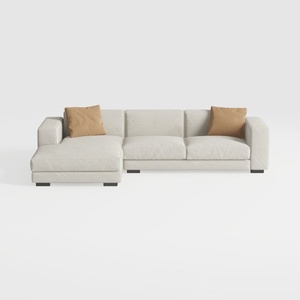
Minimalist Fabric L Shape Sectional Sofa with Throw Pillows 3D Model
Homestyler is your go-to online home design platform for turning your creative visions into reality. With its user-friendly design tool, stunning 3D renderings, and a wealth of DIY video tutorials, you’ll find everything you need to inspire and guide your interior projects.
Progetta ora GRATIS
































