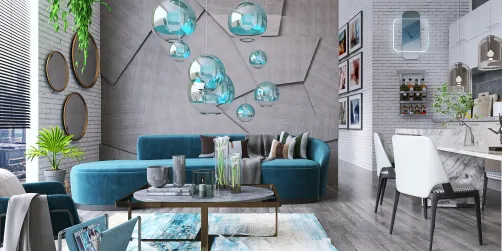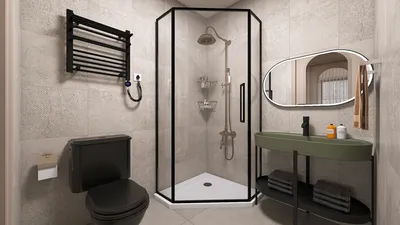



I once assisted a client in Manila who had a vision for their compact 22 sqm studio, wanting to fit in a king-sized bed, a workspace, and a dining area for six. I still chuckle at that consultation! This challenging scenario revealed that even small spaces can inspire innovative solutions, and with some strategic planning, you can reclaim precious square meters without needing magic. If you're navigating the complexities of a tiny condo in the Philippines, my first step often involves creating simple, space-efficient room layouts to quickly evaluate furniture arrangements.
1. Versatile Furniture: Foldable, Slide-Out, and Multifunctional
I am fond of Murphy beds and foldable dining tables that transform into shelves — they feel like clever tricks for everyday living. The benefits are significant: each piece serves dual functions, conserving floor space. However, custom furniture can be pricey, though there are now many affordable modular options available. A tip: choose items with built-in storage to maximize benefits further.
save pin
2. Harnessing Light and Mirrors for Impact
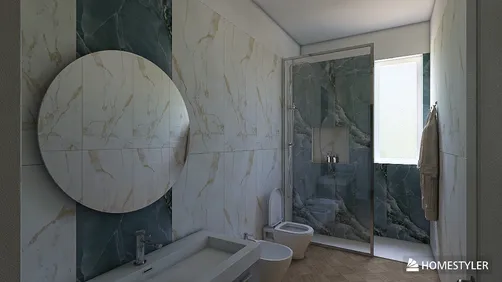
In Philippine apartments, natural light is a fantastic asset; I position seating and workspaces toward the sunniest wall and opt for sheer curtains to maintain an open atmosphere. Mirrors strategically placed opposite windows can enhance light and depth — a cost-effective solution often more impactful than a fresh coat of paint. Just be cautious with excessive reflective surfaces, as they may highlight clutter; balance mirrors with neat storage solutions.
save pin
3. Kitchen Zones: Small Yet Potent
In many Filipino homes, the kitchen serves as both a gathering place and a functional area, so I design compact work triangles that place cooking, prep, and cleaning zones just steps apart. When redesigning a galley or L-shaped kitchen, I draft compact layouts to assess appliance placements — this helps avoid the common pitfall of purchasing ill-fitting items. The downsides? You might sacrifice some counter space, but features like pull-out prep boards or wall-mounted racks can effectively compensate.
save pin
4. Go Vertical: Innovative Storage and Loft Solutions
To maximize floor area in Philippine flats with reasonable ceiling heights, I often rely on high shelves, overhead cabinets, and lightweight loft beds. For instance, I once crafted a lofted sleeping space for a client in Cebu, which significantly expanded their living area; however, access with a ladder can be challenging for some older family members. A mixed approach of lower cabinets paired with higher open shelves ensures accessibility for everyone.
save pin
5. Visual Planning: 3D Models and Effective Staging
I always advise clients: investing time in digital planning can lead to savings in the real world. To avoid regrettable purchases, utilize tools to visualize your space and play around with rug sizes, sofa dimensions, and door swings — this prevents buyer's remorse. While it may take some time to master, the outcome is reduced returns, less waste, and a layout that genuinely aligns with your lifestyle.
save pin
FAQ
Q1: What types of space-efficient furniture are ideal for Filipino homes?
Seek out foldable beds, extendable tables, nesting stools, and sofas with built-in storage. Modular designs allow for reconfiguration as your needs evolve, which is perfect for renters.
Q2: How can I create a sense of spaciousness in a small apartment in the Philippines without renovations?
Make the most of natural light, utilize a light color scheme, select low-profile furniture, and maintain visible floors to enhance visual openness. Mirrors and unobstructed sightlines can also contribute significantly.
Q3: Is hiring a designer worth it for a small space?
Absolutely — small spaces require intelligent planning, and a designer can help steer you clear of costly mistakes related to furniture sizing and traffic flow. I've often saved clients money by preventing unsuitable purchases.
Q4: Do you have any affordable tips for enhancing small home interiors?
Upgrades such as fresh paint, lighting changes, peel-and-stick backsplashes, and open shelving deliver substantial impact without a hefty price tag. Start with one area (like the kitchen) to distribute expenses over time.
Q5: Are permits necessary for interior alterations in the Philippines?
Minor interior modifications within a private unit typically do not require building permits, but any structural alterations, changes to electrical systems, or relocating plumbing may need to adhere to the National Building Code of the Philippines (PD 1096). Refer to official documentation for clarity (Presidential Decree No. 1096, Official Gazette: https://www.officialgazette.gov.ph/1976/03/27/presidential-decree-no-1096/).
Q6: What flooring options are best for small tropical homes?
Consider light-toned wood-like tiles or vinyl planks that provide warmth while reflecting light; these materials are durable and easy to maintain in humid environments. Steer clear of busy patterns that can shrink visual space.
Q7: What are some effective strategies for designing a combined living-bedroom studio?
Use rugs to delineate areas, position taller storage behind the bed to serve as a headboard, and select furniture that looks good from different perspectives. Keeping pathways clear creates an intentional layout.
Q8: Can having plants improve small interior spaces?
Certainly — vertical plant racks, hanging plants, or a large piece of greenery can add vibrancy without occupying floor space. Just be sure to select species that will thrive in your lighting conditions and personal care routine.
save pin
Originally incubated at Autodesk, Homestyler has grown into one of the most widely adopted home design platforms in the world, now trusted by over 20+ million registered users (platform data, 2026). Whether you're a homeowner exploring ideas or a professional designer delivering client-ready renders, Homestyler brings industry-leading 3D technology to your fingertips — no experience required.
Discover your creative side with Homestyler, the ultimate online home design platform! Its user-friendly design tool, stunning 3D renderings, and a wealth of DIY video tutorials empower you to easily visualize and execute your dream home projects. Transform your space today!
Design Now for FREE






















![Design [1]](https://hs-designs.homestyler.com/production/design/images/87c3311f-b762-48e5-aa6c-2a61ff42aaa8/1731347951087/7837764.jpg?x-oss-process=image/resize,w_502,m_mfit/format,webp)