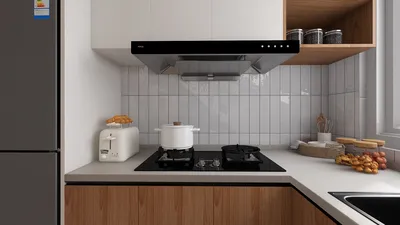


Creating a home gym doesn't necessitate a spare bedroom or an altered garage. By utilizing appropriate equipment and designing an intelligent layout, even a small corner can effectively support full-body workouts, flexibility training, and cardiovascular exercises. In my experience, the most efficient small-space gyms leverage multifunctional gear, vertical storage solutions, and maintain a designated movement area of at least 6 to 8 feet to ensure safe exercise practices.
Effective space planning incorporates real user habits and health guidelines. The WELL v2 standard emphasizes the importance of daily movement, associating heightened physical activity with enhanced well-being and productivity in both home and work environments. Steelcase research indicates that varied movement patterns can alleviate musculoskeletal stress and promote comfort over time, highlighting the advantages of flexible configurations that facilitate changes in posture and intensity. If you need to assess your layout before making a purchase, a quick assessment using a room design tool can help visualize available space and storage options. I focus on maintaining a clear pathway for lunges, floor exercises, and kettlebell routines; in smaller rooms, ensure a minimum lateral clearance of 24 to 30 inches around your exercise zone.
The influence of color and lighting on motivation and safety is significant. According to an overview of color psychology by Verywell Mind, blues can enhance a calming focus, while vibrant reds and oranges can increase energy levels—it's advisable to use color accents judiciously to prevent visual fatigue. Aim for lighting levels between 300 to 500 lux for general workouts, with warmer tones of 3000 to 3500K recommended for early morning sessions and neutral 4000K for midday. To minimize glare, consider diffusing light fixtures and positioning screens at an angle away from direct light. When utilizing video instructions, ensure that your lighting does not overshadow your display.
Core Ideas for Effective Small-Space Fitness
• Opt for equipment that serves multiple purposes and has a compact design.
• Utilize vertical storage solutions: wall-mounted racks, over-the-door systems, and bins that fit under sofas.
• Maintain a single unobstructed movement path for both compound lifts and bodyweight exercises.
• Incorporate a balance of exercise types: strength, cardio, flexibility, and recovery activities.
• Streamline setup—if it takes longer than a minute to get started, usage is likely to decline.
Essential Strength Equipment That Maximizes Space
• Adjustable dumbbells (selectable plates) consolidate an entire rack into a single set, covering weights from 5 to 50 pounds while fitting neatly under a workout console.
• Kettlebells: a set comprising one heavier 12 to 16 kg bell and a lighter 8 to 10 kg bell can accommodate a variety of exercises like swings, cleans, and presses, with the round design allowing for easy storage in corners.
• Resistance bands: both loop and tube bands provide options for horizontal pulling and joint-friendly exercises, easily stored on a low-profile peg rail.
• A compact suspension trainer can attach to a door, serving as an alternative to a pull-up bar while facilitating exercises like rows, presses, and core work without the need for permanent fixtures.
• A foldable bench or step can be used for a multitude of exercises including Bulgarian split squats and hip thrusts, and can be conveniently tucked under a bed when not in use.
Cardio Options That Don't Require Large Equipment
• Jump rope: offers an unparalleled intensity-to-size ratio; select a cable rope adjustable to your height.
• A mini stepper or compact elliptical: designed for steady-state cardio while occupying significantly less space than traditional treadmills.
• A slam ball or medicine ball: these air-free stability trainers merge cardio with power workouts and can be easily stored in a basket when not in use.
• Interval circuits: combine exercises like swings, step-ups, and jump ropes for intensive 15 to 20-minute workouts, eliminating the need for bulky machines.
Critical Mobility and Recovery Tools
• A non-slip yoga mat (5-6 mm): easily rollable, it also dampens sound on hard floors.
• A foam roller and lacrosse ball: essential for myofascial release after workouts, both can fit inside a drawer.
• A stretch strap: aids in achieving end-range mobility, especially when space is limited for dynamic stretches.
• A compact balance pad: enhances proprioception and stability without needing a dedicated area.
Design: Optimizing Every Square Foot
A micro gym thrives on a clearly defined exercise area—preferably 6 to 8 feet long and 3 to 4 feet wide. Position your mat centrally, with storage organized to one side, and utilize a wall behind you for band attachments or peg rail. For safety and ease of access, store heavier items like kettlebells and adjustable dumbbells at lower levels, while lighter items such as bands and ropes can be hung up high. If your training space also functions as a living area, establish a quick routine: roll out your mat, grab your primary weights, and clip your bands for training. In apartments, direct high-impact exercises away from shared walls to minimize disturbance. To plan your space effectively before investing in equipment, consider using an interior design planner.
Light, Sound, and Flooring Considerations
Maintaining lighting in the range of 300 to 500 lux ensures visibility during workouts; incorporating dimmers can adjust intensity based on recovery needs. Reduce glare through matte finishes and indirect lighting sources. For sound, soft furnishings—like rugs, curtains, and upholstery—help absorb noise, while a dense rubber mat under the training area protects floors and dampens impacts. To minimize noise for neighbors below, avoid dropping weights by controlling the descent and substituting plyometric exercises with lower-impact power drills such as kettlebell cleans or banded sprints.
Understanding Color Psychology for Motivation
Colors significantly influence behavior. Cooler tones (like blue and teal) aid concentration, ideal for detailed lifting, while warmer accents (such as orange and coral) can invigorate during high-intensity intervals. Keep wall colors neutral to minimize visual clutter, supplementing with small colored elements—like towels, storage bins, or artwork—to allow the space to adapt from a calm stretching area to a vibrant cardio zone without feeling chaotic.
Training Structure for Limited Spaces
In constrained areas, prioritize training by movement types instead of muscle groups:
• Push: include exercises like floor presses, banded push-ups, and kettlebell presses.
• Pull: consider suspension rows, banded pulls, and single-arm dumbbell rows.
• Hinge: kettlebell swings, Romanian deadlifts (RDLs), and hip thrusts should be included.
• Squat: goblet squats, split squats, and step-ups are essential.
• Focus on carry and core: farmer carries (for short distances), dead bugs, and various plank exercises are crucial.
Rotate through 4 to 6 movements in 25 to 40 minutes. For cardio, utilize EMOM or Tabata methods to maximize your heart rate without lengthy machine sessions.
Smart Storage Solutions to Keep You Organized
In small spaces, clutter can disrupt your training environment. Utilize a narrow shelving unit with a sturdy bottom shelf to hold heavier items, add a wall peg rail for easy access to bands and ropes, and store recovery tools in a lidded bin. Over-door anchors save floor space while under-sofa compartments are perfect for storing mats and rollers. If you're working from home, position heavier weights out of sight of your camera to minimize distractions during calls.
Environmental Sustainability in Equipment Choices
Select materials that are low in volatile organic compounds (VOCs) and prioritize durable equipment with replaceable components (like adjustable dumbbells with serviceable pins and ropes with spare cables). Natural rubber mats provide both grip and durability, and steel kettlebells tend to resist chipping better than vinyl options. Repairing rather than replacing is a sustainable practice that also conserves space.
Budget-Friendly Strategies for Gradual Upgrades
Start with the basics: a mat, resistance bands, one kettlebell, and a jump rope. As your training progresses, consider adding adjustable dumbbells. If steady-state cardio is a priority and you have a space of around 5 to 6 square feet, a compact stepper could be a worthwhile addition. Every new piece of equipment should pass the test of multifunctionality to avoid accumulating singular-use items that take up valuable storage.
Frequently Asked Questions
Q1: What is the minimum floor space required for home workouts?
A1: Ideally, you'll need a space measuring 6 to 8 feet long and 3 to 4 feet wide with 24 to 30 inches of lateral clearance to perform exercises like swings, lunges, and floor work safely without bumping into anything.
Q2: What lighting is optimal for home workout environments?
A2: Target 300 to 500 lux for general exercise. A neutral 4000K color temperature works well during midday, while warmer tones of 3000 to 3500K are preferable for early or evening sessions. Additionally, diffuse the light to avoid glare on any screens you may be using.
Q3: Is there a substitute for a pull-up bar in compact living situations?
A3: A suspension trainer that anchors to a door can provide horizontal pulling and core workout options while being gentle on your doors and easily storable.
Q4: Are adjustable dumbbells worthwhile investments?
A4: Absolutely. They condense an entire rack into a single set, conservatively saving space while allowing for incremental weight increases up to 50 lb per hand for many users.
Q5: How can I minimize noise for my neighbors?
A5: Employ dense rubber mats, refrain from dropping weights, replace high-impact movements with lower-impact alternatives, and conduct high-drill outputs away from shared walls. Soft furnishings will also assist in absorbing sound.
Q6: What is a good budget-friendly starter kit for home fitness?
A6: A non-slip mat, resistance bands, one medium kettlebell (12–16 kg), and a jump rope make for a versatile and space-efficient range that covers strength, cardio, and flexibility.
Q7: How should I structure workouts in limited spaces?
A7: Organize your training around movement patterns—push, pull, hinge, squat, and carry/core. Aim for 4 to 6 different movements within a 25 to 40-minute session. Incorporate EMOM or interval training formats to keep intensity up without relying on machines.
Q8: Which color schemes help maintain workout discipline?
A8: Using neutral wall colors helps eliminate visual clutter; incorporate cool color accents for focus and warmer accents to boost energy levels. Small, interchangeable pops of color allow the room to adapt for various activity intensities without creating chaos.
Q9: What is the safest way to store heavier weights?
A9: Store heavier weights at the lowest shelf or directly on the floor against a wall while hanging lighter accessories above them; this approach respects ergonomics and minimizes the chance of injury due to strained lifting.
Q10: Is having a compact cardio machine essential?
A10: Not necessarily. However, if you prefer steady-state options, consider a mini stepper or compact elliptical. Always ensure you confirm measurements and allowance for clearance with a layout tool before making a purchase.


Homestyler is your go-to online home design platform! Its user-friendly design tool allows you to create stunning spaces, while impressive 3D renderings and diverse design projects inspire creativity. Plus, with DIY video tutorials at your fingertips, transforming your home has never been easier!
Design Now for FREE
































