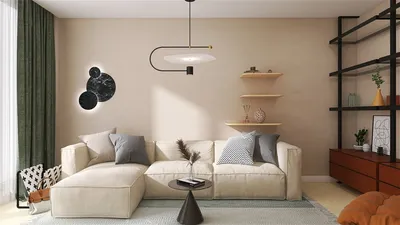


I have designed vanities to fit snugly into urban apartments, small lofts, and compact bedrooms where space is at a premium. An ideal small-space vanity doesn’t feel cramped; rather, it exudes a sense of personalization—striking a balance between storage, light, comfort, and aesthetic tranquility. Below, I outline effective strategies that work well in residential settings and studio projects, supported by data-driven insights to help you make informed decisions.
Creating Comfortable Spaces in Limited Areas
Comfort begins with considerations of height, reach, and ergonomics. The WELL Building Standard recommends neutral postures that reduce long-term strain, and research from Herman Miller highlights the benefits of adjustable seating that accommodates small movements to alleviate neck and shoulder discomfort (WELL v2). Based on my experiences, a seated vanity height of approximately 28-30 inches is generally comfortable for arm positioning during detailed activities. Furthermore, the Illuminating Engineering Society suggests aiming for task lighting around 500 lux for accurate grooming while avoiding harsh shadows that may lead to eye fatigue (IES standards). These guidelines ensure that small setups remain effective and kind to the body.
Smart Layouts That Create an Illusion of Space
In confined areas, prioritizing flow and unobstructed sightlines is crucial. I typically maintain a clear pathway of at least 30 inches in compact spaces, allowing drawers to open freely without colliding with beds or doors. In my studio designs, replacing traditional swing doors with pocket or sliding doors has optimized space, adding an extra 8-10 inches of utility around a vanity area. If you’re exploring layout options, using a room layout tool such as Homestyler can help visualize arrangements before finalizing any installations.
Illumination: Stylish, Practical, and Compact
Lighting significantly influences the atmosphere of a vanity space. It is advisable to achieve balanced, indirect lighting at eye level to minimize shadows. I often combine a warm 3000-3500K color temperature, which flatters natural skin tones, with dimmable fixtures. Employing two vertical sconces or LED strips on either side of the mirror helps reduce contrast; this can be complemented with ambient ceiling lighting to achieve the targeted ~500 lux level recommended by IES for grooming tasks. If wiring is limited, rechargeable LED bars that provide high CRI (90+) offer excellent color accuracy without requiring hardwiring. To mitigate glare, consider utilizing diffusing methods such as etched glass, fabric shades, or frosted lenses to provide a more soothing visual environment.
Streamlined Storage Solutions
Opt for shallow storage with varied heights and innovative inserts. I prefer consoles that are 12-14 inches deep equipped with full-extension drawers, ensuring nothing gets lost. Incorporating tiered trays for vertical storage allows for organized placement: brushes standing upright, palettes laid flat, and skincare items sorted by usage frequency. Magnetic strips inside cabinet doors can hold tweezers and small tools securely. Shallow pull-out shelves (3-4 inches) are ideal for fragrances and serums, while a mirrored medicine cabinet above a narrow counter maximizes storage functionality without taking up valuable space.
Wall-Mounted and Foldable Options
Mounting the vanity helps to clear floor space and gives a lighter feel to the room. A floating shelf beneath a wall mirror with a slim drawer appears airy and contemporary. In smaller studios, I have integrated drop-down desks that can fold up against a clean panel—instantly hiding any untidiness. Pair these with a slim, backless stool that can slide completely under the counter, or opt for a folding stool that can be tucked away in a closet when not in use.
Mirrored Reflections: Size, Shape, and Clarity
Using a taller mirror gives an illusion of height; a wider mirror enhances the perception of space. In constrained rooms, I often opt for mirrors that are 20-30 inches wide with rounded edges to lessen visual heaviness. Additionally, integrating a separate magnifying pivot mirror for close work prevents the need to lean in too closely to the main mirror, promoting better posture. Consider anti-fog coatings for mirrors situated near humid areas of the bathroom.
Harnessing Color Psychology for Relaxation and Focus
Colors play a crucial role in setting the mood and preparing for tasks. Research highlighted by Verywell Mind suggests that soft neutrals and muted shades can alleviate stress, while warmer tones promote energy and positivity (verywellmind.com/color-psychology). I favor warm greige, blush-beige, and linen white as foundational colors, incorporating one accent color—such as sienna, terracotta, or dusty rose—to add depth without overwhelming the space. Additionally, keeping drawer interiors light ensures that small items remain visible.
Durability and Easy Maintenance
In compact layouts, cleanliness becomes essential. Opt for easy-to-clean, resilient materials like high-pressure laminate surfaces, sealed wood, or quartz to resist staining. Matte finishes help minimize glare, while satin brass or brushed nickel details introduce a subtle warmth. For eco-friendly choices, select FSC-certified woods and low-VOC finishes to maintain good indoor air quality. Pairing soft-close drawers with felt-lined organizers can diminish noise and protect tools along the way.
Acoustic and Sensory Comfort
Hard, glossy materials can amplify sound in a small space. Incorporating a cozy rug under the stool, an upholstered pinboard, or fabric panels behind the vanity can reduce echo while also providing tactile comfort. The use of task fans or sound-masking devices can drown out noise from surrounding areas, improving focus when engaging in intricate tasks like makeup application.
Furniture with Multiple Functions and Concealed Areas
In spaces where every square foot counts, it’s beneficial to have furniture that serves multiple purposes. A writing desk that can function as a vanity works remarkably with a mirror compartment that lifts. Nightstand tables with pullout trays can double as vanity areas when needed. Additionally, multi-functional consoles with hidden compartments effectively keep beauty supplies out of sight but within easy reach.
Efficiency: Setups to Simplify Routines
In smaller environments, movement should be minimized. Store frequently used items within a comfortable reach of 16-20 inches. Arranging items by usage sequence—placing skincare on the left, base products and brushes in the center, and eye and lip products on the right—streamlines the process. Consider using labeled trays or color-coded pouches for easy cleanup. An under-cabinet waste bin is a clever addition to keep debris off the counters.
Matching Light Temperature and Skin Tone Accuracy
Achieving accurate skin coloration is key. Invest in high-CRI lighting (90+) and ensure all fixtures maintain the same color temperature to prevent mismatched tones. For evening applications, dim lights to around 300 lux for a softer ambiance; meanwhile, aim for 500 lux during the day for optimum precision. Testing makeup near a natural light source can help verify undertones before final assessments at the vanity.
Choosing the Right Spot: Bedroom, Closet, or Bathroom
Each location presents its own advantages. Bedrooms offer a quiet and personal setting; closets provide integrated storage; bathrooms give immediate water access but could be humid. When positioning a vanity in a bathroom, ensure proper ventilation and utilize materials resistant to moisture. In bedrooms, angling the vanity to capture indirect natural light without causing glare while keeping walkways clear by placing it against the walls instead of in corners is advisable.
Layouts I Frequently Recommend for Small Spaces
- Narrow floating shelf combined with a mirrored medicine cabinet (ideal for studios)
- 24–30 inch wall-mounted console with a pivot magnifying mirror (for compact bedrooms)
- Fold-down desk combination with a slim stool (perfect for micro-lofts)
- Writing desks with a lift-top mirror and modular drawer systems (multi-task home office)
Designing Without Visual Clutter
Limit decorative items to just one or two sculptural pieces—such as a small vase, candle, or framed photo. Opt for accessories in colors that blend harmoniously with surrounding surfaces. Conceal unsightly cords using cable clips that fit under shelves, and route power connections through grommets to maintain a tidy countertop.
Quick Reference Guide for Success with Tiny Vanities
- Strive for approximately 500 lux at eye level; use 3000-3500K color temperatures
- Ensure seat height corresponds with a 28-30 inch vanity counter
- Maintain a clear walkway of 30 inches around the vanity
- Use high-CRI lighting that is diffused and free of glare
- Implement shallow storage with thoughtful inserts and full-extension guides
- Consider floating or foldable designs to maximize floor space
FAQ Section
To achieve optimal lighting, utilize two vertical lights on either side of the mirror along with overhead ambient lighting. Target around 500 lux at eye level and utilize a color temperature of 3000-3500K to ensure skin tones appear naturally, in line with the IES recommendations for task lighting.
For compact settings, a drawer depth of 12-14 inches is optimal. This ensures that access remains comfortable while allowing drawers to clear circulation pathways.
Select a backless, cushioned stool that slides entirely under the vanity. Adjustability enhances posture, a concept supported by ergonomic research from Herman Miller.
Absolutely. You can enhance functionality by integrating a lift-top mirror compartment, drawer organizers, and a magnifying mirror on the side. Just be sure to have sufficient lighting or a clamp-on LED bar with a high CRI.
Utilize shallow, organized trays and full-extension drawers. Arrange items by the sequence of your routine: cleansing, foundation, eyes, lips. Subtle labeling helps maintain aesthetics while promoting organization.
Select a mirror that is 20-30 inches wide with rounded edges. Pair it with a small pivot magnifying mirror to facilitate detail-oriented work without compromising posture.
Vanities don’t have to be problematic. Choose materials resistant to moisture, ensure proper airflow, and utilize anti-fog mirrors. Ensure all electrical fixtures are rated for damp areas.
Warm neutral colors—greige, blush-beige, linen white—with a single muted accent are ideal. Research from Verywell Mind indicates that softer shades can ease stress, whereas warm tones can foster a more vibrant atmosphere.
Utilizing an interior layout planner can help visualize effective circulation and clearances. A brief pass through a layout simulation tool like Homestyler can validate stool placements, door swings, and drawer access.
Consistent color temperature (e.g., 3000K) should be matched across all lighting fixtures, and ensure that high CRI (90+) is used. Dim individual fixtures separately from ambient lighting to provide customized brightness for tasks versus ambience.


Homestyler is your go-to online home design platform! It features a user-friendly design tool, stunning 3D renderings, and a plethora of DIY video tutorials. Whether you're a beginner or a seasoned designer, you can effortlessly create and visualize your dream spaces with inspiring design projects.
今すぐ无料でデザイン
































