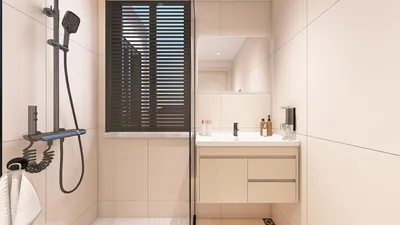


Compact footprints can offer a surprisingly generous feel, especially when furnishings go beyond mere space-filling. I seek out furniture that can slide, stack, and fold, effectively defining zones while maintaining ample light and circulation. In work environments, the Gensler U.S. Workplace Survey 2024 highlights that access to varied work settings enhances effectiveness by 13%, underscoring the significance of multi-functional furniture and layered layouts on performance. Similarly, in residential spaces, the WELL v2 guidelines advocate for unobstructed travel paths and access to daylight, relating to furniture that helps control glare, provides ergonomic reach areas, and ensures clear views of windows. Utilizing tools like Homestyler can greatly assist in visualizing these layouts.
Precision in lighting is crucial. I adhere to IES guidelines which recommend a light intensity of 300–500 lux for work zones, while keeping the color temperature between 3000 and 4000K to avoid harsh lighting in smaller rooms. Additionally, research on color psychology from sources like Verywell Mind indicates that blue tones enhance focus, whereas warm neutrals contribute to stress reduction. I employ these colors on larger furniture surfaces to align visual mass with emotional comfort. For comfort, I ensure that the sit depth stays within 17 to 19 inches, and the dining seat height remains around 18 inches, allowing for compact seating that doesn't infringe upon floor space.
Furniture for Space-Zoning: Maximizing Functionality
In open floor designs, furniture plays a pivotal role in defining micro-zones without erecting walls. A low-back sectional can effectively anchor a lounge area while its profile maintains sightlines. To enhance this setup, consider adding a sleek console table behind the sofa to facilitate circulation and provide a surface for task lamps. When planning layouts, I utilize room layout tools like Homestyler to simulate sightlines and walking paths, ensuring a balance between intimacy and movement without overcrowding.
Transformable Essentials: Fold, Nest, and Stack
Adaptable furniture that can resize on demand serves as the cornerstone of living comfortably in small spaces. Nesting coffee tables expand for gatherings yet tuck away neatly for daily use. Drop-leaf dining tables bring versatility, providing a desk space during the week and accommodating four on weekends. Folding stools can be stored away vertically, transforming into instant seating when required. In bedroom areas, wall-mounted desks with concealed legs double as vanities, complete with a drawer for stationery and cords to reduce clutter.
Lightweight Designs with Strong Lines
Furniture with slim profiles visually lightens a space and conserves precious inches. Opt for metal sled bases, open-leg sofas, and armless lounge chairs, allowing the floor to flow underneath—this effectively tricks the eye into perceiving a larger room. Keep coffee tables height under 18 inches and length to 42 inches in tighter living areas to ensure knee room and easy movement. A pedestal dining table can mitigate corner conflicts and allow chairs to scoot in without obstruction.
Rise to the Occasion: Elevation and Storage
In situations where floor space is limited, utilize vertical real estate effectively. Implement tall shelving with adjustable shelves to maximize potential every 12 inches. Mount cabinets at a height of 12–16 inches above countertops to maintain valuable backsplash space and enhance task lighting. For bedrooms, elevate beds on legs of 10–12 inches, creating substantial under-bed storage while keeping the area visually light. In living spaces, a continuous media rail between 24–30 inches high accommodates consoles, books, and art, providing a calm visual datum line.
Seating and Tables That Serve Double Duty
Benches with flip-up seats, ottomans with top trays, and coffee tables featuring hidden compartments provide practical storage for remotes, chargers, and throws. I prefer benches that are 16–18 inches deep placed by windows, outfitted with cushions made of washable materials. In especially compact spaces, a lift-top coffee table set to 25–28 inches functions as an elegant laptop station, ensuring that the lift mechanism does not intrude on leg space.
Maintaining Clear Circulation: Optimal Ratios for Flow
Establish a primary circulation path of 36 inches wide and secondary paths at 30 inches to facilitate smooth movement. It’s essential to keep an 18-inch distance between seating edges and tables to ensure comfortable legroom, alongside a 12–16 inch gap between the sofa and coffee table for ease of reach. In smaller studios, consider floating the sofa a few inches away from the wall to allow curtains to stack properly and to enhance sound absorption.
Prioritizing Ergonomics: Comfort Without Clutter
Compact living spaces can still achieve comfort without being cramped. Ensuring a seat pitch between 100–110 degrees fosters long seating periods without promoting slouching. For desk setups, a height of 28–30 inches paired with adjustable chairs covering 16–21 inches accommodates various body types. Research from Steelcase suggests that changes in posture correlate with sustained comfort, thus I combine a sleek task chair with a secondary sitting option—a counter-height stool or soft ottoman—to facilitate micro-movements, keeping the body content.
Materials and Light: Influencing Perception
Light finishes have the ability to reflect brightness and create a more spacious feel. Choosing matte oak, ash, or beech can effectively mitigate glare compared to high-gloss lacquered surfaces in brighter rooms. Fabrics like boucle or wool blends can be implemented on bulkier items to soften edges. Use glass and mirrors sparingly; while a single mirrored surface can enhance daylight, a multitude can result in cluttered visuals. Targeting 3000–3500K lamps near wooden surfaces ensures warmth remains consistent; cooler lighting can render natural materials looking gray and lifeless.
Enhancing Acoustic Comfort in Small Spaces
Smaller rooms can amplify sound considerably. Utilizing upholstered panels behind headboards, lining interiors of cabinets with felt, and incorporating soft area rugs can help reduce echo. Bookshelves with irregular depths act as diffusers; stacking some volumes horizontally disrupts hard reflections. Avoid placing hard tabletops flush against bare walls; incorporating a slight gap of 1–2 inches with a fabric runner can soften sound reflections.
Creating Micro-Entries and Work Corners
In studio apartments, I often create a 24–30 inch wall niche designed for coats and a drop tray, complemented by a shallow bench beneath. For workspace corners, a 40–48 inch desk alongside a compact pedestal keeps essentials organized; mounting a slim task light with a CRI over 90 ensures accurate color rendering. Implementing cable management solutions under a back lip contributes to a clutter-free visual experience.
Bedroom Solutions: Organizing for Calm and Clearance
Opt for headboards that include integrated shelves of 8–10 inches in depth, eliminating the need for nightstands and preserving floor edges. Wall-mounted nightstands at heights of 18–22 inches allow for vacuum access underneath. Ensure under-bed drawers are 2 inches shy of nightstands to prevent collision. In tight spaces, sliding wardrobe doors are preferable; swing doors can encroach on valuable inches.
Kitchen and Dining: Efficient and Social Spaces
In smaller kitchens, try to limit base cabinet depth to 21 inches wherever feasible, and incorporate pull-out features for optimal storage while maximizing floor area. A counter-height bar set at 48–60 inches can comfortably accommodate two without occupying excessive room. Utilize task lighting at 500 lux above prep areas and ambient lighting at 150–200 lux for dining. Round tables ranging from 36-42 inches are ideal for tight corners; pair these with slender open-back chairs.
Living Room: Strategy to Float and Layer
Position furniture to maintain clear walls for storage and art displays. Layer a low rug beneath a sleek coffee table, ensuring a 6–10 inch border is visible to emphasize floor space, effectively creating a sense of openness. Mount the TV slightly off-center to free up a column for storage; adding asymmetry can bring rhythm to the arrangement, preventing a cramped feel in small areas.
Leveraging Color Psychology in Cozy Spaces
Employ mid-tone neutrals for larger furnishings, introducing vibrant colors in areas where more energy is desired. Cool blues and gentle greens foster a calm atmosphere, while warm terracottas add warmth to dining experiences. To prevent spatial constriction, maintain bold colors in smaller accents; for instance, a vivid chair or lamp can add vibrancy without overwhelming the space. Insights from Verywell Mind regarding color psychology resonate with my findings; cooler shades enhance concentration, while warm hues encourage social interaction.
Simulating Layouts Before Making Purchases
I never commit to sizable pieces without first evaluating clearances and spatial flow. A layout simulation tool, such as Homestyler, enables me to visualize furniture placement, confirm aisle widths, and ascertain daylight lines, ensuring the final arrangement maximizes both comfort and functionality.
- Sofas: Ideal length of 72–84 inches for small living areas, keeping arm profiles below 4 inches.
- Coffee table: Should be two-thirds the length of the sofa, with a reach distance of 12–16 inches.
- Dining for four: Round tables measuring 36–42 inches or rectangular tables sized at 30x48 inches with preferred pedestal bases.
- Bed: A queen is often fitting for most studios; ensure accessibility on one long side with 24–30 inches of clearance.
- Storage: Favor vertical units with 12–16 inches of depth.
Frequently Asked Questions
Q1: How do I determine the right sofa size for a tiny living room?
A: Aim for an overall length of 72–84 inches, keeping arm thickness around 3–4 inches, while opting for raised legs to maintain a continuous visual floor line. Ensure a 12–16 inch gap exists between the sofa and coffee table to facilitate comfortable access.
Q2: What lighting levels are ideal to aim for?
A: For tasks, target a brightness of 300–500 lux following IES recommendations; ambient lighting can range from 150–200 lux. Maintain color temperatures near 3000–3500K for warm materials, adjusting to 3500–4000K for clearer task clarity.
Q3: Are wall-mounted nightstands beneficial?
A: Indeed. Placing them at 18–22 inches high allows for floating storage while facilitating vacuum access and visually lightening the room. Incorporate cable cutouts to maintain surface tidiness.
Q4: How can I incorporate storage without making a space feel heavy?
A: Emphasize vertical space with shelving of 12–16 inches depth, maintain consistent datum lines, and select light, matte finishes. Using ottomans with trays and benches featuring lift-up seats can provide hidden storage while avoiding bulk.
Q5: What table shape is most space-efficient?
A: Pedestal round tables of 36–42 inches ease chair movement while minimizing corner conflicts. In rectangular settings, a 30x48 inch table effectively accommodates four with a circulation clearance of 30–36 inches.
Q6: In what ways do color selections impact perceived spatial dimensions?
A: Utilizing mid-tone neutrals for larger items diminishes visual mass. Lighter blues and greens enhance focus and create a feeling of expansiveness; ensure saturated colors are kept to small accents to avoid overwhelming the space.
Q7: What ergonomic features are essential for a compact desk setup?
A: Desk heights between 28–30 inches, chair adjustments from 16–21 inches accommodate various users, and a secondary chair for posture variation can be beneficial. Position high CRI task lighting near the dominant hand to effectively manage shadows.
Q8: How can I mitigate noise in small rooms?
A: Implement soft rugs, upholstered panels, and bookshelves of irregular depth to reduce reverberation. Keeping hard tabletops slightly separated from walls and adding fabric runners can soften sound reflections.
Q9: Do you have any advice for bedrooms with restricted clearance?
A: Opt for sliding wardrobe doors, integrate shelves within the headboard, and elevate the bed for extra under-storage. Maintain a clearance of 24–30 inches on at least one side for linens and movement needs.
Q10: Is modular furniture advantageous in studio apartments?
A: Absolutely. Nesting tables, drop-leaf desks, and modular shelving solutions adapt to changing activities. Prioritize testing placement and circulation with layout planning tools like Homestyler before making purchases to ensure a perfect fit.

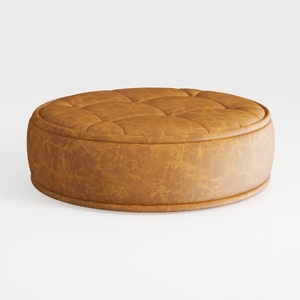
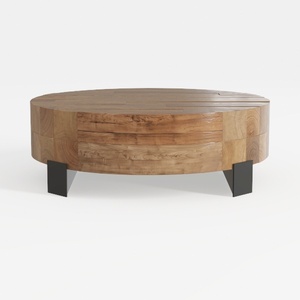

Homestyler is your go-to online platform for effortless home design. With its user-friendly design tool, stunning 3D renderings, and engaging DIY video tutorials, transforming your space has never been easier. Explore a wealth of design projects to inspire your creativity today!
Desain sekarang Gratis
































