

On one occasion, I found myself at a job site where the client requested an array of features: a bar, home theater, craft corner, and poker table, all crammed into a 10'x12' basement. I chuckled, then proceeded to sketch out a brilliant solution. Small spaces challenge us to innovate, which is why I love tackling such projects. For quick inspiration, I suggest exploring some space planning examples to understand how furniture can be scaled and areas can be defined, using tools like Homestyler for visualization.
1. Create Zones with Multi-functional Furniture
I approach design by establishing distinct zones: for media consumption, gaming, and relaxation. A sleeper sofa or a storage bench can serve dual purposes, functioning as seating for movie nights while doubling as a cozy reading area during the day. This not only conserves floor space but also necessitates precise measurements to maintain flow throughout the room.
save pin
2. Incorporate Smart Storage Solutions
Including built-in cabinets beneath a raised platform or utilizing wall niches can effectively conceal clutter, which allows the room to feel more spacious. However, the initial cost can be higher, and flexibility may be limited. Therefore, I often recommend modular designs that can be adjusted later on—this approach balances budget with smart results.
save pin
3. Design a Media Wall with Adaptable Seating
A streamlined media wall serves as a focal point for the room, maximizing the opposite floor area for games or workouts. I suggest using movable seating options such as poufs, stackable stools, or foldable chairs, which keep sightlines unobstructed. However, you'll need to think about where to store these additional seats when they're not in use. With tools like Homestyler, you can visualize your layout in 3D before making any purchases.
save pin
4. Use Flexible Partitions and Lighting to Alter Ambience
I enjoy using lightweight screens, curtains, or even a changeable rug to divide the space for various activities. Choosing layered lighting options—such as overhead dimmers, task lamps, and LED strips—allows the same area to transform effortlessly from hosting a party to setting the scene for a cozy movie night. While installation is straightforward, careful planning is required for electrical work when incorporating dimmers and zoning.
save pin
5. Distinguish Zones with Materials and Small Scale Built Elements
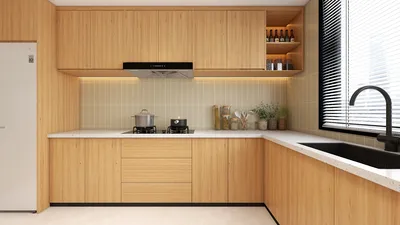
Changing flooring, adding a low half-wall, or creating a slight elevation for the TV can effectively visually separate different activities without closing off the area. For snack and bar storage, consider implementing kitchen-inspired storage methods as they work well in compact recreational spaces; while costs may differ, the benefits in daily convenience are substantial.
save pin
FAQ
Q1: What is the most effective layout for a compact rec room?
I advocate for a flexible, zoned layout that preserves clear pathways and emphasizes multifunctional furniture. Begin with the largest fixed element, like the TV or table, and design around it.
Q2: How can I make a small rec room appear larger?
Utilize light colors, mirrors, and low-profile furniture to enhance visual space. Introducing built-in storage solutions and reducing clutter provides immediate visual improvements.
Q3: What type of seating is best suited for confined rec rooms?
Modular sofas, storage benches, and stackable seating are excellent options as they adapt to different group sizes and can easily be stored when not in use. Consider a layered approach that includes permanent seating alongside movable pieces.
Q4: Is it feasible to merge a rec room and a home office?
Absolutely! Designate the office area with a compact desk against a wall or in a niche and utilize sound-absorbing panels to minimize distractions. Keeping office supplies organized is essential to maintaining a tidy feel.
Q5: What budget should I allocate for a modest refresh of my rec room?
If you prioritize elements like paint, lighting, and intelligent furniture choices initially, you can keep costs down. Built-ins and audiovisual upgrades typically increase expenses. I usually offer a tiered approach: essentials, mid-range options, and upgrades, allowing clients the flexibility to choose what aligns with their budget.
Q6: Are there certain minimum clearance requirements I should adhere to?
Indeed! Aim for a minimum of a 36-inch clear path to facilitate comfortable movement and accessibility. For detailed accessibility guidelines, consult the Americans with Disabilities Act (ADA) website.
Q7: Which flooring is most appropriate for multifunctional rec rooms?
Durable and low-maintenance flooring options like luxury vinyl plank or engineered wood are perfect for mixed-use activities; consider adding area rugs to define spaces and enhance sound absorption. Waterproof materials are beneficial if integrating snack areas or a wet bar.
Q8: How should I plan audio-visual and power outlets in a small rec room?
It’s important to plan outlet placements and cable paths before finishing the walls—this is far more economical than retrofitting later. I recommend at least two outlets at floor level near seating arrangements and incorporating a tech closet or panel for centralized wiring.
Homestyler is your go-to online platform for effortless home design. With its user-friendly design tool, stunning 3D renderings, and a wealth of DIY video tutorials, you can easily create and visualize your dream spaces. Start transforming your home today!
立即免费设计
































