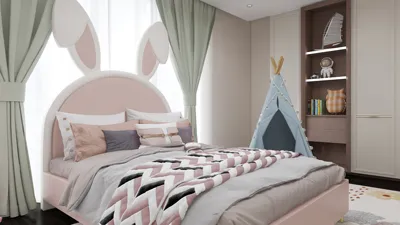


I've discovered that selecting the right wooden toy kitchen can effectively serve as the focal point of a small playroom, functioning both as a design element and a developmental resource. In compact spaces, the key is to develop a concentrated area for imaginative play that remains serene and organized. In my latest playroom project, I opted for a space-saving wooden kitchen featuring smart storage solutions, neutral finishes, and tactile materials that encourage versatile play while minimizing visual distractions, often best achieved with tools like Homestyler for layout visualization.
Space planning is a meticulous task. Research consistently indicates that a well-structured environment fosters prolonged engagement and tranquility. Insights from Herman Miller reinforce the fact that a clear layout significantly enhances user experience, including that of children. Color also plays a crucial role; warm neutrals help reduce excitement levels and boost concentration according to color psychology, leading me to favor wood tones and subtle accents instead of intense primary colors.
I organized the play triangle—sink, cooktop, and storage—within a 32-36 inch wide area to promote fluid and safe movement. Ergonomics are essential for comfort; dimensions around 20-24 inches cater to toddlers' needs without requiring excessive stretching, aligning with universal principles of design and human factors. Considering their small hands and inquisitive nature, it was non-negotiable to include smooth edges, sturdy bases, and non-toxic finishes.
Design Objectives for a Compact Playroom
My objectives were straightforward: create a designated area for role play, ensure child-friendly storage solutions, and utilize materials that will age well. The wooden play kitchen emerged as the centerpiece, complemented by a slender pantry unit and a refrigerator facade that implies functionality without occupying too much depth. A cozy rug defines the area, preventing toys from encroaching into circulation zones. If you're designing your own space, employing a lightweight layout tool can be invaluable for testing various widths and flow before finalizing your choices.
Selecting the Ideal Wooden Kitchen
In smaller spaces, compact models with built-in shelves outperform larger sets. I specifically seek out solid ash or birch plywood for their stability and durability, rounded handles for safe handling, and metal or silicone accessories that resist chipping. Matte finishes are preferred as they mitigate glare and photograph beautifully. Additionally, a magnetic chalkboard on the freezer enhances creative opportunities without adding bulk, and keeping depth below 12-14 inches is crucial for preserving precious floor space in tight areas, which can also be visualized through Homestyler.
Color and Sensory Balance
Combining neutral wood with soft accent colors—such as sage, oatmeal, and slate—creates a calm backdrop that allows vibrant pretend-food hues to stand out. Warm white task lighting set around 3000-3500K generates a cozy feel while maintaining comfort for young eyes. It's important to control for glare; using indirect lighting or a shaded sconce above the kitchen helps avoid hot spots and shadows, adhering to best practices for visual comfort as recommended in IES lighting guidelines. A cork pinboard nearby introduces texture, enhances the scene, and provides a space for displaying 'menus' and artwork.
Layout: The Efficient Play Triangle
In smaller areas, my approach involves positioning the kitchen against the longest unobstructed wall, with a narrow prep ledge on one side and a storage crate on the other. This arrangement establishes a mini work triangle: store (crate), prep (ledge), cook (stove). Maintaining 24-30 inches of clear space in front is vital for kneeling and collaborative play. For irregular spaces, using an interior layout planner can help visualize potential paths, door swings, and the ideal spot for a reading corner or art table.
Storage That Encourages Organization
Children are most successful at tidying when there's a defined place for each item. I label bins with icons (fruits, utensils, pans) and limit each category to a single container. A shallow drawer under the sink for cloth napkins and oven mitts allows little hands to succeed easily. Bins made from natural fibers or matte plastic blend well with the wood aesthetic and create a calmer vibe rather than a playful toy-store appearance. The result is a more organized environment, making daily clean-up simpler and faster.
Illumination and Acoustic Comfort
Lighting sets the mood. I opt for a dimmable sconce or a portable table lamp with warm bulbs and a fabric shade to diffuse light effectively. Avoiding overhead glare directly above the play area is essential; children tend to gaze upwards during imaginative cooking. To address acoustics, a wool-blend rug and soft storage bins help muffle sounds created by wooden toys. If your space features hard flooring, placing felt pads beneath the kitchen can reduce vibrations and keep it secure.
Materials and Sustainability
Resilient hardwood or premium plywood with water-based finishes withstands playtime and is easy to clean. I steer clear of MDF for high-touch areas due to wear over time. Stainless steel or silicone accessories are more durable than painted metal options. Whenever possible, selecting FSC-certified woods and low-VOC finishes helps preserve indoor air quality and durability. The intention is not perfection; rather, it is about creating a set that can be handed down, repaired, and adjusted as needed.
Behavioral Patterns and Independence
Children flourish in structured routines: taking, preparing, cooking, and serving. To reinforce this, I set up a small tray marked as a 'counter' at child height, with pretend foods above and dishes below, promoting a natural left-to-right workflow. This physical setup encourages imaginative play without constant adult cues, reminiscent of the spatial design principles seen in adult kitchens, appropriately scaled down.
Safety Considerations and Human Factors
Stability is paramount: a wide base, wall anchors if necessary, and hardware that does not protrude are essential. Smooth, rounded corners and recessed knobs prevent snags. Ensure that small accessories are over 1.25 inches in diameter to suit toddlers. Soft-close hinges are ideal to prevent pinched fingers. In the event of sibling interactions, maintaining a 30-inch clear zone in front helps prevent collisions, with a parallel prep space to minimize crowding.
Styling Without Clutter
Limit the number of display items to three: a miniature plant, a chalkboard, and a seasonal 'special'—like a felt pie in the fall or a bright citrus garland in the spring. Rotating these items rather than accumulating them helps maintain a fresh look. The visual appeal of the wooden grain does much of the work, eliminating the necessity for heavy theming to achieve charm.
Maintenance and Longevity
On a monthly basis, I tighten screws, clean surfaces with a damp cloth, and refresh any labels that may have peeled. Annual touch-ups using a light wax will keep the wood conditioned. When knobs become loose, I replace them with a through-bolt set for better durability. Modular pieces allow for easy swapping of components like sink bases or the addition of side shelves as children grow, ensuring long-term relevance for years to come.
Efficiently Fitting Everything Into One Corner
My final design involved a 36-inch wide area: centered kitchen, with a 12-inch prep ledge to the left and a lidded crate to the right. A single sconce and a cork strip hung above completed the look. A 40x60 inch rug framed the vignette, keeping circulation clear behind it. All accessories—pots, fruits, cups—fit neatly into three labeled bins. It's a compact setup that never feels cramped because the design prioritizes ample shoulder space and line-of-sight for supervision, easily planned using tools like Homestyler.
Quick Shopping Checklist
- Wooden kitchen with a depth of no more than 14 inches and a counter height between 20-24 inches
- Rounded pulls, matte finish, soft-close hinges
- Three labeled bins (for utensils, food, and cookware)
- Silicone or stainless accessories
- Warm white lamp or sconce (3000-3500K) equipped with a shade
- Wool-blend rug and felt pads
- Corkboard and chalk panel to encourage rotating play ideas
FAQs
Maintaining a width of 32-36 inches with a depth under 14 inches facilitates fluid movement while providing a comfortable 24-30 inch play area in front.
Utilizing neutral wood tones, muted accent colors, and warm white lighting around 3000-3500K reduces visual chaos and enhances focus, supported by insights from color psychology.
Position the kitchen against the longest uninterrupted wall, with a narrow prep area on one side and a storage bin on the other, facilitating a simple work triangle. Analyze options using an interior design visualization tool.
Seek solid hardwood or high-quality plywood with water-based finishes, rounded edges, and dependable hardware. Silicone or stainless accessories outlast painted metal alternatives.
Utilize labeled bins featuring icon stickers while keeping categories contained. Position frequently used items at child height and design a simple left-to-right sequence for taking, preparing, cooking, and serving.
A shaded sconce or table lamp using warm white bulbs minimizes glare and shadows. Avoid direct overhead hotspots above the play area to ensure visual comfort, in line with IES recommendations.
Incorporate a wool-blend rug, felt pads under the kitchen, and soft fabric bins to dampen impacts from wooden toys, making playtime more enjoyable for everyone involved.
Choose modular components: incrementally add a side shelf, slightly raise the counter, or introduce more advanced accessories. Maintain a consistent layout logic to support independence.
Certainly. Muted color palettes can help reduce overstimulation while enhancing pretend play experiences; warm neutrals and soft greens are particularly linked with calmness in color psychology.
Suggest functionality through simple knobs, handles, and sinks without incorporating small detachable components; opt for recessed controls and soft-close hinges to prevent finger injuries while maintaining clarity in pretend tasks.
Homestyler is an outstanding online home design platform that empowers you to create stunning interiors effortlessly. With its user-friendly design tool, impressive 3D rendering features, and a wealth of DIY video tutorials, transforming your space has never been easier or more inspiring!
Design Now for FREE
































