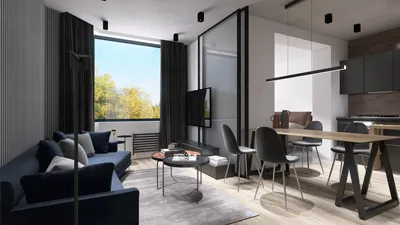


In my experience, I once worked with a client who wanted to fit a cozy nap nook, a podcast corner, and a standing desk into just a 7-foot-wide den. This challenge led me to create an efficient and calming mini-studio. Through this process, I discovered that cramming too much into a small space rarely succeeds; however, focusing on functionality and flow can transform tiny rooms into hubs of productivity. If you find yourself looking at a narrow alcove or an under-stair den, consider these office den concepts to maximize every square inch you have. Here are my top office layout inspirations for a quick boost: office layout ideas.
1. Built-in desk with concealed storage
I have a strong preference for built-in desks as they feel deliberate and utilize wall space that typical furniture tends to overlook. The advantages are clear: a seamless work surface, drawers that blend into the wall, and an overall uncluttered appearance—although custom carpentry may come at a higher cost than freestanding units. For those on a budget, I often suggest designing a plywood frame that can be painted and personalized later, achieving a tailored look without the expense of custom work.
save pin
2. Tall shelves and floating cabinets
When floor space is limited, don’t forget to look up. Utilizing tall shelving units and floating cabinets frees up the ground area while providing space for books, printers, and decorative items. However, this can lead to visual clutter, so I usually counterbalance tall storage with negative space—leaving one shelf clear or using matching baskets for a more tranquil appearance. This method is also effective if you later decide to convert the den into a guest area.
save pin
3. Versatile furniture for flexible use
In my designs, I often incorporate flip-down desks, slim rolling cabinets, and murphy beds to quickly transition a den from a focused workspace to a relaxed reading area. Embracing flexibility allows for more functionality in a compact space, although you may sacrifice permanence (for instance, a movable cabinet can feel less stable than a built-in drawer). My suggestion is to securely anchor the main workstation to the wall while keeping secondary pieces mobile.
save pin
4. Zoning with lighting and area rugs
Light and texture serve as my secret tools for zoning—installing pendant lights over the desk, positioning a warm floor lamp beside your reading chair, and placing a small rug to define each area. This approach is budget-friendly and immediately gives the den a sense of purpose instead of appearing cluttered. The main challenge lies in scale: choosing oversized rugs or fixtures can dominate the space, so select items that are proportionate to the den’s size.
save pin
5. Small room, big visualization
Before finalizing measurements or starting carpentry, I always like to visualize the layout in 3D to identify any potential issues with blocking or traffic flow. You can easily explore different desk placements, door swings, and storage solutions to prevent costly errors—especially valuable if your den serves as a corridor. For visual representation, consider using tools like Homestyler, which assists in visualizing layouts in 3D and streamlining planning.
save pin
Practical additions I always incorporate
I ensure to include at least two power hubs and plan for effective cable management to keep the area tidy. A sleek task chair that offers lumbar support, combined with a monitor arm for vertical adjustment, are small yet impactful investments for daily comfort. For those in rental spaces, removable shelving, peel-and-stick panels, and clever lighting solutions offer substantial design benefits without permanent alterations.
To give the den a more intentional feel, I like to experiment with a modern touch—such as a bold wall color or a decorative plant ladder. If you're looking for AI-driven layout inspirations that facilitate quick iterations, tools like Homestyler can provide tailored design suggestions, accelerating your planning process and highlighting options you may overlook.
save pin
Frequently Asked Questions
1. What is the most suitable desk shape for a compact den?
For corner dens, I typically recommend L-shaped or wall-mounted desks to maximize workspace while keeping the center open. In cases of tight circulation, a slim rectangular wall desk may be the better choice.
2. How much clearance is required behind a desk?
It's important to leave at least 30 inches (about 76 cm) behind a chair for comfortable movement; ideally, 36 inches (91 cm) is best if the den functions as a passageway. This ensures the room doesn’t feel cramped and allows full mobility.
3. Can a den double as a guest room?
Absolutely—using foldable furniture like wall beds or compact sleeper chairs, alongside multipurpose storage, ensures versatility. It's essential to find a balance: prioritize daily ergonomic needs while incorporating adaptable features for occasional use.
4. How can I prevent a small office den from appearing messy?
Establish a one-in-one-out rule for office supplies, leverage concealed storage, and commit to a quick ten-minute clean-up daily. Good lighting along with a selection of curated items can also help small spaces feel intentional rather than cluttered.
5. What is the best lighting for a compact den?
A mix of ambient and task lighting works best; positioning a pendant light above the desk establishes a focal point while a warm floor lamp can enhance the overall ambiance. Dimmable fixtures offer control over brightness and comfort levels.
6. Are standing desks advisable in small spaces?
Standing desks can be effective, provided you opt for compact or adjustable sit-stand models that don’t dominate the room. While they offer health benefits and varied posture options, some electric versions require more space and should be close to power outlets.
7. How do I ensure ergonomic setup?
Position your monitor so that the top third of the screen is at eye level, maintain elbows at approximately 90 degrees, and select a chair that supports your lower back. According to OSHA guidelines, maintaining a neutral posture and using adjustable equipment reduces strain and enhances comfort.
8. Where can I find layout inspiration and useful design tools?
Begin by creating mood boards and quick sketches, then evaluate a 3D mockup if possible—seeing the space visually can help avoid oversights and expedite decisions. Many designers utilize online planners and case studies to refine their concepts before finalization.
save pin
Discover your dream home design with Homestyler! This user-friendly platform offers an intuitive online design tool, stunning 3D renderings, inspiring design projects, and helpful DIY video tutorials. Whether you're a novice or a seasoned designer, Homestyler makes bringing your ideas to life effortless and enjoyable!
Projete agora para LIVRE
































