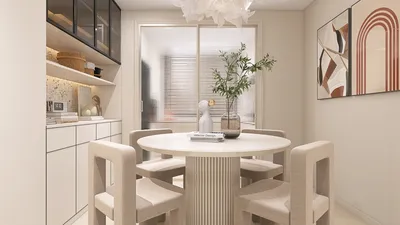


I have crafted and constructed compact meeting tables for startups, home offices, and pop-up studios, where maximizing square footage is key. The objective remains consistent: design a surface that fosters ideas, encourages eye contact, and promotes effective workflows without overcrowding the area. In limited spaces, factors like the table’s dimensions, edge details, and leg designs are just as crucial as the choice of materials. Using tools like Homestyler can streamline this design process.
Optimizing small spaces requires accurate sizing and user-friendly layouts. Research by Steelcase indicates that teams engage in approximately 70% of their collaborative time in smaller group environments, highlighting the necessity for intimate and adaptable meeting surfaces that preserve visibility and facilitate movement. Furthermore, WELL v2 emphasizes the significance of glare management, ergonomics, and comfortable proximities in enhancing cognitive performance—especially within rooms smaller than 150 sq ft, where every detail matters. I tailor my designs to these principles, adjusting tabletop sizes, knee clearance, and lighting angles to minimize strain and enhance engagement. Steelcase's findings suggest that brief, frequent interactions benefit from flexible setups; WELL v2 also stresses the need for optimal lighting and sound balance to sustain concentration, making Homestyler an essential tool for planning out these criteria effectively.
Getting dimensions right is critical. It's essential to maintain circulation paths of 30 to 36 inches around the table to ensure smooth movement. When I conceive layouts, I simulate various seating capacities and arrangements, evaluating reach distances and the movements of doors, drawers, and chair legs. Before any lumber is cut, a room layout tool is invaluable in visualizing table size, chair spacing, and line of sight to avoid missteps in tight configurations:
room layout tool
Space-Savvy Table Shapes
• Narrow rectangle (24–28 inches deep): This shape works perfectly for two to four individuals. It keeps laptops organized and prevents cable clutter from accumulating. I find that soft rounded corners reduce the risk of bumps and enhance movement.
• Boat-shaped top: The middle is slightly wider for a sense of intimacy while tapering at the ends for better circulation. This form promotes eye contact and subtly focuses attention towards a common center.
• Round café (32–36 inches): Ideal for spontaneous discussions and equal participation. Round tables minimize hierarchy and balance seating, but remember to arrange chair spacing to prevent leg clashes.
• D-shaped against a wall: A semCircular front facilitates collaboration, while the flat back fits against storage or a display area. This design is my preferred choice in studio corners.
Fold, Nest, or Slide: Mechanisms That Maximize Space
• Gate-leg drop leaves: Flip-up extensions increase capacity as needed while secure hinges prevent wobbliness. Keep the leaf width restricted to 10–12 inches to ensure stability.
• Nesting pair: Two slender tables that can be slid together to create a larger surface. You can separate them for breakout discussions.
• Wall-mounted fold-down: A reliable piano hinge and hidden steel brackets support a compact surface that retracts after use. Adding a shallow shelf can help store cables and utensils.
• Sliding top over storage: A cantilevered track allows the table surface to glide, revealing a compartment for cables—an efficient way to incorporate power without compromising the tabletop.
Human Factors: Comfort in Tight Quarters
• Knee clearance: Aim for an underneath height of 26–27 inches, avoiding aprons deeper than 3 inches in seating areas.
• Personal reach: Position shared items within a 16–20 inch reach to lessen leaning and shoulder strain.
• Seating density: Allot 22–24 inches per person along the edge; in compact spaces, 20 inches suffices for short meetings but is less ideal for extended discussions.
• Edge profiles: Chamfered or 3–5 mm radius edges are gentler on the forearms and reduce the perception of bulk.
Lighting That Fosters Discussions
Glare undermines comfort in small rooms. I aim for 300–500 lux on the table surface with adjustable task lights to accommodate both screens and documents. A color temperature between 3000–4000K maintains natural skin tones and ensures legibility. Using matte finishes can decrease reflections, and positioning lights slightly off-camera lines can enhance video call quality. If the table is located under a pendant lamp, opting for a wide-beam diffuser alongside an additional wall wash can balance vertical lighting for better visibility during discussions.
Material Choices: Light, Durable, and Honest
• Tabletops: High-pressure laminate or linoleum for easy cleaning and low-reflectivity; ash or oak veneer for a warm touch. Light woods can elevate perceived space in ultra-compact rooms.
• Frames: Opt for powder-coated steel or hardwood with cross-bracing techniques to prevent wobbling. I lean towards square legs of 1.5–2 inches set inboard for smoother traffic flow.
• Eco-friendly selections: Pursue FSC-certified woods and low-VOC finishes, and consider replaceable edging to refresh the surface without contributing to waste.
• Acoustic qualities: Utilize felt underlays and soft glides to minimize micro-noise from activities like page turns and pen taps that can amplify in smaller settings.
Cable Management and Tech Integration
Keep cables hidden yet accessible. A slim trough under the tabletop with side access allows for adding adapters without needing to flip over the table. A grommet should only be installed when the table is sufficiently deep to prevent cables from interfering with user space; otherwise, route cables at the back and drop them to a floor box. For video conferencing, a clamp-on camera arm positioned at eye height can stabilize the laptop screen. I favor magnetic cable clips over adhesive ones as they provide easy repositioning.
DIY Builds: Three Tried-and-True Concepts
Materials: Two solid wood leaves, a central fixed top (approximately 24x36 inches), maple legs with folding gates, concealed barrel hinges, and magnetic catches.
Process: Construct a sturdy center using corner blocks. Attach leaves with continuous hinges and add swing-out leg supports for each leaf. When folded, it measures a compact 24x36; when opened, it expands to 24x56—suitable for four people. Round the corners and apply a matte waterborne finish to enhance its aesthetic.
Materials: Two 18x36 inch tops, powder-coated steel U-frames, and felt edge banding.
Process: Position one frame slightly shorter by one inch for a slight overlap of the tops. Employ countersunk inserts for regular tightening. Together, they create a 36x36 meeting square; separately, they can act as side tables for group discussions. Introduce a shared tray for items like pens and remotes that bridges both tables.
Materials: 3/4 inch plywood core with veneer, full-length piano hinge, and heavy-duty folding brackets designed for over 200 lbs, plus a French cleat backing.
Process: Secure the cleat into wall studs, hinge the tabletop at a height of 29–30 inches, and place lockable brackets accordingly. A slim shelf above can securely hold routers and power strips. When lowered, the table clears the floor, allowing for movement or storage. A beveled edge can help lighten the visual impact of the panel.
Layout Strategies for Compact Rooms
• Position the tallest individual so that ceiling fixtures or wall-mounted shelves do not obstruct visibility.
• Ensure the table is positioned at least 6 inches away from door swings; use chairs with open backs to visually lessen space bulk.
• Maintain a gap of 3–4 inches between the table and wall to prevent cable pinching and allow for soft LED lighting to enhance perceived depth.
• If planning various seating arrangements, an interior layout planner is invaluable for testing configurations of L-shaped storage and compact seating setups without the hassle of moving heavy furniture:
interior layout planner
Final Touches: Color and Psychology
Compact spaces thrive on calm, neutral tones that keep edges distinct. Muted greens and warm neutrals promote equilibrium; introducing a single bold accent (not on the tabletop) adds vibrancy without causing visual distraction. Keeping the top's lightness to 30–60% helps preserve contrast for writing instruments and documents. Rounded shapes and warm lighting can gently reduce any tension during difficult discussions.
Care and Durability
Protective mats placed under laptops prevent minor scratches. Establish a quarterly maintenance routine that includes tightening screws, refreshing finishes, and inspecting hinges. If a finish becomes too reflective, lightly scuff and reapply a low-sheen topcoat for improved visual comfort.
Credible References
For insights into workspace behavior and small group collaboration, refer to Steelcase’s extensive research library. For relevant health, comfort, and lighting performance guidelines concerning compact meeting configurations, the WELL v2 framework offers essential benchmarks for glare management, color temperature, and acoustic factors.
Frequently Asked Questions
Q1: What is the minimum practical size for a meeting table designed for two people?
A: A tabletop measuring 24x36 inches provides suitable elbow room, allowing laptops to be positioned side by side. Ensure at least 30 inches of clearance around it for movement.
Q2: How much illumination should a compact meeting table receive?
A: Aim for 300–500 lux on the work surface, with a color temperature of 3000–4000K to maintain natural appearances and readability, in accordance with WELL v2 lighting specifications.
Q3: Which table shape encourages better eye contact in confined areas?
A: A boat-shaped or round table design helps balance sightlines while preserving circulation at the ends.
Q4: What is the best way to manage cables without drilling into the table?
A: Utilize an under-table trough and magnetic cable clips. Route cables to the back edge and down to a floor box or side outlet to keep the tabletop clutter-free.
Q5: Which edge design provides the greatest comfort?
A: A 3–5 mm radius or gentle chamfer minimizes arm pressure and visually eases the profile, particularly beneficial in small areas.
Q6: Is it possible to comfortably fit four people at a compact table?
A: Absolutely. Strive for a 24x56 inch surface area or two 18x36 inch nesting tables placed together. Allocate 22–24 inches of space per person along the edge for comfort.
Q7: How can I reduce noise during quick stand-up meetings?
A: Using felt glides, a soft underlay beneath the surface, and non-reflective finishes helps minimize repetitive sounds that can become distracting in hard-surfaced environments.
Q8: What type of finish prevents glare during hybrid meetings?
A: Choose matte laminate, linoleum, or a low-sheen waterborne varnish. Combine with a diffused pendant light and a soft wall wash to improve vertical lighting balance.
Q9: Is a wall-mounted fold-down table stable enough for use?
A: Yes, provided the anchoring is done securely into the studs, a full-length piano hinge is applied, and heavy-duty locking brackets are utilized. A French cleat helps distribute weight and prevents racking.
Q10: How do I effectively plan the layout before constructing the table?
A: Use tape on the floor to create a prototype layout or a simulation tool to assess chair arrangements, door swings, and tech positions prior to finalizing dimensions for cutting.
Discover your dream home with Homestyler! This user-friendly online design platform offers powerful tools for creating stunning 3D renderings, a rich library of design projects, and helpful DIY video tutorials. Transform your space effortlessly and unleash your creativity today!
Zaprojektuj teraz za darmo
































