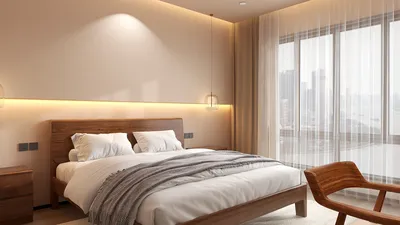


I once worked with a client who believed his small room needed a pull-down bed alongside a wrestling mat. This challenge led me to develop a multifunctional design, highlighting how small spaces demand innovative thinking. For anyone dealing with limited square footage, strategic adjustments can enhance the feeling of space, ruggedness, and individuality. To visualize the concept quickly, I utilize Homestyler for 3D room previews, allowing clients to understand the layout before proceeding.
1. Elevated Bed: Creating Space Below
By lifting the bed, you can free up the area underneath for a desk, storage, or a cozy hangout spot. This design choice adds vertical appeal while concealing clutter. However, it requires careful planning for ventilation and access to outlets. For instance, I transformed a 9 sqm bedroom into a dynamic multifunctional space using this idea, enabling the client to enjoy a complete work area while maintaining their sleeping comfort.
save pin
2. Wall-to-Wall Storage Solutions
In small rooms, having floor-to-ceiling cabinets can be incredibly beneficial. Opting for matte finishes can help achieve a masculine and serene aesthetic. The downside typically involves higher costs and permanence; custom-built solutions can be expensive and less adaptable, but they ultimately contribute to a clean and clutter-free environment. I prefer to combine open spaces for displaying shoes or books with closed sections for clothing to maintain visual equilibrium.
save pin
3. Zone Your Room with Thoughtful Furniture Choices
Furniture can serve as effective room dividers, allowing you to subtly create distinct areas for sleeping and working. Utilizing items like bookshelves, low dressers, or a sleek sofa can help delineate spaces. In cases where a small kitchenette or wet bar is present, a compact cooking strategy ensures organization without adding chaos. There's often a need to balance circulation and storage; I focus first on ensuring clear pathways around the bed.
save pin
4. Adding Depth with Color, Lighting, and Texture
Incorporating dark accent walls with layered lighting helps a small room feel inviting rather than cramped. Using textured rugs and metallic finishes adds a masculine touch without overwhelming the senses; however, it's crucial to avoid excessive patterns that could visually shrink the area. I counteract this by keeping larger surfaces neutral, spicing things up with bold, smaller accents.
save pin
5. Embrace Technology and Modular Solutions
Investing in modular furniture and smart fixtures allows for adaptability as needs evolve — such as incorporating fold-down desks or modular wardrobes. Recently, I have been using Homestyler's AI-assisted room boards which enable clients to explore multiple layout alternatives quickly. While having numerous options can overwhelm decision-making, I typically provide clients with two robust plans to maintain focus.
save pin
Tips 1:
Budget considerations: Focus on acquiring adequate storage and a comfortable mattress before splurging on decor. Quick wins include under-bed organizers, a standout piece of art, and swapping thick curtains for roller shades to enhance light and space perception.
save pin
FAQ
Q1: What is the ideal bed layout for a compact room?
Maintain clear pathways: Arrange the bed to ensure at least one side is easily accessible. If placing it against a wall, ensure the other side is still reachable for daily activities.
Q2: How do I add storage without creating a cluttered atmosphere?
Implement vertical storage solutions, hidden cabinetry, and multifunctional furniture, such as a bench with internal storage. Limit visible items to a few select pieces to retain a tranquil aesthetic.
Q3: Are darker colors suitable for small spaces?
Absolutely — dark hues can impart depth and a cozy vibe when balanced with adequate lighting and lighter fabrics. I recommend opting for a singular dark feature wall to avoid an overly enclosed feeling.
Q4: What is the recommended clearance around furniture?
Aim for a circulation space of at least 24–30 inches (60–75 cm) whenever feasible for comfortable movement. The American Institute of Architects (AIA) emphasizes that clearances and circulation plans are essential for effective room layouts (https://www.aia.org).
Q5: What flooring is most suitable for small male-oriented rooms?
Hardwood or high-quality vinyl planks are ideal as they provide versatility and the illusion of an expanded floor area. Incorporate a textured rug to define the bed or seating area, and steer clear of intricate patterns that can fragment the visual space.
Q6: How can I craft a multipurpose workspace in a compact bedroom?
Select a streamlined desk or a wall-mounted fold-down table, and organize cables neatly using clips. Position the workspace near natural light, and utilize task lighting for efficient focus during work.
Q7: Can I implement these changes on a limited budget?
Definitely — options like painting, switching out hardware, and adding modular shelving or creative lighting enhancements are budget-friendly yet impactful strategies. I often advise clients to adopt a phased approach to budgeting, allowing them to spread costs over time.
Q8: Where can I view example layouts and test quick design concepts?
Explore sample planners and visualization tools that allow you to experiment with layouts and materials before making a commitment. These tools can minimize surprises and foster confident decision-making.
save pin
Homestyler is your go-to online home design platform, perfect for anyone looking to create stunning interiors. With its user-friendly design tool, impressive 3D renderings, and a wealth of DIY video tutorials, you can effortlessly bring your vision to life and transform any space!
Design Now for FREE
































