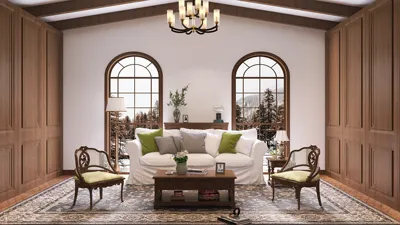


The evolution of living spaces is progressing rapidly, outpacing our ability to adapt in terms of storage, travel, and mental capacity. This shift has become evident as I work to streamline today’s limited routines into more user-friendly formats. Data from Zillow indicates that since 2020, smaller residences have gained greater popularity than their larger counterparts, signaling a trend towards purposeful use of space—perfectly exemplified by a 750 sq ft floor plan. Within a compact 25×30ft area, the structure of daily living reorganizes into fewer, more efficient modules.
spatial reasoning toolkit
Linear Studio Spine
Design Logic: A central corridor seamlessly connects the entryway, kitchenette, living space, sleeping alcove, and bathroom, creating a straightforward layout that minimizes context switching in an urban work-life setting. The future of living favors continuous workflows rather than disjointed rooms.
Flow: Entry → galley kitchen → living bay → sliding partition → sleep alcove → bath; this layout ensures a direct and efficient pathway with minimal delay.
Sightlines: A front-to-back axis maintains visual continuity; a partial-height partition functions much like a UI breadcrumb trail without obstructing the main view.
Storage: A full-height wall pantry and bed platform drawers serve as strategic storage solutions; 18" deep built-ins optimize easy access.
Furniture Fit: A 72–78" sofa, a 30×60" dining table that can be wall-mounted, and a queen bed (60×80") fit snugly into an 8' alcove; each item adheres to the 25' width specifications.
Verdict: This spine design is built to accommodate hybrid lifestyles—working, hosting, and relaxing—compiled into a coherent flow that can manage future demands.
save pin
Split Core One-Bed
Design Logic: A strategically placed wet core (bathroom and stackable laundry) separates public from private spaces, safeguarding remote work boundaries and promoting acoustic comfort.
Flow: Entry → living/kitchen open area → routing around the wet core → bedroom; this design mimics the branching pattern of a stable tree, facilitating smooth processes.
Sightlines: Diagonal vistas alleviate visual clutter; the kitchen island creates a calming focal point by aligning with the window, ensuring a harmonious UI hierarchy.
Storage: Two 24" closets flank the core; additional overhead soffit storage offers a secondary area for seasonal items.
Furniture Fit: A 9' island (36" deep), an 84" media wall, and a bedroom with 64" clearance on either side maintain precise tolerances to match daily living patterns.
Verdict: This balanced layout fosters a sense of privacy while promoting openness, much like future applications share data seamlessly without breaches.
save pin
L-Loop Micro Suite
Design Logic: The design loops around an L-shaped window, treating daylight as the essential operating system; tiny zones are arranged in a continuous circuit for efficiency.
Flow: Entry point → corner kitchen → living curve → desk nook → sleeping area → bathroom; this layout eliminates dead ends.
Sightlines: Corner glazing creates a multi-layered UI—immediate task view, mid-range social area, and distant outdoor scene—keeping cognitive demands manageable.
Storage: A corner pantry and corridor millwork (14–18" deep) are complemented by niches in the bed's headwall, providing easy access to everyday items.
Furniture Fit: A 60" round table perfectly fits the curve; a modular 72" sofa with chaise converts to a guest bed; dresser seamlessly slides beneath window sills.
Verdict: This configuration acts like a resilient network—if one area becomes busy, circulation seamlessly reroutes for the next five years of integrated living.
save pin
Final Takeaway
A 750 sq ft home within a 25×30ft framework can transform limitations into a well-organized interface for daily life. Variants like the linear studio, split-core one-bedroom, and L-loop micro suite effectively translate modern living habits into a structured blueprint. In my observations, the most intelligent homes of the future will prioritize intentionality over size, and Homestyler can help visualize these innovative spaces.
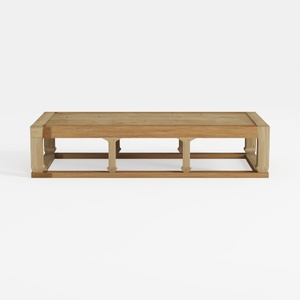

Minimalist Solid Wood Rectangular Coffee Table 3D Model

Minimalist Solid Wood Linen Fabric Extra Long Sofa 3D Model

Zoe Ash Medium Record Storage Console
Looking to transform your space? Homestyler offers a fantastic online design tool with stunning 3D renderings and a wealth of inspiring design projects. Plus, with DIY video tutorials at your fingertips, bringing your creative vision to life has never been easier. Start designing today!
立即免费设计
































