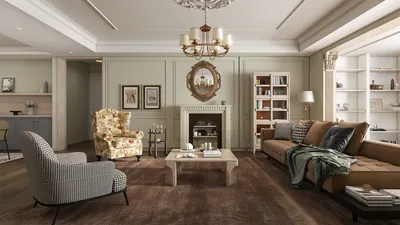


I have worked on numerous small living rooms where wood serves as a subtle yet impactful element—bringing warmth to the environment, directing focus, and offering built-in storage solutions that avoid visual chaos. The aim is straightforward: leverage the grain, color, and scale to create an expansive and harmonious feel in confined spaces.
Gaining a quick understanding of scale and comfort is essential in guiding design choices. Research by Steelcase on workplace seating highlights that ergonomic back support and appropriate seat heights can significantly influence comfort and time spent in a space; similar ideas are relevant to living rooms—ideal seat heights are typically between 17–19 inches, and supportive back angles can help combat fatigue in limited areas. Furthermore, WELL v2 recommendations emphasize reducing glare and managing light reflection for improved visual comfort; using matte wood finishes alongside controlled lighting enhances readability and lessens eye strain in smaller settings, a principle that can also be applied when using the Homestyler app for virtual designs.
The interaction between lighting and wood finishes is crucial for smaller areas. The Illuminating Engineering Society suggests providing about 100–300 lux for ambient lighting in residential living spaces, with task lighting recommended to reach 300–500 lux. To minimize glare, keep wood surfaces with a low sheen (≤20 gloss units) and opt for warm-neutral light temperatures around 2700–3000K, which beautifully complement the hues of honey, oak, and walnut without altering the visual warmth of the space.
Opt for Light Wood Species and Fine Grains
Begin with lighter woods that can visually enlarge the space: consider white oak, ash, maple, or bamboo laminates with uniform grain patterns. Lighter materials help raise the room's perimeter, reflect additional light, and soften the visual weight of heavy furniture. Utilize tight, straight grain designs for larger surfaces like flooring and wall panels to establish a soothing rhythm; save bold grains or knots for minor accents to avoid overwhelming the aesthetic.
Implement the Three-Tone Rule
Restrict your color scheme to three wood tones across the floor, furniture, and decorative elements. For instance: a light oak floor paired with a medium walnut media console and a soft oak coffee table maintains harmony while adding depth. Introduce a single non-wood element—such as a charcoal or deep navy rug or cushion—to create contrast and prevent the space from appearing dull.
Choose Slim Designs, Elevated Legs, and Visual Lightness
Small rooms benefit from furniture designed with slim frames and raised legs. Elevating furniture visually permits the floor to extend beneath them, enhancing the sense of depth. Opt for tabletop profiles that are 1–1.5 inches thick instead of bulky options, and prefer rounded edges to facilitate movement. Balance the visual weight; if a robust wood cabinet occupies the space, pair it with a lightweight, upholstered lounge chair to alleviate bulk.
Integrate Discreet Wood Storage
In confined spaces, built-in cabinetry often surpasses standalone units. Using full-height wall storage equipped with push-to-open doors and integrated hardware helps maintain a neat appearance. Align the lines of cabinet doors with window frames and baseboard heights to create a sense of rhythm. Position vertical grain to visually elevate the ceiling height; horizontal grain can be effectively used on lower cabinets to widen the visual space.
Manage Light, Glare, and Reflective Surfaces
Wood can beautifully reflect warmth, but excess shine can cause visual distractions. Combine matte-finish wood with diffused light sources: think fabric-shaded floor lamps, wall-mounted lighting, and dimmable LEDs with light temperatures of 2700–3000K. Position task lighting near reading areas and avoid placing downlights directly overhead shiny surfaces to minimize glare. Consider installing LED strips in a cove or wall groove to subtly highlight wood panel textures without harsh hotspots.
Design Layouts That Optimize Wood Functionality
Efficient layouts in small spaces depend on unblocked pathways and appropriately scaled arrangements. Position a compact sofa around 6–8 inches from the wall to allow for movement, anchoring it with a wooden coffee table aligned to sight lines. Maintain pathways of 30–36 inches, and in narrow spaces, utilize a slim wooden console behind the sofa to conceal cables while establishing a mini workspace. When exploring different arrangements, utilizing a layout simulation tool like Homestyler can help visualize proportions and flow before finalizing decisions.
room layout tool
Tone-on-Tone Textiles Complementing Wood
Wood stands out best when paired with textiles that soften its appearance. Utilize materials like boucle, linen, or wool in gentle neutral shades to absorb sound and reduce contrast. A flatweave rug in warm gray or oatmeal can balance busy wood patterns. If the flooring is light oak, consider mirroring that tone in the curtains or cushion piping for a cohesive look.
Acoustic Softening with Minimal Bulk
Compact areas can amplify sound. Introducing textiles with acoustical benefits such as fabric shades, upholstered seating, and rugs with padding can mitigate this issue. Slatted wood panels placed above felt backing can achieve effective sound absorption while remaining visually lightweight. Avoid placing extensive glass surfaces directly opposite broad wood expanses; include curtains or textured wallcoverings to minimize sound reflections.
Color Psychology Intertwined with Wood
Warm wood colors encourage relaxation and a sense of community. Pair glowing wood tones with soft greens or gentle blues for a calming effect. Deeper walnut shades benefit from lighter wall paint (such as warm off-whites or pale taupes) to prevent the room from feeling cramped. To inject a little energy, add touches of terracotta or rust, as they resonate with the warmth of the wood without dominating the overall color scheme.
Multi-Functional Furniture with Built-in Power Solutions
Select wooden coffee tables with concealed storage and lift-top designs for laptop use, as well as media consoles equipped with cord management and ventilated backs. Maintain a tidy space by routing outlets beneath a narrow wood sofa table. In compact living spaces, a nesting set of wood side tables provides versatility without adding unwanted bulk.
Sustainable and Resilient Finishes
Choose FSC-certified veneers or engineered wood to minimize movement with varying humidity levels. Waterborne polyurethanes or hardwax oils offer low-VOC finishes that maintain the natural look of the grain. In heavily trafficked living areas, consider a matte, easily repairable finish that allows for simple spot-fixing of minor scratches rather than necessitating a full refinishing.
Flooring Arrangements that Create Illusion of Space
To visually elongate the room, lay wood planks parallel to the longest wall. For herringbone or chevron patterns, select smaller modules with low-contrast stains to avoid overly busy designs. Implement level transitions at thresholds to ensure unobstructed sightlines and improved wheelchair access.
Layered Lighting that Respects Wood’s Beauty
Establish three layers of lighting: ambient (from the ceiling or wall), task (for reading), and accent (such as a picture light or shelf LED). Position warm accent lights to softly illuminate the wood grain, revealing its texture and creating an inviting atmosphere. Maintain consistent dimming across fixtures to avoid color inconsistencies and keep a unified look in the evening.
Styling: Focus on Fewer, Larger Items in Harmony
Opt for larger decorative pieces to minimize visual clutter. A single prominent vase on a console, a substantial framed artwork, and a stack of books can be sufficient. Align your decorative items with the direction of the wood grain—vertical decor on vertical panels and elongated items on horizontal surfaces—to reinforce a sense of order.
Frequently Asked Questions
Limit to three key elements: the floor, key furnishings, and a single accent. This approach ensures visual harmony without making the palette feel flat.
Aim for 100–300 lux for general lighting and 300–500 lux for task areas. Warm-neutral LED lighting at 2700–3000K accentuates most wood tones and diminishes glare.
Absolutely, if done thoughtfully. Use darker woods in specific features (like a media console or slatted wall) and surround them with lighter walls, pale flooring, and furniture with raised legs to maintain a sense of airiness.
Lighter varieties such as white oak, ash, maple, and bamboo laminates with tight grain patterns not only reflect more light but also help reduce the impression of visual busyness.
Using flush drawer fronts, push-to-open mechanisms, and vertical grain patterns can help surfaces feel less imposing. Align the grain and reveals with architectural lines for greater visual harmony.
Opt for low-contrast flatweave rugs or short-pile wool in warm neutral hues; they will enhance acoustics without competing with the wood grain’s visual complexity.
Choose options like FSC-certified veneers or engineered wood finished with waterborne polyurethane or hardwax oils. Matte, easily repairable finishes are ideal for managing everyday wear.
Maintain circulation paths of 30–36 inches; slightly float your sofa from the wall and align your coffee tables with door or window sightlines to optimize flow.
Absolutely. Soft greens and blues promote calmness; warm neutrals enhance a cozy vibe. Introduce occasional rust or terracotta accents for energetic pops without being overwhelming.
Replace high-gloss finishes with matte alternatives, reposition downlights, and employ diffused shades. Utilizing dimmable warm LED lighting can also ease the occurrence of unwanted reflections.
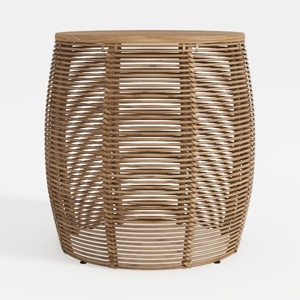
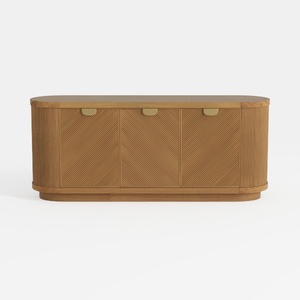
Modern Minimalist Solid Wood Fluted Sideboard with Brass Accents 3D Model

Bohemian Rattan Round Coffee Table 3D Model
Looking to transform your space? Homestyler offers a user-friendly online design tool, stunning 3D renderings, and a wealth of inspiring design projects. Plus, with informative video tutorials, you'll have everything you need to bring your home design dreams to life effortlessly!
Zaprojektuj teraz za darmo
































