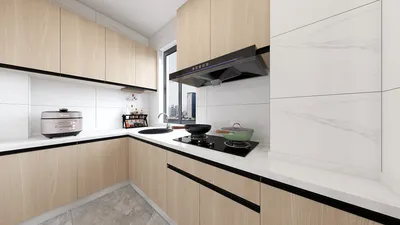


Maximizing the utility of small kitchens involves ensuring that every inch is effectively utilized. Over the last ten years, I've incorporated UPVC (unplasticized PVC) cabinets in tightly designed urban apartments, secondary suites, and rental renovations where durability and ease of maintenance are essential alongside aesthetics. The standout feature of UPVC is its ability to withstand moisture, everyday wear, and budget constraints while maintaining a sleek appearance in compact designs.
To optimize a small kitchen, one should start with performance metrics rather than merely the finishes. Research from Steelcase indicates that environments that minimize friction and maintenance demands improve occupant focus and well-being—principles that apply directly to kitchens where cleanable, durable surfaces reduce cognitive burdens. When combined with the WELL v2 framework, which encourages materials that prevent water damage and enhance cleanliness, UPVC’s moisture resistance becomes a key factor for lasting quality and hygiene.
Why UPVC Cabinets Are Ideal for Compact Kitchens
I advocate for UPVC in space-efficient layouts due to its dimensional stability, moisture resistance, and practicality in high-traffic areas. Unlike wood-based options that may warp in humidity, the sturdy vinyl core resists swelling, while high-pressure wraps or thermolaminates on UPVC surfaces repel grease and stains with simple wipe-downs. In rental units and family kitchens, the maintenance-friendly nature of UPVC is invaluable. Additionally, lighter, slimmer door structures allow for stylish reveals and tighter hinge clearances, creating an advantage in narrow galley kitchens.
Designing for Optimal Storage in Limited Space
In small kitchens, maximizing storage density is more beneficial than simply increasing cabinet numbers. I focus on a working triangle that reflects modern workflow—from fridge to prep area to cooking—divided into functional zones. Features like a slim pantry pull-out near the refrigerator, an undersink recycling station, and a stack of prep drawers between the cooktop and sink simplify mobility. Before finalizing cabinet orders, a thorough check using a room layout planner can help identify potential issues such as oven-door swings colliding with island overhangs or handle entanglements at corners.
The Role of Light, Color, and Perception
Small kitchens benefit from strategic lighting and a color scheme that visually reduces bulk. Lighting experts recommend ambient task lighting for work areas within the range residential designers often target for visibility and safety; I typically utilize 3000–3500K under-cabinet LEDs in task areas and 2700–3000K ambient lighting for a welcoming glow. The matte finishes of UPVC minimize glare from strong task lights, while light neutral cabinet colors (such as warm whites, soft grays, or sandy tones) help create an illusion of greater space. Additionally, color psychology insights suggest that cooler shades may enhance the feeling of openness, while balanced warm accents prevent a sterile ambiance.
Hardware Selection and Access in Narrow Spaces
The choice of hardware can significantly affect the kitchen's flow. In aisles narrower than 1000 mm, I often recommend utilizing integrated finger pulls or slender edge pulls to minimize snagging. Soft-close hinges are essential for protecting the edges of UPVC from wear due to impact. For blind corners, incorporating a LeMans or kidney carousel can revive otherwise unusable areas. Essential dimensions to remember: most drawers adjacent to cooktops perform best in a 450–600 mm range, while garbage or recycling bins beneath sinks are ideally 400–500 mm wide to accommodate plumbing. Keeping upper cabinets shallower (between 300–330 mm) with lift-up doors limits their projection into narrow aisles.
Managing Moisture, Heat, and Cleaning Needs
The primary benefit of UPVC lies in its ability to resist steam and splashes around sinks and dishwashers. However, I still insulate the sides of ovens and dishwashers with heat shields according to appliance specifications; even though UPVC fronts can handle moisture, excessive heat from side vents can wear down any finish over time. For day-to-day cleaning, a mild dish soap and soft cloth suffice for the majority of messes; it's best to avoid harsh solvents that could dull the glossy surface. Additionally, edge banding or caps on seams and end panels are recommended to keep edges neat and protected from moisture.
Color and Finish Techniques for Enhanced Spatial Depth
To create a sense of dimension in compact kitchens, I suggest using varied finishes: light upper cabinets complemented by darker lower ones, or a vertical shading approach where the pantry tower’s color deepens slightly for grounding. The use of wood-look UPVC veneers can introduce warmth without the maintenance concerns associated with natural wood near water sources. If your kitchen relies on natural lighting, satin finishes will appear brighter than heavy mattes while still controlling glare effectively. I reserve high-chroma colors for smaller features—like a 600 mm appliance garage—ensuring the space remains versatile without an extensive remodel.
Enhancing Acoustic Comfort and Surface Choices
In open-concept living scenarios, hard kitchen surfaces can reflect sound. UPVC cabinets outfitted with soft-close features help to dampen impact noise, and incorporating sound-absorbing elements—like upholstered bench cushions, runners, or felt-lined drawers—can mitigate reverberation. Whenever possible, select backsplash materials with microtextures that diffuse sound rather than reflecting it harshly.
Human Factors and Ergonomics
Considering ergonomic reach is vital when upper cabinets are mounted high to maximize storage. Essentials should be placed between 900–1500 mm from the floor, while less frequently used items can reside on the top shelves. Utilizing drawer-based base cabinets minimizes bending; a stack of three drawers (for pans, utensils, and miscellaneous items) placed near the cooktop helps keep heavier items conveniently located within the 600–900 mm range. Handles should be positioned at heights of 900–1050 mm to avoid shoulder strain. For smaller households, a 450 mm dishwasher and a 600 mm sink with an offset bowl strike an excellent balance between functionality and space.
Environmental Sustainability Considerations
Though UPVC is a plastic-based material, its longevity and reusability are significant benefits. Choose product lines that feature replaceable fronts and utilize documented low-emission adhesives. Pair these with durable countertop materials (compact laminate, sintered stone) and LED lighting to minimize energy consumption and scheduled replacements. Properly sealed cabinet boxes also help maintain a conditioned atmosphere by reducing gaps through which humidity might infiltrate the structure.
Budget and Value in Small-Scale Renovations
In projects with limited dimensions, cabinetry often represents the greatest portion of the budget. UPVC cabinet fronts generally fall within a cost bracket that is more affordable than premium wood veneer and lacquer options, with substantial savings in maintenance over time—particularly in rental settings. It is prudent to invest in components where touch and functionality are utilized every day: quality hinges, durable drawer slides, and effective under-cabinet lighting. Savings can be achieved on decorative elements by using clean end caps and maintaining a simple color scheme.
From Planning to Installation: Workflow Efficiency
Before finalizing my design, I typically draw three layout options: a galley layout with vertical storage, an L-shape featuring a movable island, and a single-wall kitchen with a drop-down prep leaf. Each design variant is evaluated for appliance ventilation, door swing clearances, and lighting distribution. Using a digital interior layout planner frequently reveals better placements for appliances like microwaves or a narrower pantry that could free up critical centimeters in space.
Elevating UPVC with Complementary Materials
UPVC offers a sleek and modern look; balance it with tactile materials such as timber-like flooring, ribbed glass on a standout cabinet, or brushed stainless steel accents. When selecting backsplashes, opt for small-format tiles laid vertically to elongate the visual height of the walls. Keeping plinth heights minimal (70–100 mm) helps enhance the cabinetry's silhouette in tightly spaced rooms, while ensuring ergonomic toe-kick heights are confirmed for those who cook frequently.
Routine Maintenance, Lifespan, and Quick Repairs
With basic care, UPVC cabinets can provide years of reliable service. If a door incurs damage, many UPVC collections allow for individual front replacement. Keeping an extra length of edge trim available for quick repairs, and periodically checking hinges to tighten them and adjust cabinet reveals will keep lines looking sharp. Placing a removable mat under-sink can catch spills and protect the base panel.
Common Pitfalls to Avoid in Kitchen Design
Lighting Plan Considerations for Compact Kitchens
Layer three types of lighting: ambient (via ceiling fixtures or coves), task (with under-cabinet strips positioned forward near the cabinet fronts), and accent (inside a glass-front accent cabinet). Aim for warm-neutral 2700–3000K for overall lighting, with slightly cooler 3000–3500K for counter spaces to ensure food colors appear accurate. Incorporating dimmers allows a small kitchen to transition from preparation mode to dining atmosphere without creating visual disarray.
Frequently Asked Questions
Indeed, UPVC surfaces resist moisture and daily spills significantly better than many painted wood alternatives. When fitted with quality hinges and appropriate heat shields near appliances, they perform exceptionally well in kitchens subjected to regular use.
High-quality UPVC with UV-stabilized coatings maintain their color effectively. To reduce the risk of long-term fading, filter out intense direct sunlight and select finishes from reputable manufacturers.
While UPVC resists humidity, it's crucial to shield it from direct lateral heat sources. Implement manufacturer-recommended heat shields between cabinets and heat-producing appliances for best results.
Cleaning UPVC is simple—utilize mild soap and water with a soft cloth. Steer clear of abrasive materials and harsh chemicals to preserve the surface luster.
Light neutrals are effective for expanding visual space. Pair lighter upper units with slightly darker lower cabinets or introduce a restrained accent on a standalone element for added depth without overwhelming the area.
Employ drawer bases for pots and utensils, keep frequently used items within 900–1500 mm for easy access, and consider lift-up or sliding doors on upper cabinets in narrower aisles.
Incorporate soft-close hinges and drawers, use textiles like runners and seat pads, and explore microtextured backsplash materials to help diffuse sound with tact.
UPVC's durability and low-maintenance nature help to extend replacement intervals. Look for options that utilize low-emission adhesives and pair them with long-lasting LED lights and energy-efficient appliances to increase overall sustainability.
Avoid overloading corner cabinets, neglecting ventilation needs, or opting for bulky handles in confined spaces. Testing door swings and appliance clearances with a digital planner before ordering is highly recommended.
Absolutely. The slick profile of UPVC harmonizes beautifully with timber-inspired flooring, brushed metal hardware, and ribbed glass accents, adding warmth and texture to the design.
Matte finishes effectively reduce glare from task lighting. Target a color temperature of 2700–3000K for ambient lighting, and slightly cooler tones (3000–3500K) at counters to ensure accurate color presentation.
With regular maintenance and attention to hardware, expect many serviceable years from your UPVC cabinets. Individual fronts can often be replaced without the need for a complete overhaul.
Looking to transform your space? Homestyler is your go-to online home design platform! With its user-friendly design tool, stunning 3D renderings, inspiring design projects, and helpful video tutorials, you'll effortlessly create your dream home in no time. Dive in and unleash your creativity today!
Desain sekarang Gratis
































