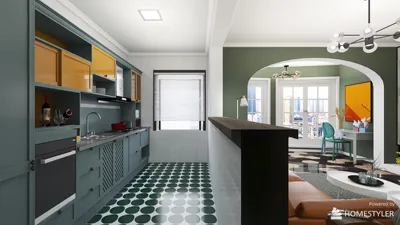


Crafting a small hostel room designed for extended study sessions, restorative sleep, and daily habits necessitates thoughtful organization and a focus on user-centric elements. Throughout my academic projects, I've observed that the most efficient rooms skillfully merge compact storage, flexible furniture, and lighting that transitions from work to relaxation. Research supports this approach; the Gensler U.S. Workplace Survey indicates that environments providing both concentrating and restorative settings can significantly enhance productivity. Steelcase has reported that well-crafted spaces may increase perceived effectiveness by as much as 20% when both concentration and comfort are prioritized. In terms of lighting, I adhere to the recommended practices by IES: desk task lighting should ideally deliver around 300–500 lux to alleviate eyestrain, while ambient illumination for general movement can be set between 100–300 lux, depending on specific activities.
The interplay of color and psychology is equally crucial. Insights from Verywell Mind on color psychology suggest that shades of blue and green promote calmness and focus, while warm neutral tones can create a reassuring environment without overstimulation. Based on my observations, combining a soft sage or light denim blue with warm white light (approximately 3000–3500K color temperature) enables students to transition smoothly from intensive study to restful sleep, avoiding harsh glare. The WELL v2 framework underscores the importance of controllable lighting and acoustic comfort; spaces that feature adjustable task lamps and materials that dampen noise enhance overall wellbeing and lessen mental load during study periods.
Maximizing Layout Efficiency
Begin with positioning the bed against a wall to serve as a central anchor, then arrange other functions around it. A single bed with storage drawers or a lift-up base effectively minimizes visual clutter while keeping essentials within reach. Prioritize circulation first—ensure at least 750–900 mm of unobstructed walking space to avoid collisions with furniture when urgency strikes. In scenarios where two students inhabit a compact room, implementing a stacked storage wall between desks can foster partial privacy without secluding the space. To visualize these configurations prior to final decisions, utilizing a room layout tool like Homestyler can assist in testing circulation, desk arrangements, and storage clearances.
Effective Study Workspaces
It is essential to have a desk that is suited to the room's dimensions and the user's physical comfort. Strive for a desk height around 720–750 mm, complemented by a chair that allows for adjustable seat height and lumbar support. The monitor's top should be aligned with or slightly below eye level, as recommended by the Interaction Design Foundation, to reduce neck strain during prolonged focus periods. I personally prefer a desk depth of around 600 mm, allowing room for a laptop, books, and a task lamp without feeling congested. A clamp-on lamp with high-CRI LEDs and a directed beam is ideal for minimizing light spillover into the sleeping area.
Adaptive Lighting Throughout the Day
Implementing layered lighting can facilitate three distinct modes: focus, relaxation, and sleep. For desks, use task lighting set at 300–500 lux with neutral to warm white tones (around 3500K) and low glare. Ambient lighting in the room can function at approximately 200–300 lux for general purposes, ensuring diffusion to mitigate harsh shadows. In the sleeping area, use very soft lighting around 50–100 lux at 2700–3000K for pre-bedtime routines. Shield bare LEDs and incorporate matte reflectors to minimize glare, and consider adding a small night light by the entry to reduce disturbances during late arrivals.
Clutter-Free Storage Solutions
In compact hostel accommodations, achieving visual calmness is key. Opt for tall wardrobes incorporating both hanging spaces and adjustable shelves, accompanied by a pull-out basket for laundry. Installing a pegboard above the desk will keep supplies both organized and easily accessible without cluttering surfaces. Utilize uniform storage bins with subtle labels; consistency can alleviate cognitive burden during stress-filled exam periods. Store items that are infrequently used in under-bed storage to maintain clear functional areas.
Curated Color and Material Schemes
Select a limited color palette to create a serene environment: one calming shade (such as sage, mist blue, or pale olive), a warm neutral (like sand or oatmeal), and a single accent (deep navy or terracotta) used sparingly. Matte paint finishes can minimize glare and reflections, while low-VOC paints contribute to maintaining air quality. Soft-touch finishes on laminate desks enhance tactile comfort, reducing the clinical feel of the space. A compact, plush rug can provide acoustic benefits and tactile comfort without overwhelming the floor area.
Sound Management in Shared Spaces
Noise levels can pose significant distractions in student accommodations. Utilizing soft materials—like curtains, rugs, and upholstered headboards—diminishes reverberation times and renders quiet conversations less disruptive. Ideally, position study areas away from doors; if the room faces a bustling corridor, seal door gaps and consider adding a fabric draft stopper to manage sound leakage. For roommates on differing schedules, using foldable screens or bookshelf dividers can establish psychological barriers that promote quieter interactions.
Creating Defined Micro-Zones
Within the constraints of a small area, it’s important to create defined micro-zones. For the sleeping area, consider a bed paired with a slim wall shelf for a book and a water bottle. The study zone should consist of a desk, task lamp, pinboard, and organized cable management. A compact reset area may include a stool, yoga mat, or a cozy window ledge. These distinct spaces guide behaviors—studying at the desk and unwinding elsewhere—reinforcing positive habits. Ensure visual distinctions between zones through thoughtful use of lighting and varied materials.
Designing for Improved Roommate Relations
Thoughtful design can subtly enhance roommate dynamics. Symmetrically arranging desk setups with equal lighting and storage options can help mitigate feelings of inequality. Providing personal pinboards and compact lockable storage solutions empowers each resident. Utilizing neutral elements throughout while permitting personal accents fosters a sense of fairness, steering clear of a generic aesthetic.
Smart Furniture Selections for Space Efficiency
In spaces where floor area is limited, wall-mounted fold-down desks can be an excellent option. Nesting stools can serve double duty as nightstands and additional seating. A streamlined rolling cart can function as a movable organizer for snacks, stationery, or cleaning supplies. If permitted, consider adding a tension rod closet organizer for added tiers without the need for drilling. Displaying furniture legs helps create the illusion of increased floor space.
Light Management for Comfort and Hygiene
For windows that receive strong sunlight, utilize sheer curtains for glare control during the day and blackout panels during sleep hours. Position the bed away from direct sunlight pathways to prevent early awakenings. Warmer lighting before bed and cooler tones during study sessions can help maintain circadian rhythms—WELL v2 principles emphasize the importance of light controllability and spectral awareness for fostering healthy habits.
Impactful Yet Simple Decor Choices
Limit decorative items to those with a clear purpose: a pinboard for schedules, a single framed piece in soothing colors, and perhaps a single low-maintenance plant, such as a snake plant or pothos, to enhance air quality and provide a touch of biophilia. Maintain clear surfaces; a visually calm environment can significantly aid in shifting to a focused mindset.
Simulating Layouts Prior to Move-In
Before making any purchases, scale out the room's dimensions to plan efficiently. Experiment with different bed orientations, desk depth, and door swing clearances. For quick visualizations and spatial checks, employing an interior layout planner, like Homestyler, allows you to evaluate multiple configurations in just a few moments.
Setup Guidelines: A Three-Step Approach
1) Determine distinct zones (sleeping, studying, resetting). 2) Establish appropriate lighting for each zone with dimmable options. 3) Evaluate storage: ensure one section is accessible, another concealed, and one portable. After the first week, review and adjust your setup based on real-life routines.
Routine for Weekly Refresh
Dedicate 30 minutes each week to declutter surfaces, replenish supplies, and adjust lighting angles. These small resets will help maintain the design's effectiveness, particularly during periods of exam stress.
Frequently Asked Questions
Aim for a work surface that achieves 300–500 lux using a focused, low-glare LED task lamp. This aligns with the guidelines put forth by IES for reading and computer work.
Soft greens and muted blues are conducive to calm focus, harmonized with warm neutral tones. Insights from Verywell Mind's color psychology echo this strategy.
An optimal desk height of approximately 720–750 mm, an adjustable chair featuring lumbar support, and a monitor positioned at or just below eye level help minimize strain during use.
Consider under-bed drawers, a tall wardrobe with adjustable shelving, and uniform labeled bins for organization. Storing infrequently used items out of sight can mitigate visual clutter.
Incorporate soft components such as curtains and rugs, seal gaps around doors, and strategically locate study areas away from entrance points. Utilizing bookshelf dividers can establish both acoustic and visual separations.
Employ ~3500K neutral-warm lighting in study zones and 2700–3000K warmth for relaxation. Including dimmable fixtures allows for easy transitions between modes.
Absolutely. Wall-mounted fold-down desks can liberate floor space and pair seamlessly with nesting stools. Confirm the structure's sturdiness and depth (at minimum 500–600 mm) for comfortable studying.
Facilitate fairness by providing symmetric desk arrangements, equal storage, and personal pinboards or lockable storage. Shared neutrality combined with personal touches can ease tensions.
Natural daylight enhances mood and concentration; adding sheer curtains can diffuse intense sunlight, while blackout panels ensure optimal sleep quality. Position the bed to steer clear of direct morning sun if early risings are a concern.
Indeed, a dense, small rug enhances acoustic comfort, adds a layer of tactile warmth, and anchors the study area without overwhelming the room's floor space.

Metal Platform Full Bed Frame with Headboard

58" Executive Desk, Farmhouse Computer Desk with

Modway EEI-6312-WHI-NAT Kinetic 49" Wall-Mount Off
Homestyler is your ultimate companion for transforming home design dreams into reality! With its intuitive online design tool, stunning 3D renderings, and a wealth of inspiring design projects and video tutorials, you’ll effortlessly create beautiful spaces—no experience needed!
Design Now for FREE
































