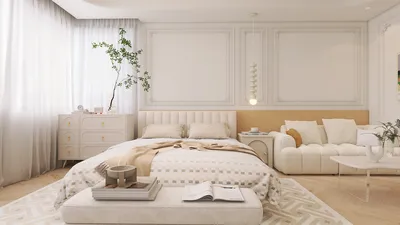


Envisioning future lifestyles necessitates homes that operate similarly to interactive systems, particularly as the current challenge involves financing square footage that often goes underutilized. Reports from the AIA and NAHB reflect this trend: a preference for smaller, yet high-performance designs is growing within new constructions and renovations. I've been refining a first-floor layout of 750 square feet with financial efficiency as a priority—considering space as a cohesive system, expenses akin to bandwidth, and choices as integrated functionality. The future is encroaching, and I recognize it early. This is where tools like Homestyler come into play, enhancing spatial reasoning.
Linear Gallery Layout
Design Logic: Utilizing a single-run axis stretching from entry to living space and kitchen minimizes partitions, thereby enhancing daylight and cost-effectiveness.
Flow: Sequence through entry node → coat area → living module → dining zone → galley kitchen → backyard; this path simplifies cognitive demands and mitigates budget concerns.
Sightlines: A direct sightline extending from the entrance to the rear window functions like a user interface breadcrumb, effectively indicating spaces without unnecessary barriers.
Storage: Continuous wall-mounted cabinetry acts as a cache—shallow yet extensive—ensuring a stable daily throughput.
Furniture Fit: Incorporating a sofa ranging from 72 to 78 inches, a drop-leaf table measuring 30x30, and a counter-depth refrigerator establishes API constraints that maintain a clear 36-inch circulation area.
Verdict: For clients focused on both finances and natural light, this streamlined approach ensures adaptability while maintaining economic visibility.
save pin
L-Shaped Core with Pocket Flex Room
Design Logic: The L-shaped core efficiently combines kitchen, bathroom, and laundry, utilizing shared plumbing stacks to lower costs and simplify construction.
Flow: The sequence follows entry → living axis → connection to kitchen → pocket flex room (office/guest space) → bathroom; it executes command with minimal diversions.
Sightlines: The angled L design reveals the kitchen only when approached, preserving visual clarity for both living and work areas.
Storage: Incorporating a tall pantry and utilizing under-stair or bench storage effectively prevents overflow while modular shelving organizes based on weekly routines.
Furniture Fit: Arranging an 84-inch sectional along the long side, a 48-inch desk in the pocket room, and precisely placed stools ensures a tight yet functional space.
Verdict: This geometric design operates like efficient coding: consolidating utilities, enabling choices, and sustaining costs within a manageable framework for future adaptability.
save pin
Courtyard Pinwheel (Micro Atrium)
Design Logic: A small interior light-well revolves rooms around a central hub, enhancing the perception of space without increasing square footage.
Flow: The progression of entry → circular corridor → living area → kitchen area → bathroom → sleeping nook; this pinwheel model ensures short circulation paths.
Sightlines: Cross-view perspectives into the atrium create a layered user interface—where foreground tasks meet mid-ground relaxation and the backdrop of the sky expands cognitive space.
Storage: Radial built-ins utilize corners, operating like circular buffers—small compartments with no wasted space.
Furniture Fit: A compact 70-inch sofa, a round table with a diameter of 36 inches, and a queen platform bed measuring 60x80 with 12 inches of under-bed storage fit seamlessly into the design.
Verdict: This atrium concept symbolizes the future: balancing daylight with privacy, allowing 750 square feet to feel vast and budget-friendly over time.
save pin
Final Takeaway
A 750 square foot first-floor plan performs optimally when its flows are structured like effective code and its expenses are tied to communal infrastructure. Approaches such as a linear gallery, an L-shaped core, or a pinwheel design around a light source illustrate how compact homes can transform into financially transparent interfaces. In my experience, the most innovative small homes will not necessarily expand in size but will instead become more deliberate in design. What continually manifests in my projects is that precise sightlines and smart storage logic redefine day-to-day living.
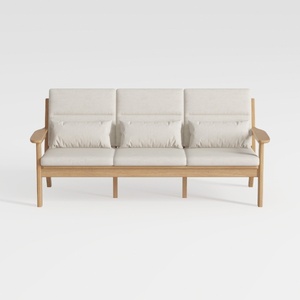

Minimalist Oak Fabric Three Seat Sofa 3D Model

Minimalist Solid Oak Coffee Table Simple Modern Design 3D Model

Modern Black Solid Wood Rattan Dining Chair 3D Model
Homestyler is your go-to online home design platform, perfect for anyone looking to create stunning spaces. With its user-friendly design tool, vast collection of 3D renderings, and informative DIY video tutorials, transforming your home ideas into reality has never been easier. Start designing today!
立即免费设计
































