

When it comes to landscaping small gardens, I view it as an intricate dance involving sightlines, microclimates, and the flow of human movement. The vision is to create a distinctive identity, ensure easy upkeep, and cultivate meaningful outdoor experiences, all while avoiding visual chaos and utilizing every square foot effectively. In confined areas, proportion and rhythm take precedence over mere size: a straightforward axial pathway, a well-layered planting selection, and strategically placed focal points can portray intentionality and a sense of spaciousness. Research indicates the significance of well-crafted outdoor environments—Gensler’s findings reveal a direct relationship between access to high-quality outdoor settings and enhanced well-being; a concept that seamlessly translates to home spaces when you think of gardens as functional living areas (gensler.com/research). Furthermore, WELL v2 emphasizes the importance of environmental aspects—such as air quality, light, and comfort—in contributing to health; this logic extends to outdoor seating, shade provisions, and sound barriers (wellcertified.com).
Optimal performance in small areas begins with every inch serving a purpose: a cozy nook can act as a windbreak; a planter can serve as a resting spot; meanwhile, a trellis not only supports climbing plants but also shapes the space's flow. According to Steelcase research, individuals are inclined towards environments that offer choices—be it cozy corners, open spaces, shaded areas, or sunny spots—and that creating micro-zones enhances satisfaction and usage (steelcase.com/research). I interpret this into a structured yard with two or three zones: an entry garden for greetings, a functional side yard for herbs, and a back patio for social gatherings, all calibrated for sunlight and views. For illumination, I adhere to the Illuminating Engineering Society’s guidelines concerning glare and task lighting; pathways and steps should be illuminated to achieve 5 to 10 lux with warm lighting sources in the 2700 to 3000K range to maintain smooth lighting transitions (ies.org/standards).
Guiding Concepts: Scale, Flow, and Perspectives
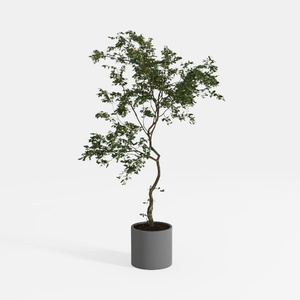
Compact landscapes can appear more expansive when vertical layers are managed effectively. I generally employ a three-tier approach: groundcover plants at heights of 4 to 10 inches to unify the ground plane, knee-high perennials at 18 to 24 inches for added texture, and a couple of sculptural elements (like an ornamental tree, tall grasses, or a slender water feature) reaching heights of 6 to 10 feet to anchor the visual interest. Positioning the tallest element slightly off-center helps avoid symmetry fatigue, encouraging the eye to explore and creating a sense of depth. Attention to sequence is essential: approach, pause, and reveal. Utilize gentle turns in pathways, low hedges, or screens to highlight the reveal of key patio areas or garden beds.
Effective Layout for Limited Spaces
In narrow plots, I favor elongated pathways that broaden at key destinations—imagine a 30-inch walkway expanding to a 60-inch landing near a bench or planter. Curved lines consume space; gentle angles preserve foot room and impart a contemporary touch. When planning options, employing a room layout tool like Homestyler can assist in visualizing the arrangement of planter edges and seating clearances prior to construction. Clear pathways should be prioritized from door to gate and from door to seating, avoiding intersecting routes to maintain tranquility and clarity in the garden. For sloped areas, I recommend integrating 12 to 18-inch deep steps that can double as seating, efficiently accommodating more guests without requiring extra furniture.
Planting Tactics: Layers with Low Maintenance
A small garden necessitates plants that contribute effectively. I achieve a balance between evergreens for structure and seasonal blooms: evergreen shrubs provide a winter backbone, while deciduous perennials bring spring and summer color, and ornamental grasses add movement. Opt for 2 to 3 key species and repeat them to minimize visual distraction. In sunny areas, a compact evergreen (like boxwood or holly), a long-blooming perennial (such as salvia, yarrow, or coneflower), and a fine-textured grass (like panicum or pheasant tail grass) work well together. In shaded conditions, glossy-leaved shrubs (like aucuba or dwarf laurel) paired with textured ferns and hellebores for late-winter color create a lovely aesthetic. Maintain modest root balls and consider narrow cultivars to facilitate circulation. Employing drip irrigation beneath mulch will conserve soil moisture without saturating the foliage; it's a clean and efficient method.
The Psychology of Color and Material Choices
Color can significantly alter one’s perception of space. Cool greens and blue-hued flowers can create an illusion of expanded boundaries, while warm colors—like terracotta pots, copper accents, and coral blooms—draw the eye inward, energizing seating areas. According to Verywell Mind’s research on color psychology, shades of blue and green foster calmness and focus, making them ideal for reading nooks or reflective spaces (verywellmind.com/color-psychology). The tones selected for hardscaping are equally important as the colors of plants; mid-grey pavers cut glare and hide dirt better than lighter stones, while a charcoal border can enhance sharpness and make the greenery stand out. To maintain a cohesive and sophisticated look, mix no more than two materials—like sawn pavers and broom-finished concrete.
Light, Shade, and Acoustic Ambiance
I create ambient lighting patterns at night: soft ambient light (via bollards or low spikes at 5–10 lux), task lighting on steps, and a focused light on a feature tree at around 100–150 lumens. It’s important to keep the color temperature at 2700-3000K to ensure smooth transitions from outdoor areas to the home. For shade, slender posts with a tensile fabric canopy or a deciduous trellis can filter summer heat while allowing winter sunlight to penetrate. On noisy streets, I recommend dense evergreen screens (like laurel, viburnum, or bamboo in contained planters) alongside a small recirculating water feature for sound masking without taking up considerable space.
Spatial Ratios and Visual Harmony
An effective rule for maintaining coherence in tiny yards is to allocate 60% of the ground area to pathways and hardscaping, and 40% to planting, with a slight adjustment allowed based on personal lifestyle needs. Clearances around seating should be prioritized: at least 30 inches behind chairs, 36 inches along main pathways, and 18 inches around planters for maintenance access. Keep focal points proportionate, ideally following a 1:1.6 ratio in relation to patio dimensions; for example, if your patio measures 8 feet in width, a 5-foot-tall multi-stem tree would create a balanced appearance. Repeating horizontal elements—such as bench slats that echo deck boards—can visually tie the components together.
Micro-Zones: Entry, Utility, and Retreat areas
It's possible to define three unique experiences without overcrowding the space. For entry, create a clean path featuring a single vertical accent, a mailbox planter, and a gentle wash of light. In the utility zone, conceal bins behind a 42-inch screen adorned with climbing jasmine, while a slim cabinet that also functions as a potting surface can house hoses and tools. For the retreat area, design a patio square measuring 7 to 8 feet, equipped with a corner bench, movable stools, and an extending planter that frames your seating while keeping the area intimate. If room permits, position the bench 6 to 8 inches back from the edge to enhance airflow during the summer months.
Seasonal Considerations and Maintenance
Compact gardens require manageable maintenance routines. Select plants that have tidy growth habits and stagger their bloom periods for consistent visual interest: early spring bulbs, various perennials, summer grasses, and autumn seed heads. Apply mulch annually, prune during late winter, and refresh with compost in the spring. For irrigation management, utilize a straightforward two-zone timer system—one for sunny areas and another for shaded ones—to minimize overwatering tendencies. Substituting annual flowers with evergreen herbs during shoulder seasons allows for maintained structure without requiring daily care.
Sustainable Practices That Optimize Space
Implement permeable pavers to facilitate water infiltration back into the soil; a small gravel trench along the perimeter can manage surface runoff while hosting drought-resistant plants. Select FSC-certified timber for your decks and benches, and aim for reclaimed stones or bricks when feasible. Using native plants not only reduces water use but also promotes local pollinators; a slender meadow strip along a sunny boundary offers habitat while serving as a natural screen without the bulk of hedges.
Furnishings, Fixtures, and Finishing Touches
In compact spaces, opt for furniture that is visually lightweight—think slatted benches, slender metal chairs, and round café tables. Maintain consistency in fixtures: select a unified finish for lights and hardware to create a neat appearance. Incorporate hooks for lanterns and a small shelf for plants; these little elements weave charm into the design without consuming valuable space. A slender water feature—ranging from 6 to 8 inches in width—introduces motion and reflective qualities; ensure it aligns stylishly with the paving to serve as a detail element.
Strategic Layout Planning Steps
1) Begin by mapping circulation patterns: door to gate, door to seating, and seating to utility. 2) Position the tallest feature away from the center to create an illusion of width. 3) Finalize your materials: two hardscape textures, one type of timber for decks/benches, and a single metal finish. 4) Arrange plants in threes; establish an evergreen base, introduce seasonal colors, and include grasses for movement. 5) Keep your lighting levels low in glare and ensure warm color temperatures. 6) Pre-test zones using tape on the ground or utilize a simulation tool, such as Homestyler, before actual construction. 7) Simplify by removing one item from each zone for a clearer visual impact.
Frequently Asked Questions
To create a coherent entrance, employ a strong axis from the sidewalk to the door, limit plant varieties to three or four, and place a single vertical element off-center. Cooler foliage tones paired with a mid-grey path can visually enlarge the space.
Adjust to target 5-10 lux for lighting along pathways and steps with 2700-3000K fixtures to decrease glare and harsh shadows, following IES guidelines for pedestrian ease.
Consider compact evergreens (like boxwood or holly), long-blooming perennials (such as salvia or yarrow), and fine-textured grasses (like panicum). Repeating these species keeps the visual scheme harmonious.
Create visual interest with a layered screen of 42-48 inches combined with climbing plants and a staggered arrangement of dense evergreens. Incorporate a small water feature to mask noise and evoke a sense of intimacy.
A patio measuring seven to eight feet square comfortably accommodates two to four individuals with a corner bench. Ensure a minimum of 30 inches of clearance behind chairs and 36 inches for main pathways.
Divide your planting area into two irrigation zones: sun-loving perennials on the sunny side and glossy-leafed shrubs with ferns on the shaded side for balance.
Favor gentle angles instead of broad curves to optimize space and keep circulation efficient. Reserve curves for planter borders or trellis edges to serve as accents.
Limit hardscaping materials to two textures (for instance, sawn pavers paired with broom-finished concrete) and maintain one metal finish across lighting and hardware elements. A charcoal border can accentuate edges effectively.
Utilize a compact cabinet that can serve as a potting bench, conceal bins behind a 42-inch screen, and install wall hooks for tools to maximize ground area.
Implement permeable pavers, native plant selections, drip irrigation, and reclaimed materials to minimize maintenance while enhancing stormwater management efficiency.


Homestyler is your go-to online platform for stunning home design. With its easy-to-use design tool, impressive 3D renderings, and a wealth of DIY video tutorials, you can effortlessly create and visualize your perfect space, no matter your experience level. Explore endless design possibilities today!
立即免费设计
































