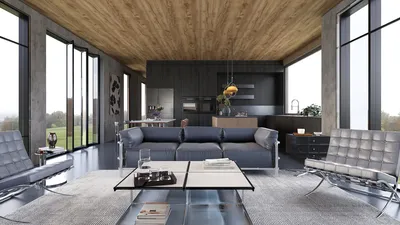


Once, I persuaded a client to paint their entire attic black to create a cozy atmosphere, but we ended up with a space so dark that even the cat avoided it. This experience with the low, oddly-shaped attic taught me a vital lesson: while small areas can inspire creative decor, it’s crucial to consider proportions and lighting. In my projects, I often begin by taking measurements and utilizing design tools to plan the dimensions effectively, preventing any design mishaps later on.
1. Make the most of sloped ceilings with a built-in desk
I enjoy placing a continuous built-in desk under the eaves; this design feels customized and maximizes circulation space. The benefits include a sleek, polished appearance with extensive storage beneath. However, custom millwork can elevate costs—so to stay budget-friendly, I frequently combine Ikea cabinet fronts with a custom countertop.
2. Define areas with rugs and lighting
In compact attics, creating defined zones is always more effective than erecting walls. A rug can establish a workspace, while pendant lights above the desk provide targeted illumination and a soft floor lamp shapes a cozy reading nook—these simple swaps enhance the sense of space and purpose in the attic. The key is to layer various light sources to avoid dark corners, a lesson I learned from past projects that lacked sufficient ambient light.
save pin
3. Utilize skylights and reflective elements to enhance light
When side windows aren’t an option, skylights are my first choice; they infuse the area with natural light, making lower ceilings feel more spacious. I typically couple skylights with glossy white shelves or light-reflective backsplashes to disperse light throughout the space—this strategy is particularly useful during winter months when daylight is scarce.
When I need clients to visualize the outcome prior to construction, I utilize tools like Homestyler to create realistic renderings that help them make informed selections regarding materials and finishes.
save pin
4. Optimize storage vertically and within furniture
Storage can make or break an attic office. I favor tall, narrow shelving that fits behind the desk to maintain headroom, alongside ottomans or benches that feature hidden storage compartments. While it may not seem glamorous, in one of my projects, a built-in bench eliminated the need for an oversized cabinet and promptly improved the flow of the room.
save pin
5. Opt for adaptable layouts and multifunctional furniture
Flexibility is always a recommendation of mine: incorporating a fold-down desk, a rolling file cart, or a wall bed can be beneficial if the attic is intended to serve as a guest room too. Adaptability allows the attic to evolve with changing needs, although this might mean sacrificing some stability for flexibility.
For clients seeking efficient, data-driven recommendations, I advocate for AI-supported design tools like Homestyler. These tools allow for quick testing of multiple layouts, showcasing what will fit well before any furniture purchase.
save pin
FAQ
Q1: What height do I need for an attic office ceiling?
Many building codes require habitable spaces to have a minimum ceiling height of around 7 feet (2134 mm). Verify local regulations or the International Residential Code (IRC) for specific requirements to ensure compliance.
Q2: Are skylights worth the investment in an attic office?
Absolutely, skylights significantly enhance natural lighting and create an illusion of space, often justifying the expense. It’s advisable to have them professionally installed to prevent leaks and to prepare for blinds to manage glare.
Q3: How can I insulate an attic office without compromising headroom?
Consider high-performance spray foam or thin rigid foam with an interior finish; both provide excellent insulation without added thickness. Proper ventilation remains vital to prevent moisture issues.
Q4: What is the ideal desk depth beneath a sloped ceiling?
A narrow desk of 18–24 inches typically works well under eaves while allowing for sufficient circulation space; I custom measure depths to fit each slope during site evaluations. Sometimes a graduated desk with varying depths offers the best ergonomic solution.
Q5: Can an attic office maintain comfort throughout the year?
Yes—addressing insulation, ventilation, and window performance is key. Reflective roofing and operable skylights are invaluable in warm areas, while airtight insulation and effective heating systems create a cozy environment in colder climates.
Q6: Is it feasible to use the attic as both a guest room and an office?
Certainly—just plan for versatile furniture such as a wall bed or a comfortable fold-out sofa, and consider multipurpose storage options. Additionally, soundproofing could be beneficial if guests require privacy during work calls.
Q7: How can I manage limited electrical outlets in an attic?
Early planning is essential: add electrical outlets where your desk and equipment will be positioned, and include networking wiring for a reliable internet connection. A licensed electrician can safely install power without disrupting insulation.
Q8: How can I preview my attic office design realistically?
I frequently create high-quality visualizations using tools like Homestyler, allowing clients to examine layouts and materials before construction—this reduces unforeseen surprises and aids in making confident choices.
save pin
Homestyler is your go-to online home design platform! With its easy-to-use design tool, stunning 3D renderings, and a wealth of inspiring design projects and video tutorials, you can effortlessly create and visualize your dream spaces, whether you're a novice or a pro.
Дизайн сейчас бесплатно
































