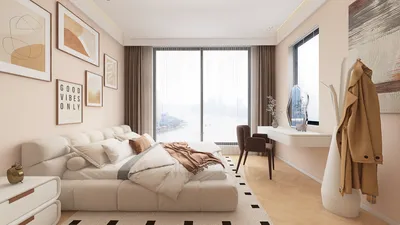


I once crammed a paint-splattered client into a tiny room, adamant that their enormous easel must stay—then I stumbled over my own palette. This near-accident taught me a valuable lesson: constrained spaces necessitate improved decision-making, not fewer options. To explore layouts in 3D prior to purchasing furniture, using tools like Homestyler can save you both time and plastering efforts.
1. Define distinct areas with foldable surfaces
I approach a compact studio as if it were a mini workshop: a specific wet zone, a dry table, and a corner for displaying or photographing artworks. Folding tables or wall-mounted workstations provide ample space when needed but can be tucked away when they’re not. The advantage is significant versatility; however, meticulous planning for plumbing and drainage is necessary if a sink is added.
save pin
2. Utilize vertical space: pegboards, rails, and magnetic walls
Artists tend to have numerous tools yet limited floor area. Transforming walls into storage with pegboards, slatwalls, or magnetic paint for brushes, canvases, and rolls of paper not only enhances visibility and accessibility but also boosts workflow. To avoid a cluttered appearance, I suggest using panels or a singular toned backdrop to maintain visual serenity.
save pin
3. Strategically light and reflect wisely
Natural daylight is a blessing in a compact studio; however, if your room doesn’t receive sufficient sunlight, task lighting becomes essential. Employ daylight-balanced LEDs with a layered lighting approach: ambient, task, and accent. Before altering fixtures, I advise clients to create a precise plan of window placements and light sources—small adjustments in lamp positioning can alleviate glare and brighten shadowy areas.
save pin
4. Invest in multifunctional furniture and mobile workspaces
A portable island that stores paints and transitions into a painting workstation optimizes utility. Convertible stools, nesting tables, and Murphy-style easels are invaluable. Although these options may have a higher initial cost, they significantly enhance the spacious feel of the studio. The trade-off is having to rearrange furniture occasionally during projects—while I sometimes miss the chaos of a stationary bench, my clients appreciate the calm atmosphere.
save pin
5. Organize your workflow like a compact kitchen
I often diagram an artist’s workflow—preparing, creating, cleaning, and storing—arranging elements in a sequential manner akin to a kitchen triangle. Consider the sink, storage, and work surface as interconnected stations. If you wish to organize tools effectively like a small kitchen, prioritize efficiency over symmetry by placing frequently used items near your dominant hand.
save pin
FAQ
Q1: What flooring is ideal for a small art studio?
Opt for surfaces that are easy to clean, such as sealed concrete, vinyl planks, or epoxy, as they withstand spills and wear. They are budget-friendly and low maintenance—just steer clear of untreated wood unless it’s adequately finished.
Q2: How can I ensure good natural light in a windowless room?
Implement full-spectrum LEDs and use reflectors: light-colored walls, a white ceiling, and strategically placed mirrors bounce light into darker corners, simulating daylight without generating heat or UV.
Q3: How much storage space should I realistically consider?
Organize by frequency of use: keep daily tools in visible storage and seasonal or backup supplies in closed cabinets. Start small—additional hidden storage can always be added later, such as under tables or above doors.
Q4: Is it feasible to establish a studio in a multifunctional room?
Absolutely. Use visual dividers like curtains, shelving backs, or rugs to delineate the studio area. Maintain a modular setup that can be easily tucked away when guests arrive.
Q5: What lighting levels are suitable for intricate artwork?
As per the Illuminating Engineering Society (IES) Lighting Handbook, task areas meant for detailed work should aim for approximately 300–500 lux to minimize eye strain and enhance color fidelity.
Q6: Any advice on ventilation and fumes in small studios?
Consider installing a window exhaust fan or a compact fume hood for solvent-based materials. If using aerosols or solvents regularly, invest in an air purifier effective against VOCs, ensuring adequate cross-ventilation.
Q7: How can I control costs during a small studio renovation?
Focus on durable surfaces and smart storage options; DIY shelving and secondhand cabinets can significantly reduce expenses. Often, I repurpose an old kitchen cart into a mobile supply station to lower costs while improving functionality.
Q8: Are software tools available for planning a small art studio?
Certainly—basic 2D drawings or cost-effective 3D models can assist in visualizing layout and lighting prior to purchase. Utilizing platforms like Homestyler allows for digital layout tests, helping you avoid expensive errors in your actual space.
save pin
Homestyler is your go-to online platform for home design. With its user-friendly design tools, stunning 3D renderings, and a wealth of DIY video tutorials, you can effortlessly create and visualize your dream spaces. Start transforming your home today with Homestyler!
今すぐ无料でデザイン
































